Los materiales de señalización determinan la durabilidad, apariencia, carga de instalación y coste. Entre los materiales de señalización estructural, el acero inoxidable le brinda una apariencia de metal de primera calidad y una fuerte resistencia a la corrosión dependiente de la ley. El aluminio le brinda el metal estructural más ligero y el más fácil de formar en letras grandes. El acrílico lleva la luz y el color en tus caras iluminadas. La placa de PVC expandida le brinda un panel ligero y económico. Haga coincidir el material con su entorno, tamaño, aspecto de marca y vida útil de destino. No hay una sola opción gana en cada proyecto.
Compare los materiales de señalización como con like. Los metales estructurales, las caras iluminadas y los paneles de paneles hacen diferentes trabajos. Clasificarlos en una escala oculta eso.
Grado supera el nombre del material. "Acero inoxidable" y "PVC" cubren varios productos con límites muy diferentes.
Pregunte por el código del producto. Luego pregunte por la hoja de datos, el estándar de prueba y la garantía detrás de cada reclamo.
Para quién es esto. Firmar empresas y equipos de marca especificando materiales. Los distribuidores e instaladores encontrarán las mismas preguntas útiles, aunque sus necesidades de documentación difieren.
Cuatro materiales de señalización de un vistazo
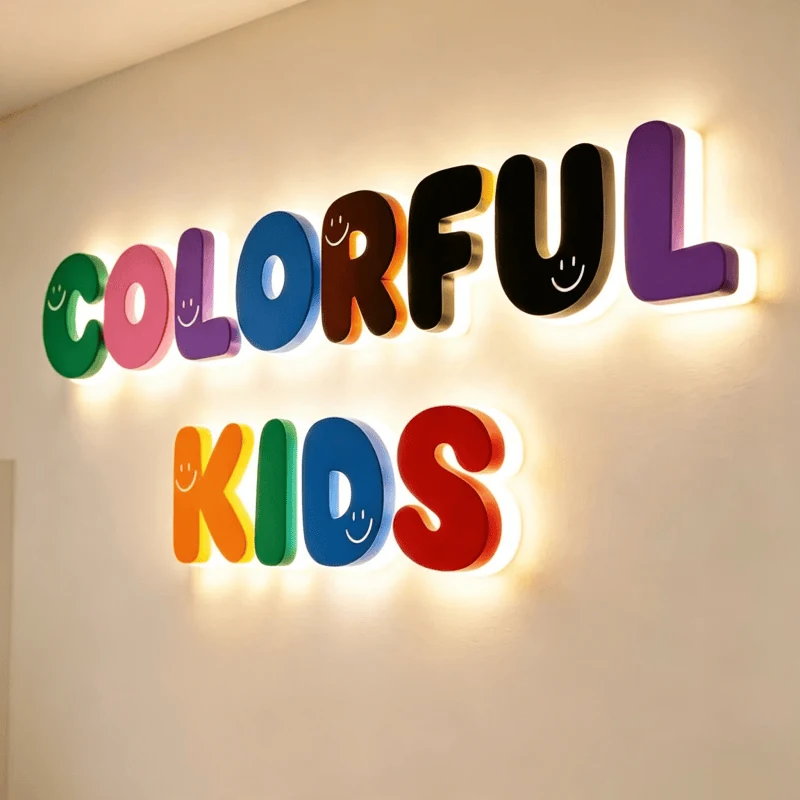
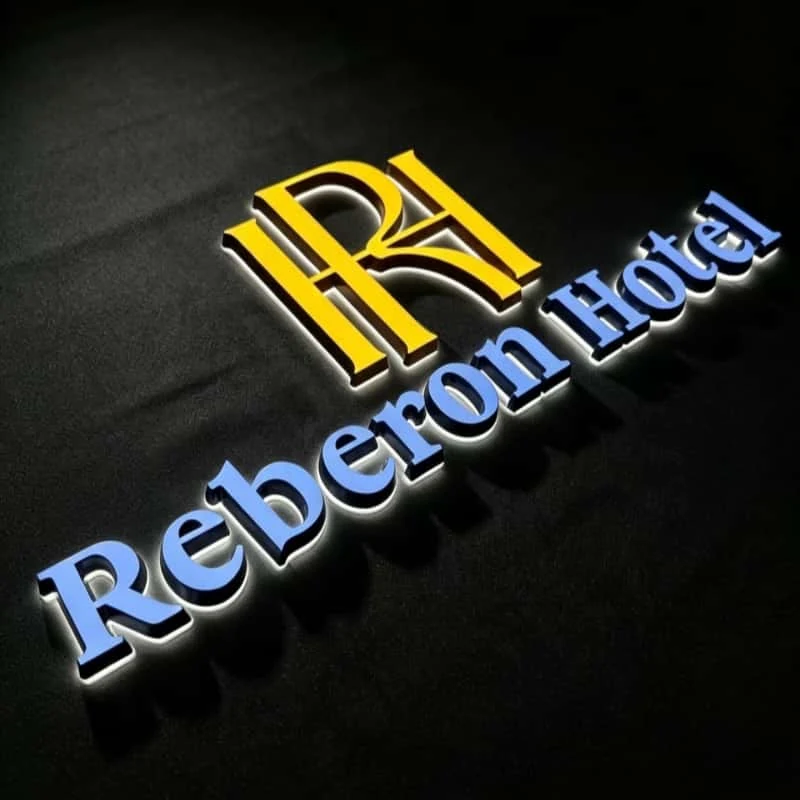
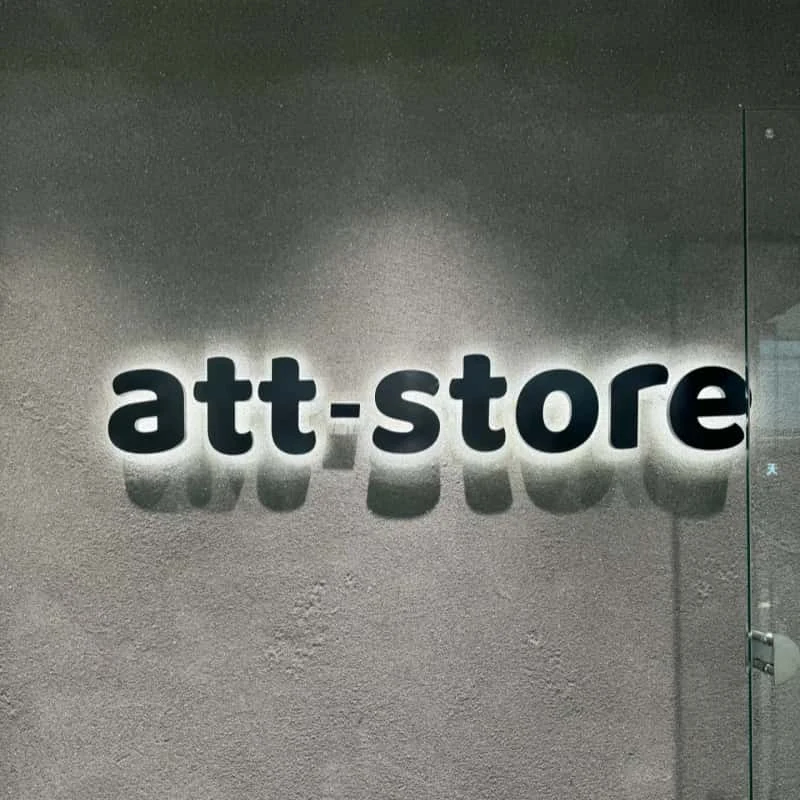
| tela | oficio | peso relativo | idoneidad al aire libre | Riesgo clave | costo relativo |
|---|---|---|---|---|---|
| acero inoxidable | Acabado estructural, premium | más pesado | Fuerte, dependiente de grado | Corrosión de grietas en soldaduras y sujetadores deficientes | de máxima expresión |
| aluminio | Letras estructurales, grandes | de luz | Bueno con un sistema de recubrimiento debidamente especificado | Calidad de pretratamiento y recubrimiento | moderado |
| acrílico | Cara iluminada, no estructura primaria | de luz | Depende del grado UV | Amarilamiento sin estabilización UV | moderado |
| Tablero de PVC expandido | Cara del panel, primero interior | el más ligero | Existen grados de calidad, exteriores | Límites UV, calor y espesor por producto | inferior |
Léalos como comparaciones relativas para el uso de señalización típica, no para clasificaciones absolutas. El rendimiento de la corrosión en particular depende de todo el sistema, por lo que un conjunto de aluminio recubierto correctamente especificado puede superar a uno de acero inoxidable mal detallado.
Entradas para preparar antes de seleccionar un material
Antes de seleccionar los materiales de señalización, recuerde que ningún proveedor puede darte una recomendación responsable de un archivo de logotipo solo. Prepare las dimensiones de su letrero y la profundidad de devolución, su categoría de exposición, cualquier requisito de diseño de viento local, su sustrato de montaje, si el letrero está iluminado, su vida útil objetivo, su acceso de mantenimiento después de la instalación, sus regulaciones de mercado de destino y su nivel de presupuesto. Llévalos a la primera conversación.
acero inoxidable

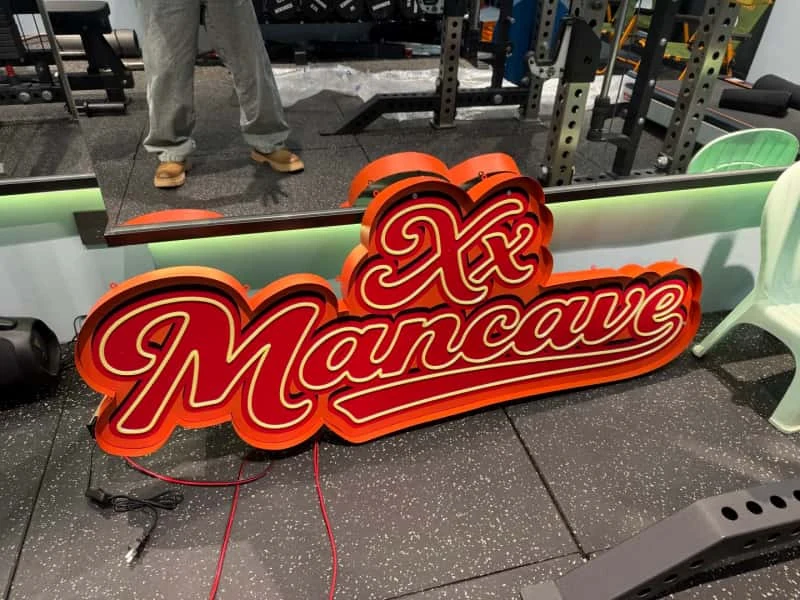
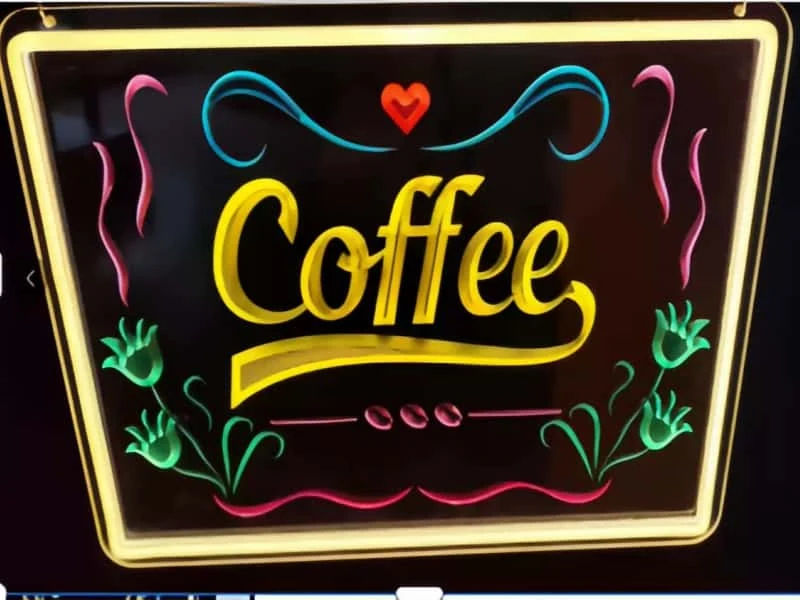
El acero inoxidable le brinda una apariencia de metal premium y una fuerte resistencia a la corrosión para el grado que especifique. Elija la calificación para su sitio y diseño en lugar de aplicar una regla fija. 304 y 316 son grados de señalización comunes. 316 generalmente resiste mejor a los cloruros. El rendimiento real también depende del acabado superficial, la compatibilidad de los sujetadores, la pasivación de soldadura, el diseño de drenaje y la frecuencia de limpieza. Mezcla de metales puede impulsar la corrosión galvánica. No acepte "316 para Coastal" sin esos factores.
Ajuste estándar: letras de tienda, señalización de vestíbulo, instalaciones de exterior de primera calidad.
Pregunte por: grado exacto, acabado, material de sujetador, tratamiento de pasivación y detalles de drenaje para su diseño.
aluminio
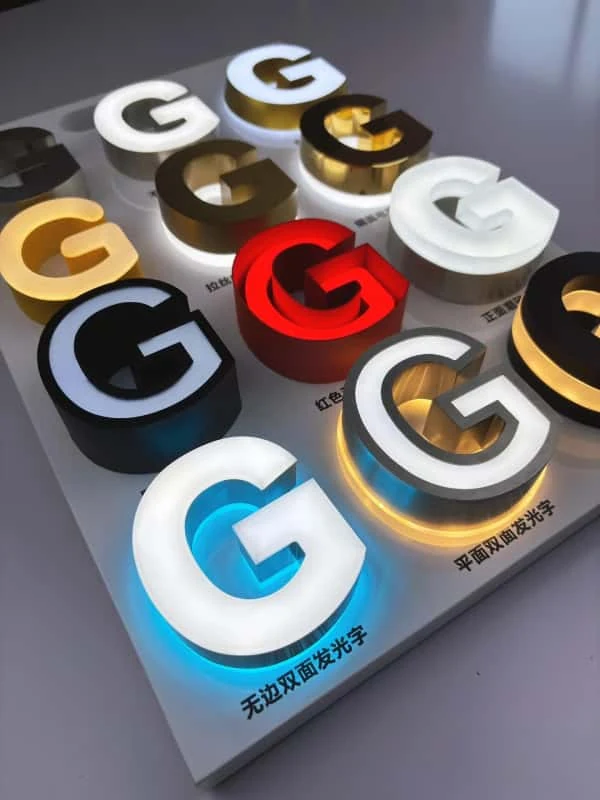
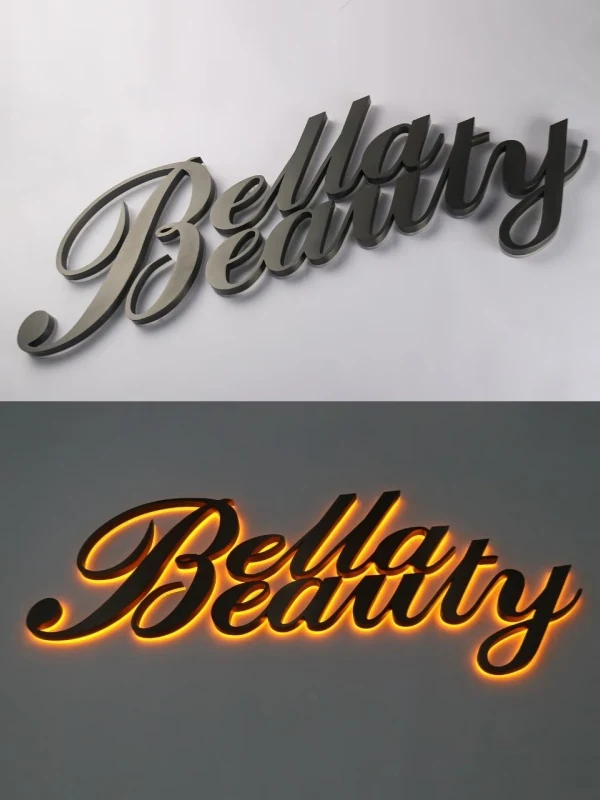
De los materiales de señalización estructural comparados aquí, el aluminio le brinda la opción de metal más liviana. Se forma más fácilmente en letras grandes y extrusiones. El recubrimiento en polvo es el acabado común al aire libre. El color de la aleación depende de la aleación y del temperamento, el pretratamiento de la superficie, el sistema de polvo, el grosor de la película objetivo y la calidad del aplicador. La frase "recubierto de polvo" no te dice nada de eso. No acepte una promesa de vida útil no calificada.
Ajuste estándar: grandes letras de canal, armarios de letreros, instalaciones sensibles a la carga de viento.
Pregunte por: Aleación, método de pretratamiento, sistema de polvo, espesor de película objetivo, tolerancia al color y el alcance de prueba o garantía detrás de cualquier reivindicación de recubrimiento.
acrílico
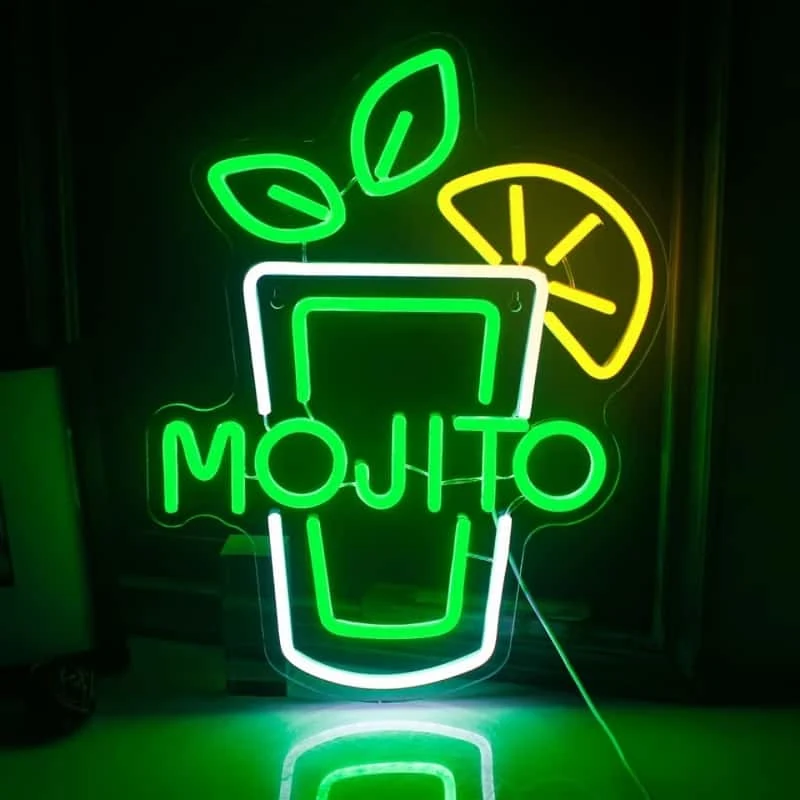
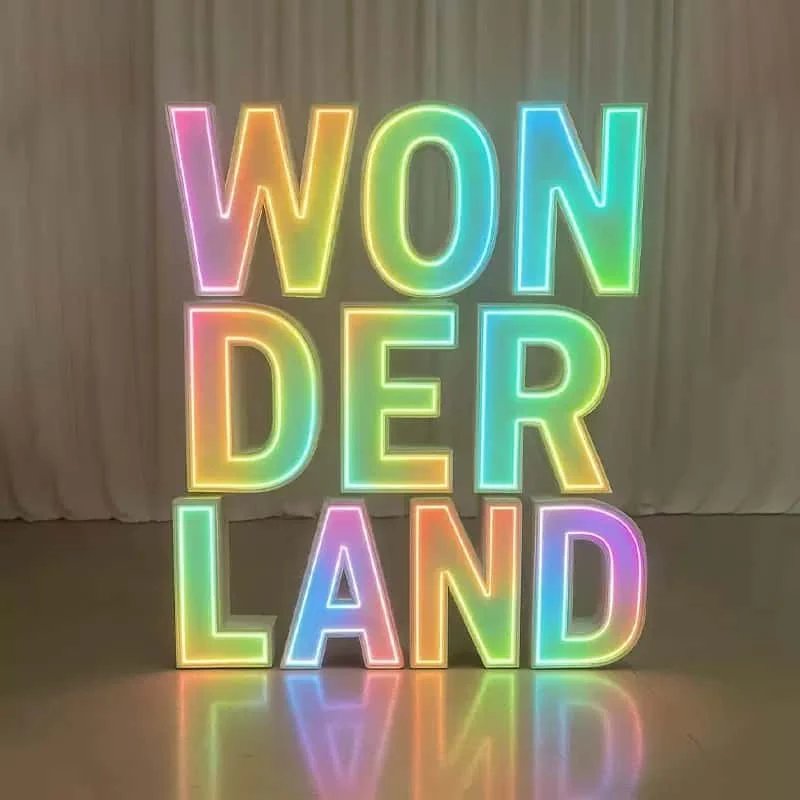
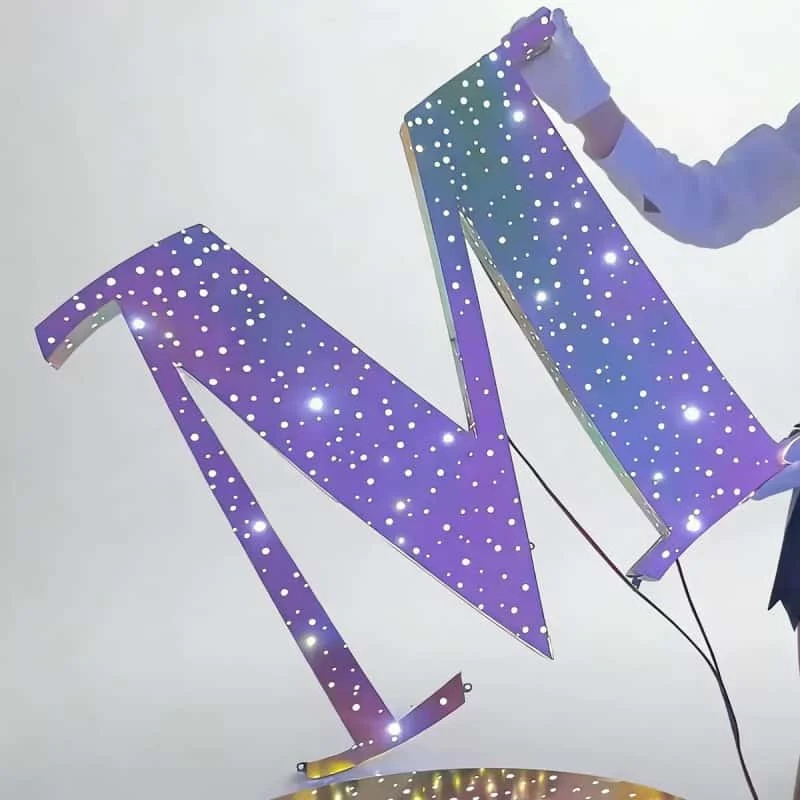
Para los materiales de señalización iluminados, el acrílico es el material de la cara que lleva la luz y el color. No lo trate como el elemento principal de carga en un conjunto de letras de canal. Los paneles planos pequeños son un caso diferente. Acrílico fundido y extruido se comporta de manera diferente en cuanto a formación y consistencia óptica, así que pregunte cuál está citando su proveedor. Ate la estabilidad UV, la transmisión de luz, la neblina y la consistencia del color al código de producto o grado del fabricante. Una descripción genérica "acrílica" no te dice nada. Un grado no estabilizado o de bajo grado puede amarillear o fragilizar al aire libre.
Ajuste estándar: caras de letras iluminadas, paneles de caja de luz.
Pregunte por: fundido o extruido, código de grado, transmisión nominal y color, garantía UV y exterior, tolerancia al grosor y una muestra aprobada bajo sus LED reales en lugar de una muestra bajo la luz del día. nuestro Guía de fuentes de luz para señales de acrílico que brillan intensamente Cubre cómo la elección de fuente cambia el resultado.
Tablero de PVC expandido
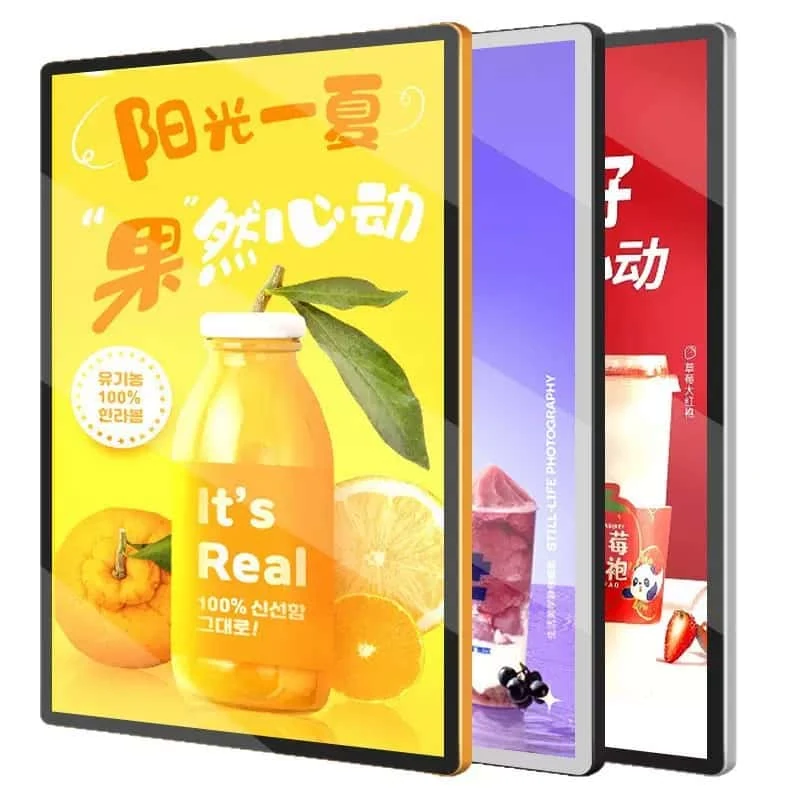
Los materiales de señalización de PVC varían según el formulario y el grado del producto. Las placas de PVC expandidas son ligeras y económicas, y algunos grados están específicamente aprobados para uso exterior o extendido. Los grados interiores estándar, las sábanas delgadas sin soporte y los materiales de pancarta flexibles tienen diferentes límites. Confirme el código de producto exacto, el grosor, la estabilización UV, el rango de temperatura, el soporte estructural, la clasificación del fuego y la garantía de uso exterior antes de especificar el PVC en exteriores.
El rendimiento del fuego no es una propiedad del polímero. Los métodos de prueba difieren según el país, el lugar y la aplicación, y una clasificación puede cambiar según el grosor, el color y el método de instalación. Solicite el código de producto exacto, el estándar de prueba, el grosor y la gama de colores cubiertos, el número de informe y si su jurisdicción de destino lo acepta.
Ajuste estándar: señalización interior, pantallas a corto plazo, proyectos sensibles al presupuesto y trabajos exteriores donde se aprueba la placa específica.
Pregunte por: El código de producto del fabricante y la hoja de datos técnicos, densidad, espesor, guía de uso exterior, clasificación de fuego con número de informe y rango de temperatura.
Una nota sobre el PVC flexible. Los materiales de pancarta y vinilo son gráficos impresos, no sustratos de paneles. No son comparables a la placa expandida en estructura, densidad, meteorización, clasificación de fuego o costo, así que manténgalos fuera de esta comparación y especifique por separado.
Estructuras combinadas y letreros iluminados
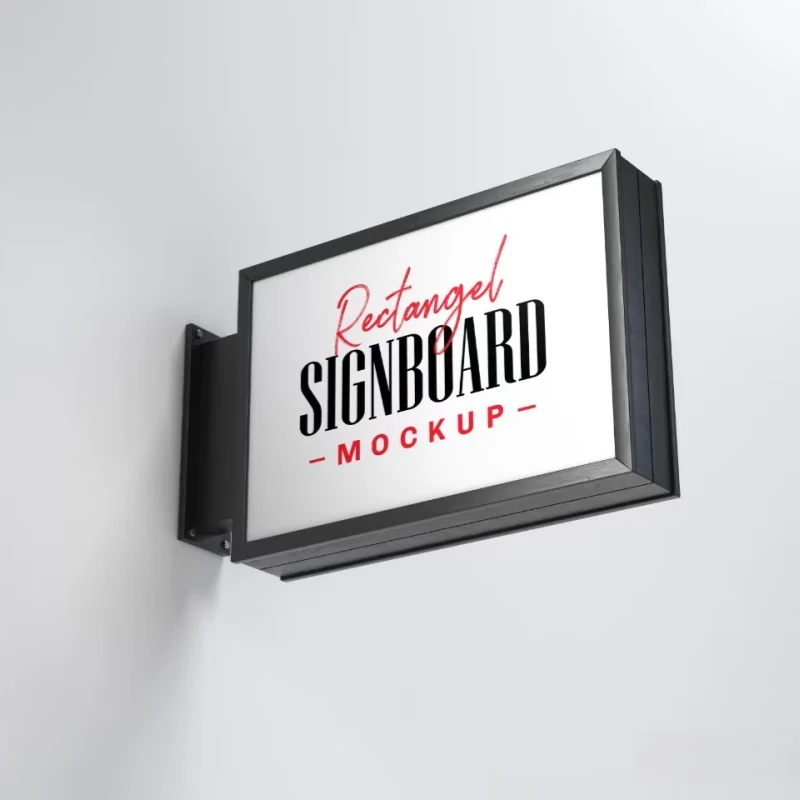
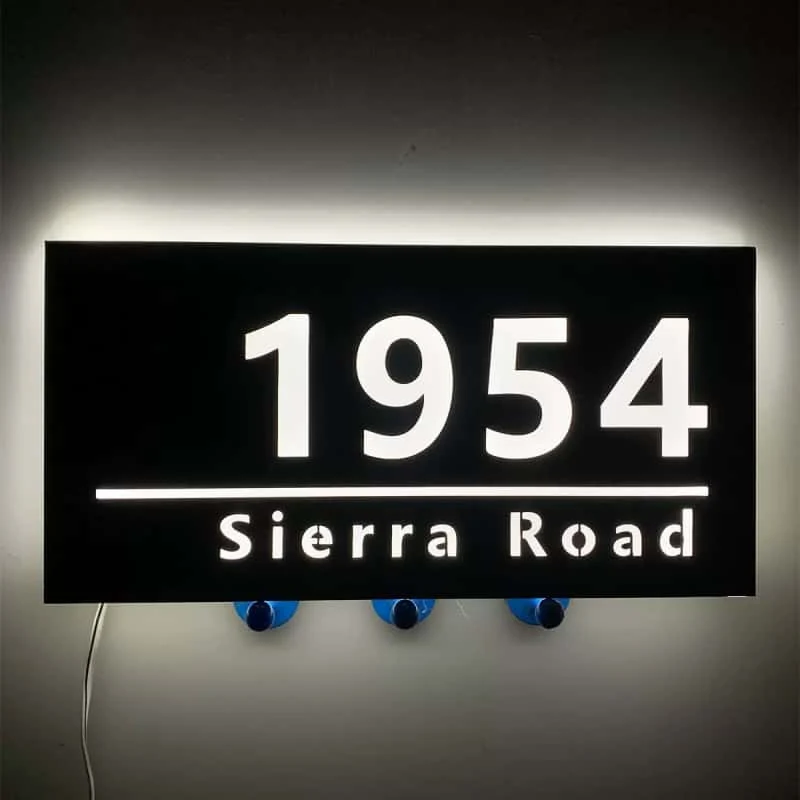
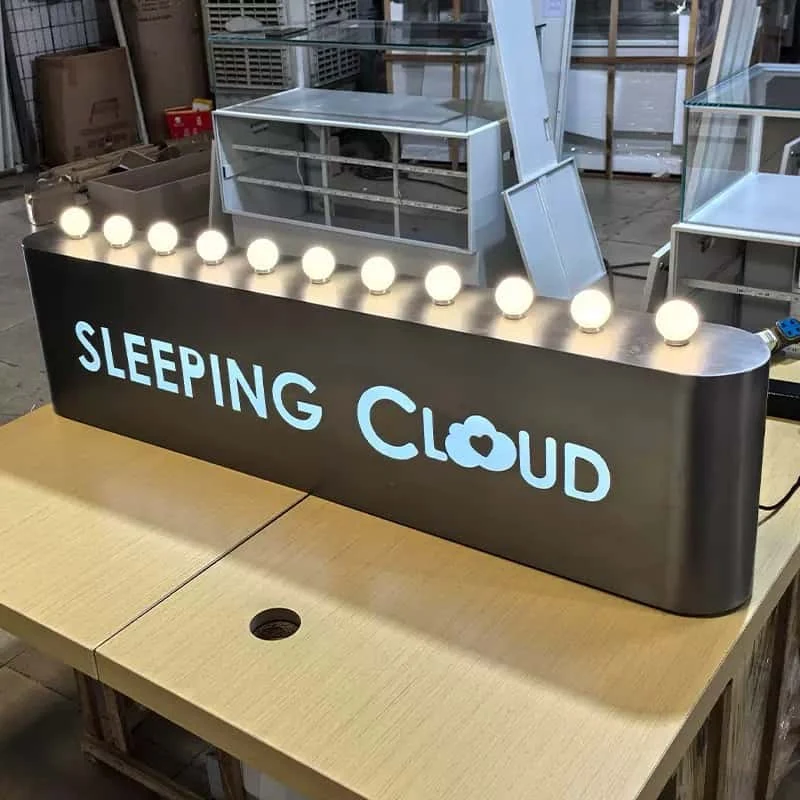
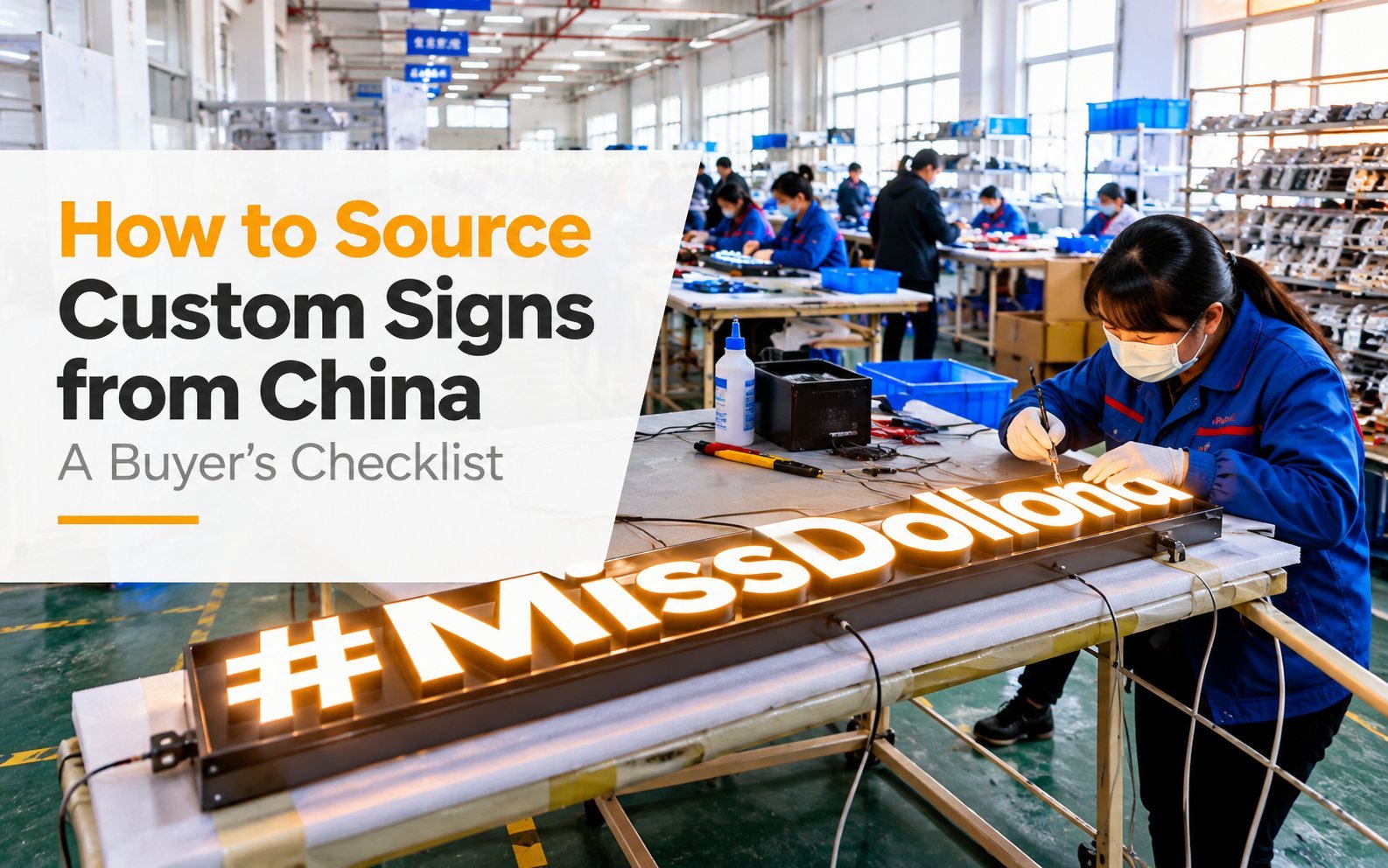
La mayoría de los proyectos combinan materiales de señalización. Las letras iluminadas suelen emparejar un retorno de metal con una cara acrílica. Fabricamos devoluciones de aluminio, paneles traseros y caras acrílicas en casa. Pregúntele a cualquier proveedor qué partes hacen en casa y cuáles obtienen. Pregunte cómo sellan la articulación metal-acrílica, porque esa articulación a menudo falla primero.
Para cualquier señal iluminada, también confirme los componentes LED y de suministro de energía clasificados para su voltaje, la ubicación del conductor y la gestión térmica, cómo se manejan las entradas de cable y el drenaje, la base de prueba detrás de cualquier reclamo de protección contra ingreso y acceso de servicio para el mantenimiento. nuestro Guía de selección de letras de canal y Guía de vida útil de la señalización cubrir ambos lados de esa decisión.
Costo total de los materiales de señalización, no solo precio de material
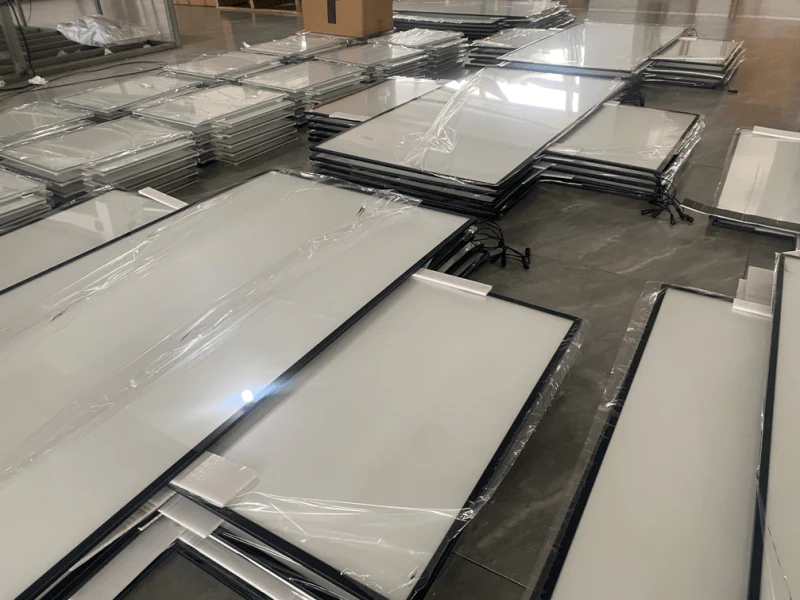
El precio del material es un artículo de línea. Los materiales más ligeros como el aluminio y el PVC expandido pueden reducir el costo de la carga y la instalación. El acero inoxidable más pesado agrega manejo y costo estructural. Los acabados premium como los revestimientos de acero inoxidable o complejos generalmente elevan tanto el precio de compra como el mantenimiento a largo plazo. Pese el precio del material contra fabricación, flete, instalación, mantenimiento y eventual reemplazo. nuestro Guía de costos de señalización Desglosa donde va el dinero.
Elegir materiales de señalización por escenario
| guión | Dirección del candidato | estar de acuerdo |
|---|---|---|
| Costero al aire libre | Aluminio inoxidable 316 o recubierto | Nivel de exposición de cloruro, grado, aleación, pretratamiento, sistema de recubrimiento, espesor de película, compatibilidad de sujetadores |
| Industrial al aire libre | Aluminio inoxidable o recubierto | Los contaminantes específicos en el sitio, además del sistema de acabado y de sujeción completo |
| Grandes letras al aire libre, clima estándar | Aluminio recubierto | Sistema de recubrimiento, espesor de película e intervalo de mantenimiento |
| Cara iluminada, cualquier ubicación | Acrílico, Marco de metal si es exterior | Grado y transmisión de estabilidad UV para uso en exteriores |
| Escaparate premium | acero inoxidable | Elección de acabado, ya que el espejo necesita más mantenimiento que cepillado |
| Pantalla interior o de corto plazo | Tablero de PVC expandido | Código de producto y clasificación de fuego aceptado por el lugar |
Cada fila es una dirección inicial, no una especificación terminada. Díganos su categoría de exposición, tamaño, estilo de marca, presupuesto y vida objetivo, y la reduciremos con usted.
Cumplimiento y aprobaciones locales
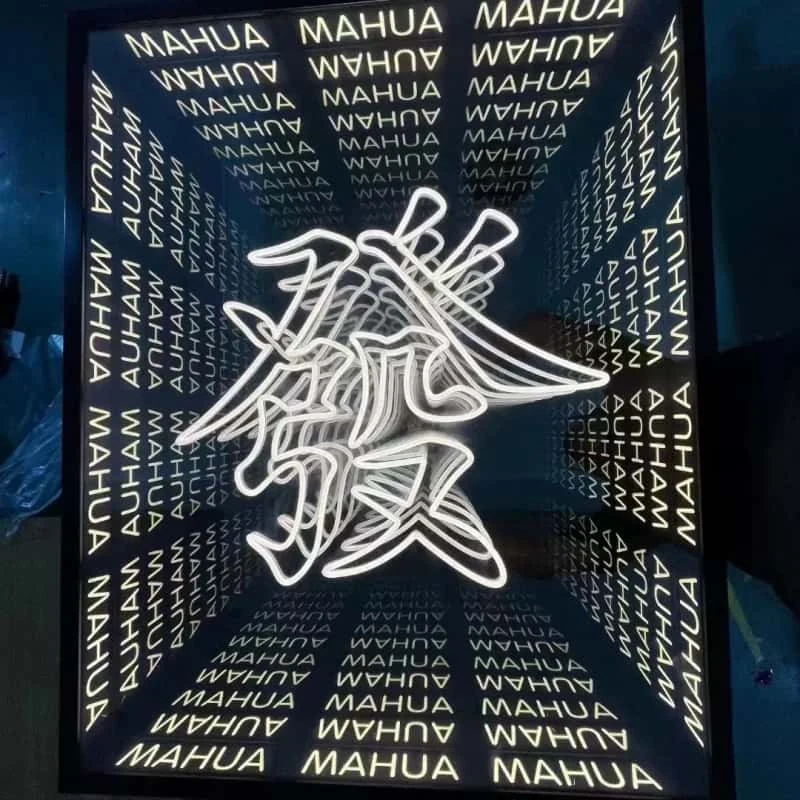
Documentamos lo que hacemos: material, acabado y, en su caso, pruebas de pruebas para los componentes que suministramos. Permisos de letreros locales, aprobación de diseño estructural y eólica o sísmica, listado e inspección eléctricos, código de incendio, reglas de accesibilidad y restricciones de propietarios permanecen con usted, su instalador o su autoridad local.
Los nombres de certificación no son intercambiables. Marcado CE no es un certificado emitido por una autoridad central de la UE. Cuando la legislación de la UE lo requiera, el fabricante completa la evaluación de la conformidad, prepara la documentación técnica, emite una declaración de conformidad de la UE y fija la marca. Pregunte qué legislación, normas y configuraciones cubre la declaración. UL distingue un producto terminado listado de un componente reconocido destinado a ser utilizado dentro de un producto final certificado, que conlleva condiciones de aceptabilidad. Pregunte cuál se aplica a lo que está ordenando. ISO 9001 certifica un sistema de gestión de calidad, no de cualquier signo individual. RoHS es el cumplimiento de la restricción de sustancias vinculado a su lista de materiales. SGS es un proveedor de pruebas e inspección, por lo que el nombre por sí solo no le dice nada sobre el alcance. Para cada reclamación, pregunte por el número de archivo o informe, el modelo y la configuración cubiertas, el estándar y la validez actual. Haga que un profesional de cumplimiento calificado confirme los requisitos para su mercado.
Cómo verificar nuestra fabricación y control de calidad
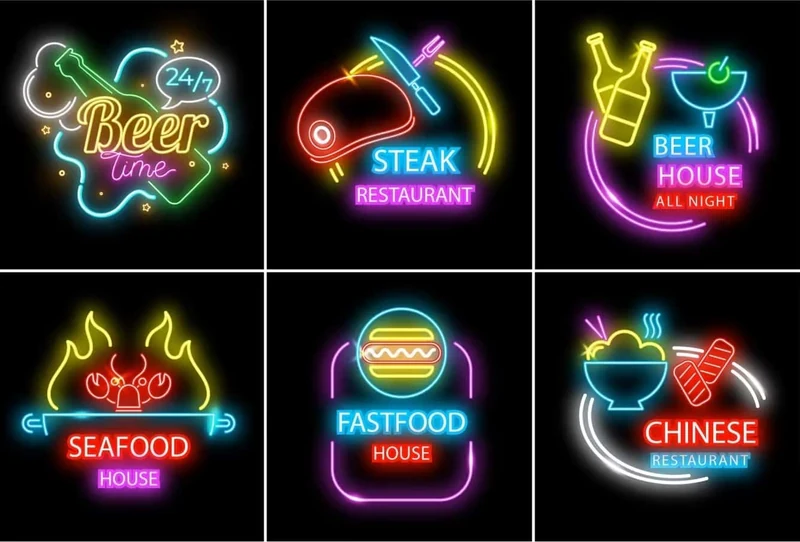
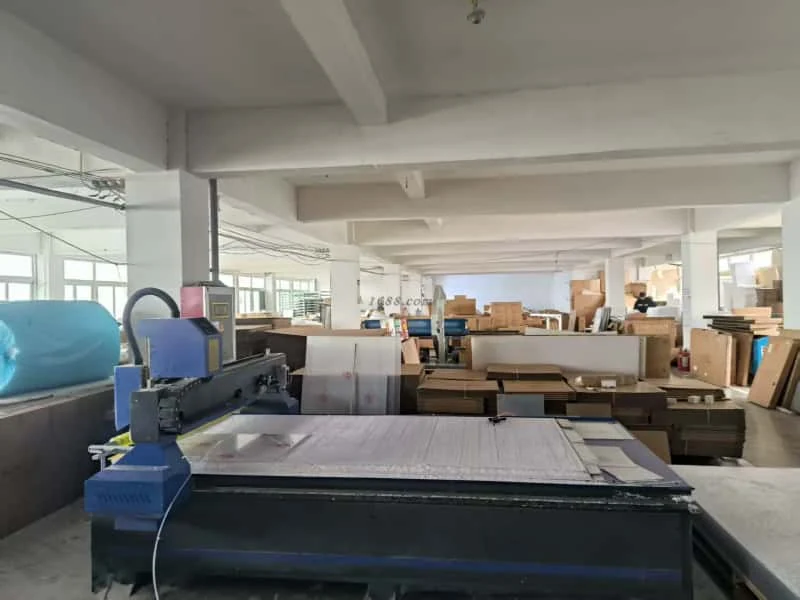
Hicen fabrica letras de canal, cajas de luz LED, letreros de neón LED y señalización de metal en Dongguan, China. Cortamos, doblamos, soldamos y terminamos retornos de aluminio, paneles traseros y caras acrílicas en nuestras propias líneas, en una instalación nuestro Perfil de la empresa Pon a más de 20.000 metros cuadrados con más de 100 máquinas de fabricación, revisadas el 6 de agosto de 2026.
El control de calidad ejecuta cinco etapas: inspección de materiales entrantes, patrullaje en proceso, muestreo semi-terminado, inspección de producto terminado y una revisión final antes del empaque. No publicamos una tolerancia de corte universal, ya que varía según el material, el grosor y la geometría de la pieza. Pregunte por la tolerancia al dibujo que rige su parte. Puedes revisar tanto el proceso de fabricación y control de calidad páginas y las opciones de acabado en nuestro Página de señales de metal.
Compara cada cotización en estos campos
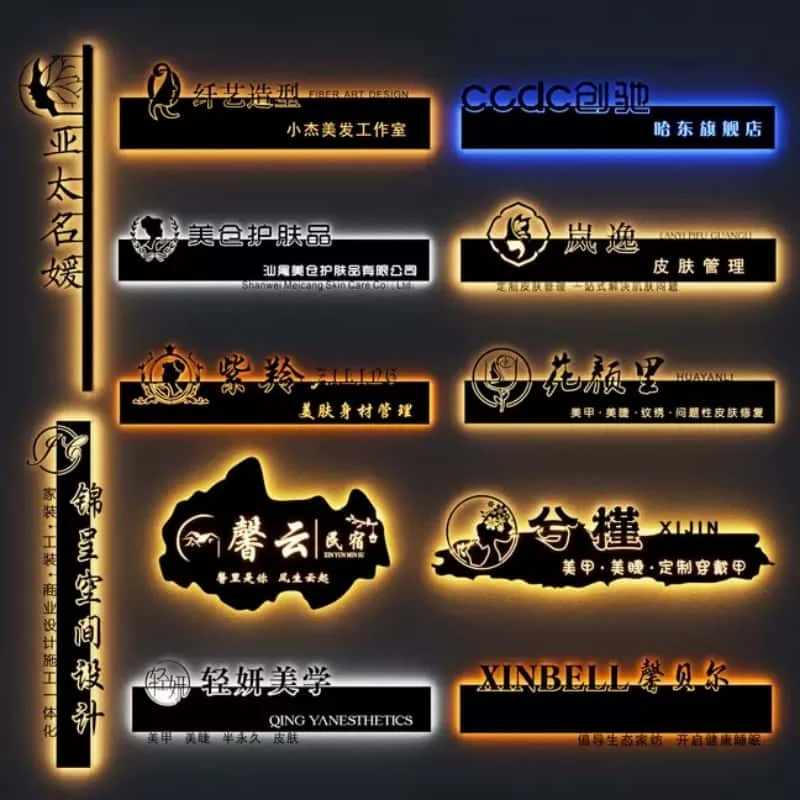
Utilice campos idénticos en cada cotización de proveedor:
Código y grado de material, más calibre o grosor
Sistema de acabado, incluyendo pretratamiento y espesor de película
LED y especificación de suministro de energía si se ilumina
Enfoque de protección contra ingreso y su base de prueba
Método de montaje y embalaje
Términos de garantía, Incoterm, plazo de entrega y lo que está explícitamente excluido
Un precio más bajo en una especificación diferente no es un precio más bajo.
Su lista de verificación de decisión de abastecimiento
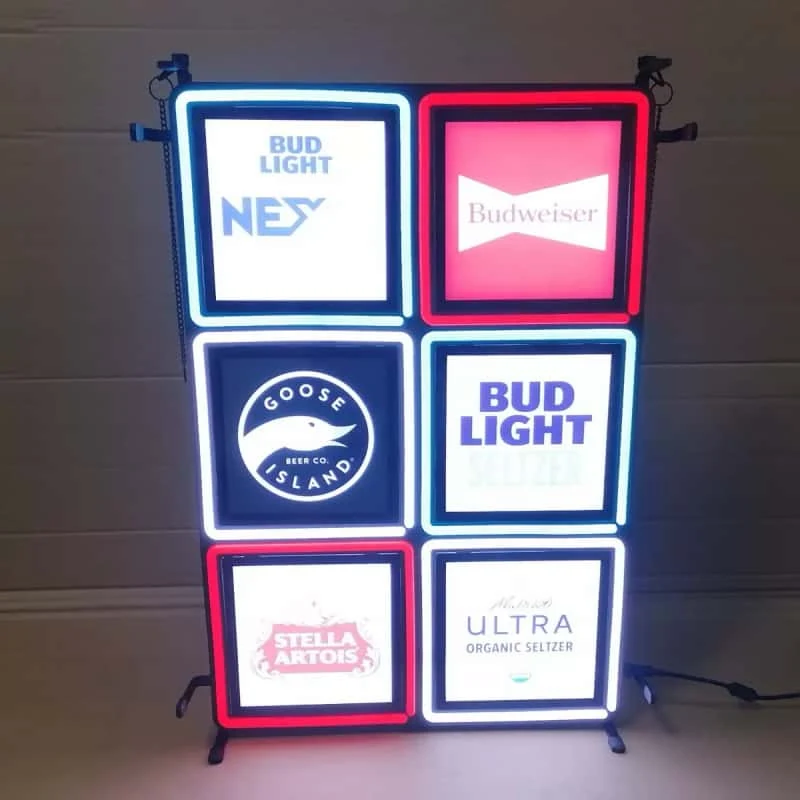
Aplicación: interior o exterior, clima, categoría de exposición, vida útil objetivo
Archivos de diseño: logotipo vectorial, colores, dimensiones, profundidad de retorno
Condiciones de instalación: material de pared, montaje, acceso, restricciones locales
Términos comerciales: cantidad, presupuesto, fecha de entrega, incoterm, destino
Condiciones de aceptación: renderizados, muestras, alcance de garantía
Sus logotipos, dibujos y fotos del sitio pueden llevar información sensible. Comparta sólo lo que requiere una cotización precisa.
Qué significa esto para su proyecto


Sopese su entorno y su vida como objetivo, los requisitos de acabado de su marca y su presupuesto juntos. No elija un material de forma aislada y no deje que un nombre de material represente una calificación.
Envíenos su renderizado o concepto con las entradas anteriores. Volveremos con una recomendación preliminar de material y fabricación, una propuesta de acabado, una cotización y una estimación del tiempo de entrega. Su instalador o ingeniero debe confirmar el diseño estructural final, la carga de viento y el cumplimiento del código local. Háblanos de tu proyecto, o busque ejemplos terminados en nuestro gama de productos.
Fuentes y fecha de revisión
Declaraciones de capacidad, proceso y calidad de la empresa en este artículo provienen de nuestros propios proceso de fabricación, control de calidad y Perfil de la empresa Páginas, revisada el 6 de agosto de 2026. El comportamiento material se describe en términos generales para el uso típico de señalización. Confirme las reclamaciones específicas de grado contra los datos técnicos del fabricante de la hoja y los estándares que se aplican en su mercado.
preguntas frecuentes
¿Qué debo confirmar primero sobre el acero inoxidable?
Compatibilidad de grado, acabado y sujetador. La resistencia a la corrosión depende de los tres juntos, más la calidad y el drenaje de la soldadura, no solo del número de grado.
¿El PVC expandido es adecuado para exteriores?
Depende del producto. Algunas placas de PVC expandidas están específicamente aprobadas para uso exterior o prolongado, mientras que las calidades interiores estándar no. Pregunte por el código del producto, la guía de uso exterior del fabricante, el grosor, la estabilización UV y el rango de temperatura en lugar de decidir a partir de la palabra PVC.
¿Qué debo enviar antes de solicitar una cotización?
Dimensiones, categoría de exposición, detalles de montaje, iluminación, vida útil y presupuesto, más sus archivos de diseño. Enviar todo lo que le ofrece una cotización coincidente en el primer pase en lugar de varias rondas de aclaración.