Custom building signs are made for exteriors, entrances and lobbies—channel letters, dimensional letters, illuminated logos, address plaques, directories and floor signs. Built to your size, finish, lighting and mounting.
- Direct OEM—your drawings go straight to production.
- Height, finish, lighting, mounting & power by location.
- Drawings, samples, inspection & export packing in one scope.
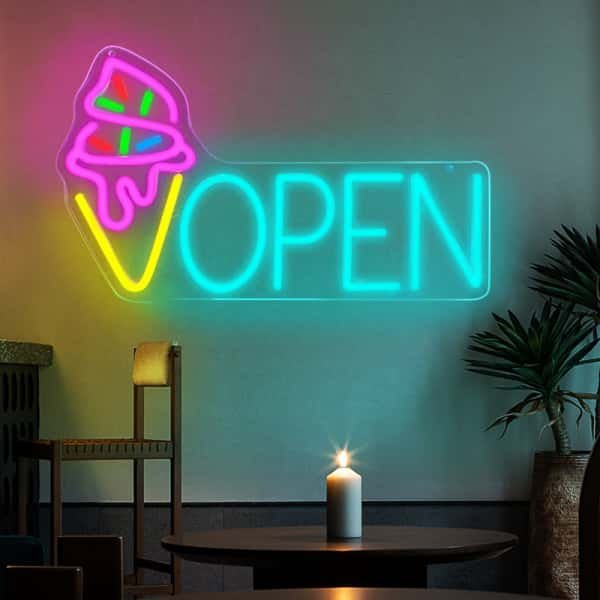
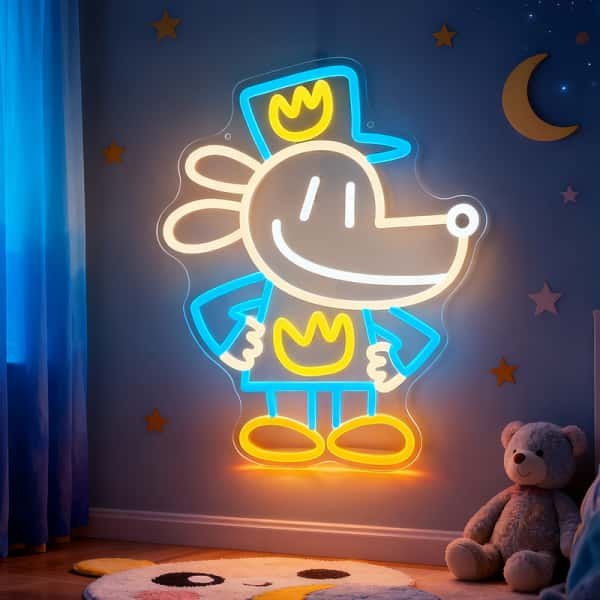
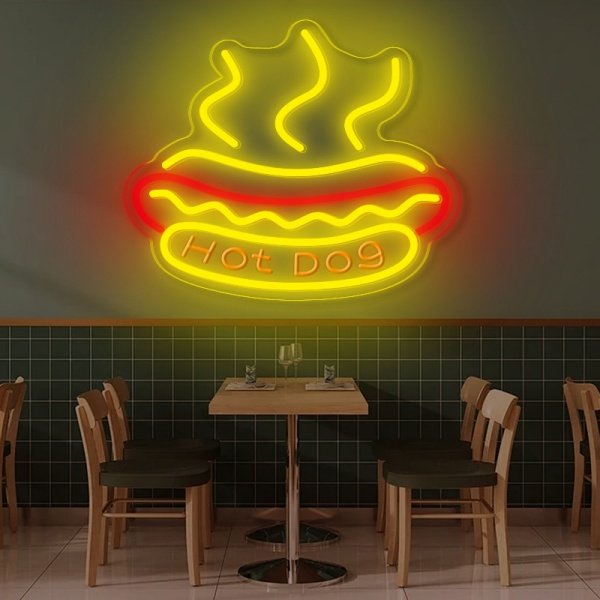
Are We the Right Shop for Your Building Sign Program?
Two questions decide whether we are the right fit for your building signs: what you need built, and what has to stay with your local team. Answering both before you ask for numbers keeps the quote comparable and every later decision traceable.
What fits our floor
- Facade letter sets, illuminated logos, address and identification signs
- Lobby, directory & floor IDs in one coordinated design family.
- Repeatable programs: one approved design, many addresses
- Shop drawings, finish samples, first-article approval and batch inspection
- Prototype quantities through full multi-site rollouts
What your team owns
- Landlord and municipality approvals, permits and variance filings
- Structural review of the wall, roof or ground footing
- Final mains wiring, conduit and connection by a licensed electrician
- Site measurement, lift equipment and installation
- Local code interpretation, including accessibility and egress text
| Product & specification | |
|---|---|
| What it covers | Building identification signs made to order — facades, entrances, lobbies, directories and floor-level identification |
| Typical products | Channel letters · dimensional letters · illuminated logos · light boxes · address plaques · lobby directories · floor and egress identification |
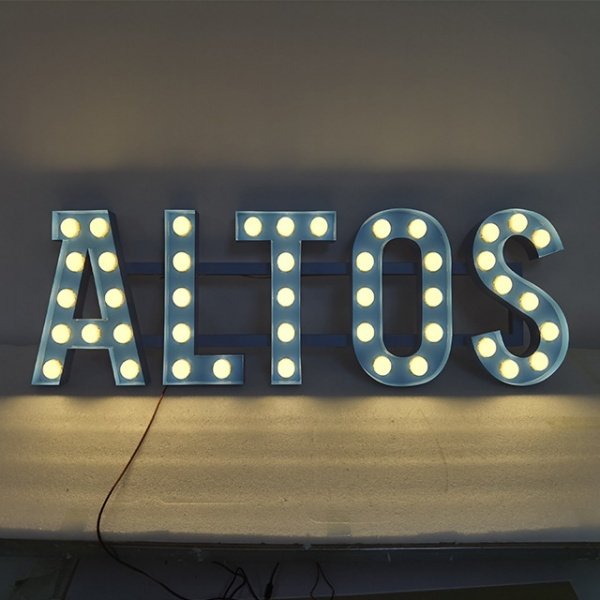
| Constructions | Face-lit · halo (backlit) · edge-lit · LED neon-style · marquee bulb · non-lit · printed light box |
| Common materials | Aluminum, stainless steel, brass and copper-clad returns, acrylic, PVC, aluminum composite panel |
| Finishes | Painted and powder-coated color · brushed or polished stainless · plated brass, copper or mirror gold · vinyl-wrapped · natural wood |
| Letter heights | Facade letters commonly 12–36 in; lobby and directory letters commonly 2–6 in; final size set against viewing distance |
| Faces & returns | Acrylic faces 3–10 mm depending on span; return depth chosen for LED clearance, standoff and wind load |
| Illumination | Face-lit, halo (backlit), edge-lit, marquee bulbs, or non-lit |
| LED & color | 12 V or 24 V LED modules, 3000 K / 4000 K / 6500 K, optional dimming or timers |
| Exterior rating | Exterior LED modules and power supplies specified to IP65 where the sign is exposed to weather |
What Counts as a Building Sign?
Six constructions cover most building signs work. Each one answers a different question: how far away it must read, whether it lights up, what the wall can carry, and how often the message changes.
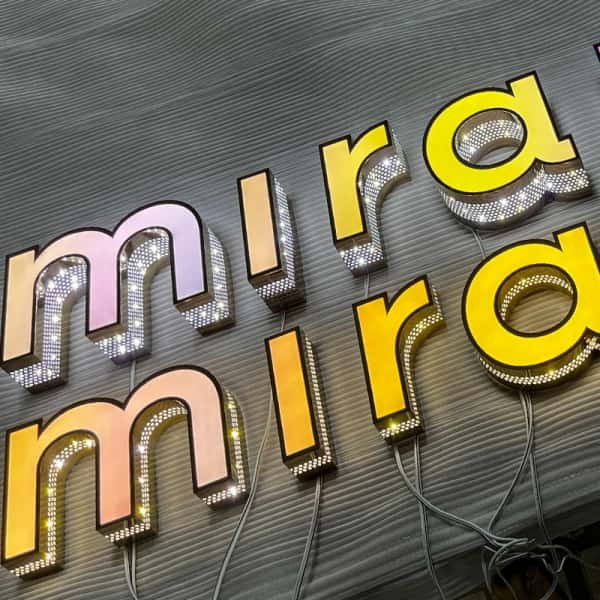
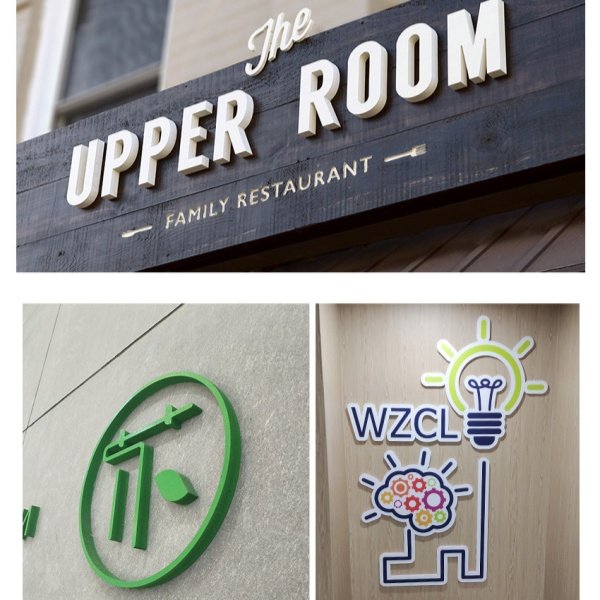
01 / FACE-LIT
Frontlit Channel Signs
Individual letters with an acrylic face and an aluminum return, lit from inside. Front-lit channel letters give the strongest daytime-to-nighttime consistency and read well at distance on a roadside facade.
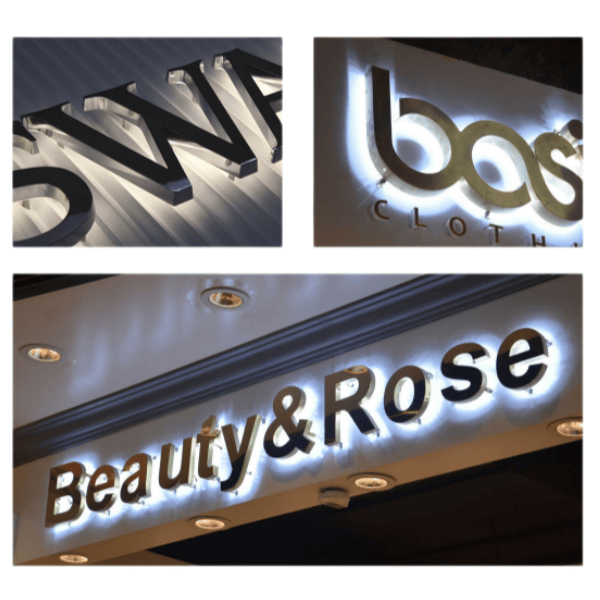
02 / NON-LIT
Dimensional Letters
Solid or fabricated letters with no light source. Dimensional letters suit lobbies, monuments and facades under architectural lighting, and cost less to maintain with no driver or wiring to service.
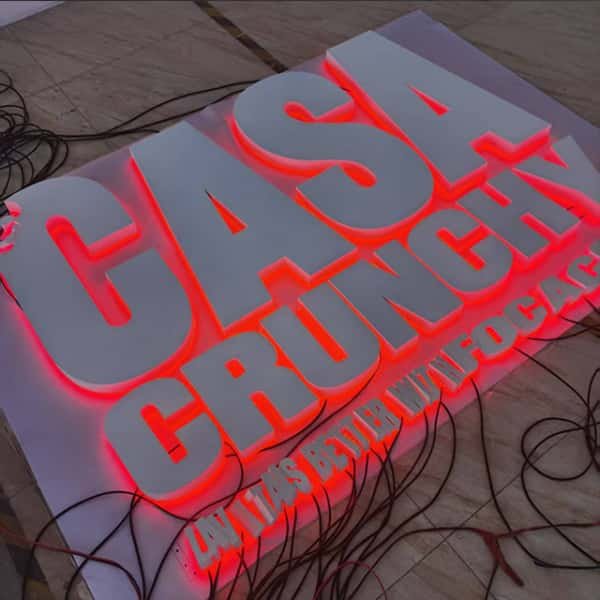
03 / HALO
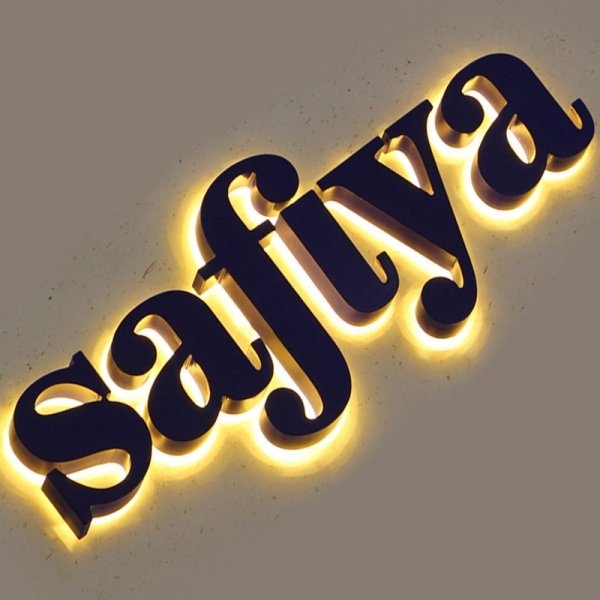
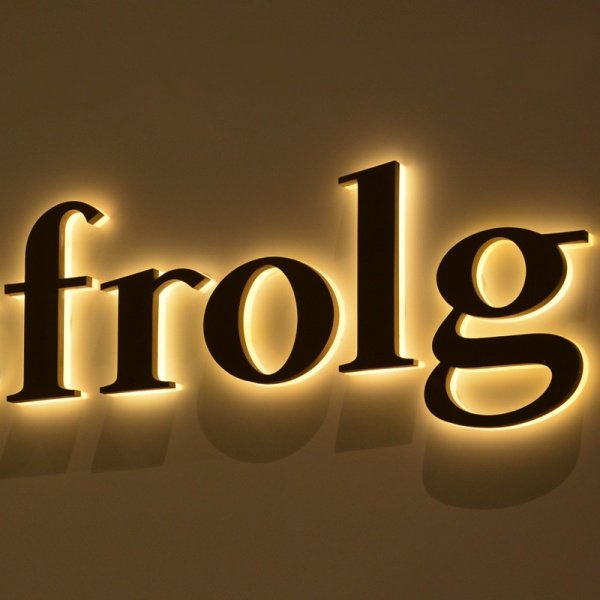
Backlit (Halo) Letters
Letters lit from behind so light washes onto the wall. Backlit letters read as a soft glowing outline at night and work best on a clean, light-colored mounting surface — a dark or textured wall absorbs the gentle halo effect.
04 / EDGE & NEON-LOOK
Edge-Lit and Neon-Style Signs
Slim acrylic or LED-neon construction used for logos, script lettering and interior feature walls. Neon-style LED signs reproduce continuous strokes and tight curves that channel letters cannot, at shallow mounting depths.
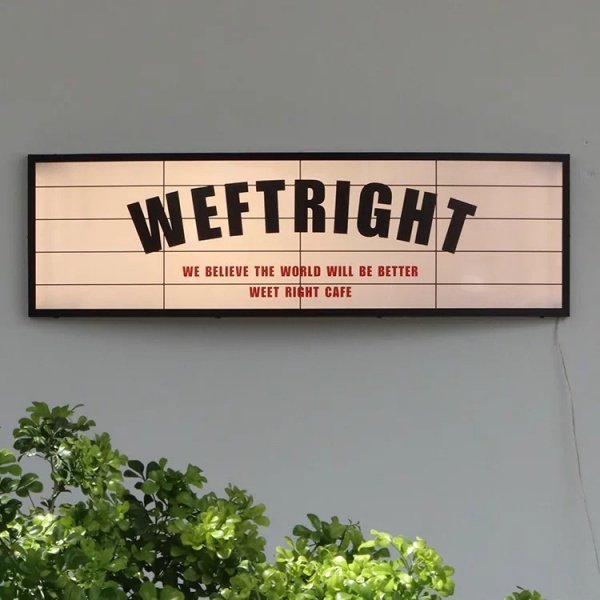
05 / LIGHT BOX
Illuminated Logos and Light Boxes
A single illuminated cabinet carrying a printed or fabricated face. Light boxes deliver the most even brightness across a logo and are the practical choice when artwork contains gradients or fine color transitions.
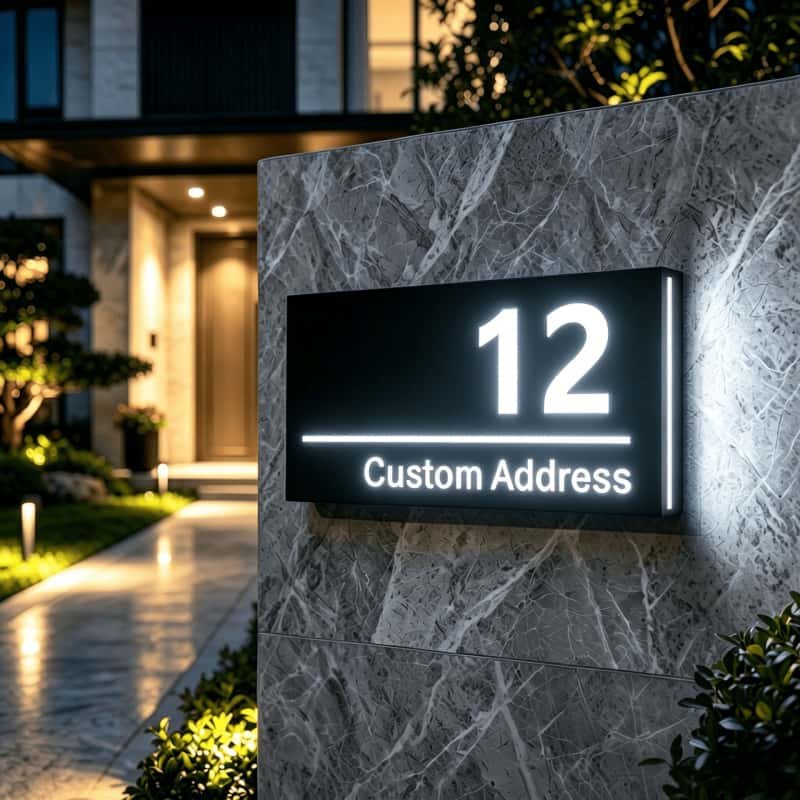
06 / IDENTIFICATION
Address, Directory and Floor Signs
Address plaques, tenant directories, floor numbers and stairwell identification complete the sign family. Planning them with the facade letters keeps typography, finish and mounting consistent property-wide.
Where Building Signs Get Installed
The same letter style behaves differently on a glass curtain wall, a brick storefront and a stuccoed apartment entrance. Building signs that read perfectly in a showroom can disappear on a sunlit facade, so these six environments drive most of the mounting, finish and service decisions. These six environments drive most of the mounting, finish and service decisions.
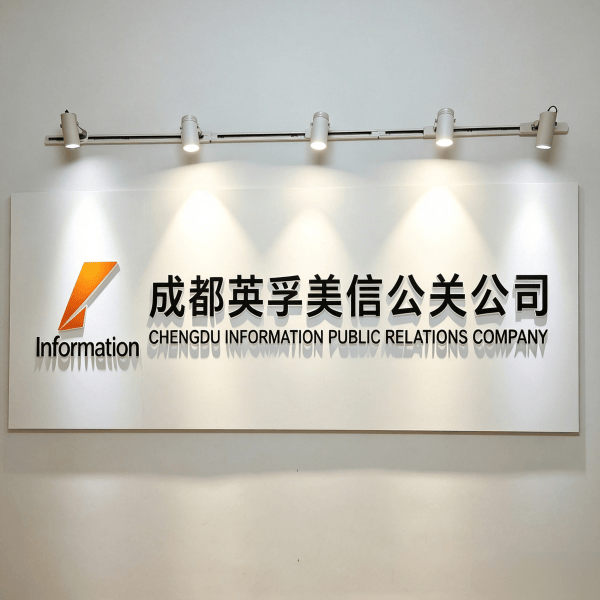
Offices and Corporate Buildings
Lobby logo letters, tenant IDs and elevator floor numbers match exterior letter sets. Office signs follow landlord rules & brand guidelines. Changeable tenant strips cut re-letting costs.
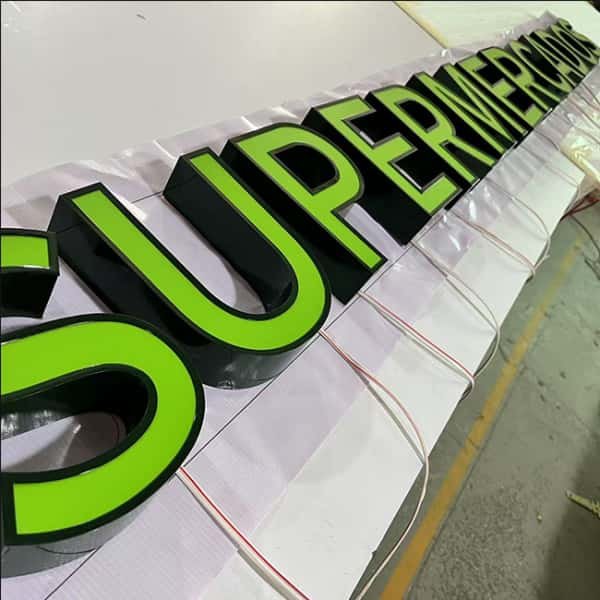
Retail and Shopping Centers
Storefront channel letters sized for approach speed, plus address and suite numbers. Center-wide programs usually need one approved drawing reused with location-specific text.
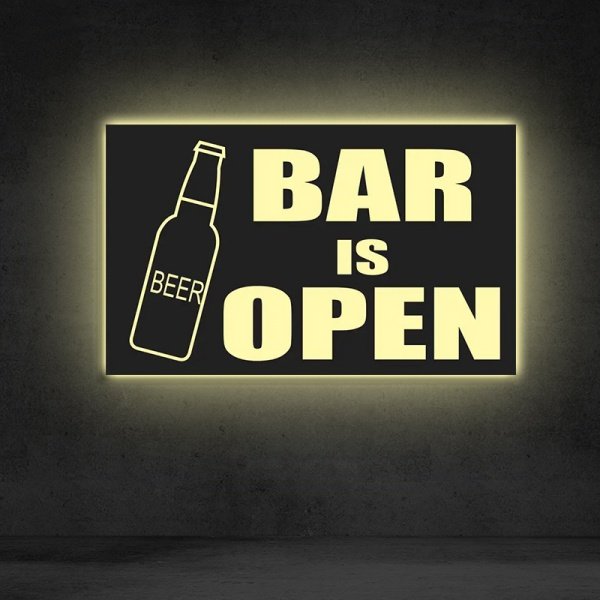
Restaurants, Bars and Cafés
Illuminated letters, blade signs and menu light boxes that stay readable after dark. Exterior pieces need weather-rated components and a service path to the driver.
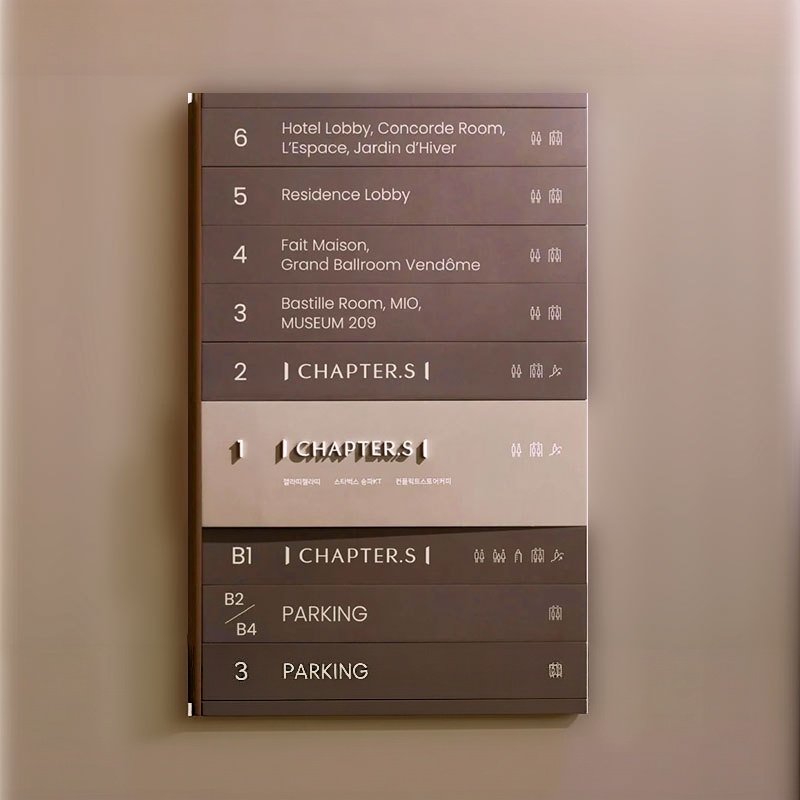
Hotels, Apartments and Mixed-Use
Entrance identity, address numbers, floor directories and amenity signs built as one family. Shared components keep long-term replacement simple.
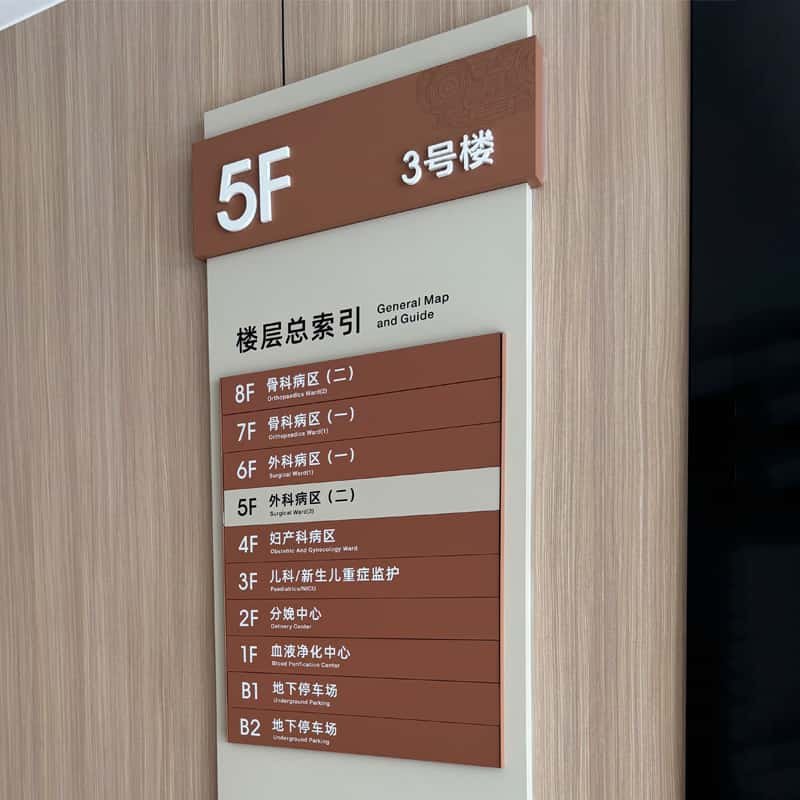
Healthcare and Education Campuses
Department identification, directories and floor numbers with cleanable surfaces and consistent naming. Plan message changes before locking the fabrication method.
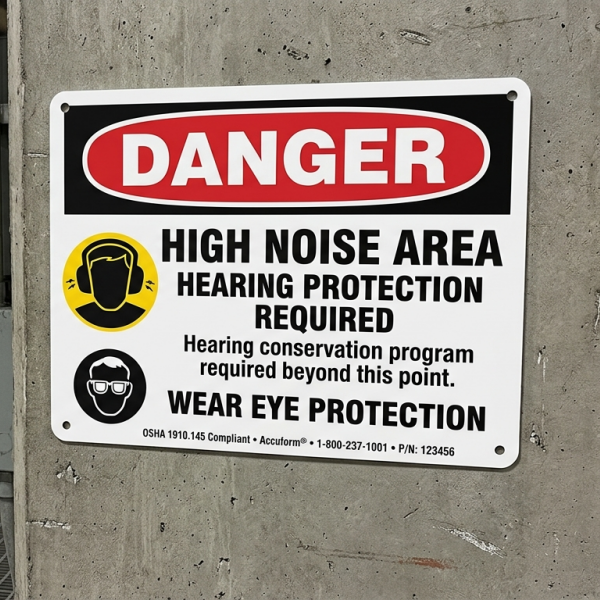
Industrial and Warehouse Facilities
Large-format building ID, bay numbers and address signs sized for viewing from vehicles. Industrial signs prioritize exposure over appearance, with fixings matched to site conditions.
How Do You Choose the Right Building Sign?
Four inputs settle almost every specification: viewing distance, whether the sign must work after dark, what the wall can carry, and what the landlord or municipality will approve.
START HERE
Measure the viewing distance
Letter height is planned for viewing distance and traffic speed. A full-size paper proof taped to the wall reliably checks if lettering reads clearly long before fabrication.matters, long before anything is fabricated.
THEN DECIDE
Decide whether it must light up
If the business operates after dark, or the facade sits in shadow, illumination is usually worth it. If architectural lighting already washes the wall, non-lit dimensional letters can read just as well with no wiring to maintain.
CHECK THE WALL
Confirm surface load capacity
Brick, EIFS, stucco, glass and metal panel each need a different fixing and sealing approach. Tell us the wall build-up and we will propose studs, a raceway or a backer panel that spreads the load.
GET SIGN-OFF
Align with the approval path
Landlord criteria, sign ordinances and historic-district rules often limit size, illumination and projection. Sending our drawings into that review early avoids a redesign after production starts.
Material system
Materials and Finishes We Fabricate
The material behind a building sign decides how it ages, how heavy it is and what the wall has to carry. Final alloy, gauge, finish and performance claims belong on the approved drawing. Samples should show the full material stack, not just a color chip.
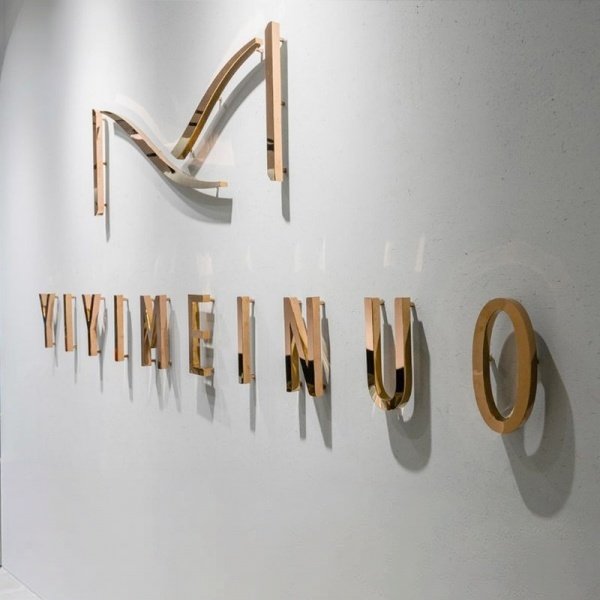
metal building signs
Metal letters in stainless steel, steel or copper-clad sheet, with brushed, polished, painted or plated finishes. Crisp edges and tight shadow lines suit entrances and logos. Confirm grade, thickness, welds and edge treatment on samples.

plastic building signs
PVC, polycarbonate and formed plastic letters, plaques and panels suit interiors and sheltered exteriors. Clean cuts, through-color and low cost fit custom shapes and volume orders. Confirm thickness, UV stability and graphics.
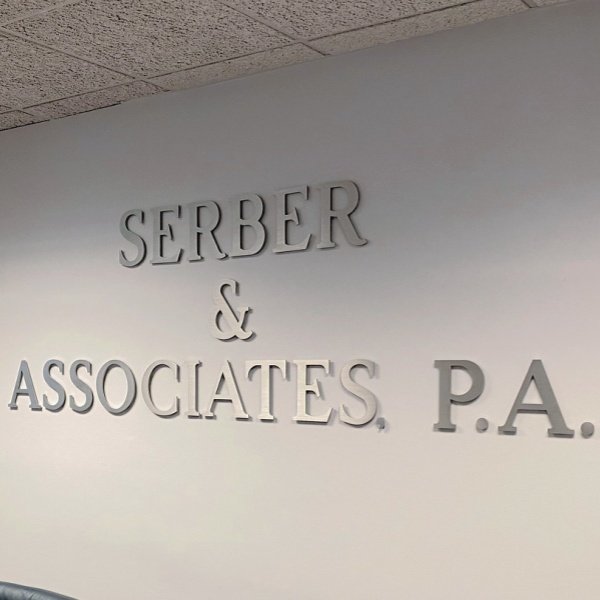
aluminum building signs
Aluminum suits exterior building signs—light, corrosion-resistant and easy to form. We make letters, returns, raceways, cabinets and backer panels with paint or powder coat. Confirm alloy, thickness, pretreatment and gloss.
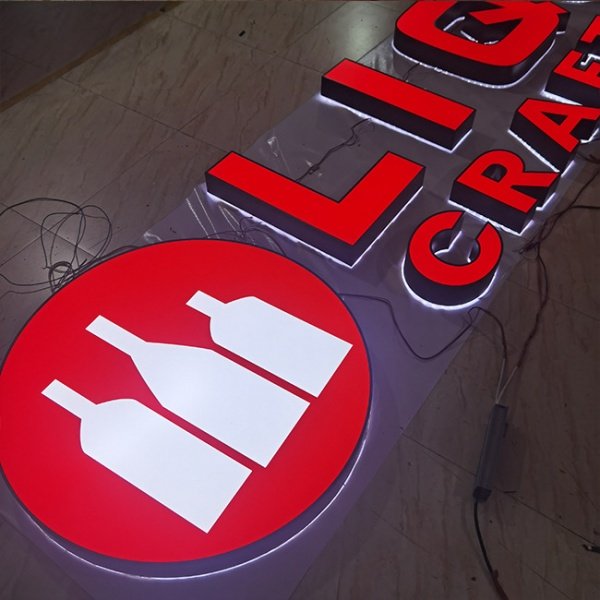
acrylic building signs
Clear, frosted, colored or opaque acrylic suits faces, edge-lit letters, logos and printed panels. It polishes well and diffuses LED light evenly. Confirm thickness—typically 3–10 mm—edge finish and lighting type.
How We Build Each Lighting Effect
The phrase lighted building signs covers very different constructions. We confirm the required effect first, then manufacture the face, returns, back tray, LED layout, cable path and service access as one tested assembly.
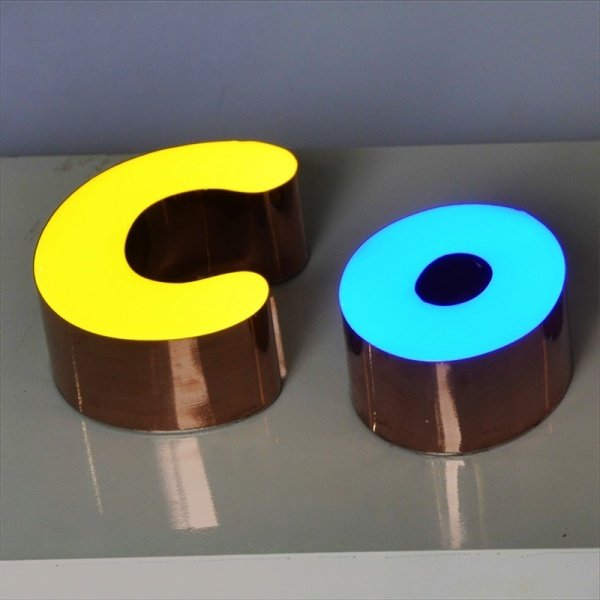
Face-Lit Letter Assembly
For light up building signs, we form the metal return, fit a light-diffusing acrylic face and arrange LEDs for consistent front illumination without visible hotspots.

Halo-Lit LED Assembly
We build LED building signs with metal faces, internal LEDs, translucent backs and controlled standoffs. For each sign, return depth and wall surface influence the halo.
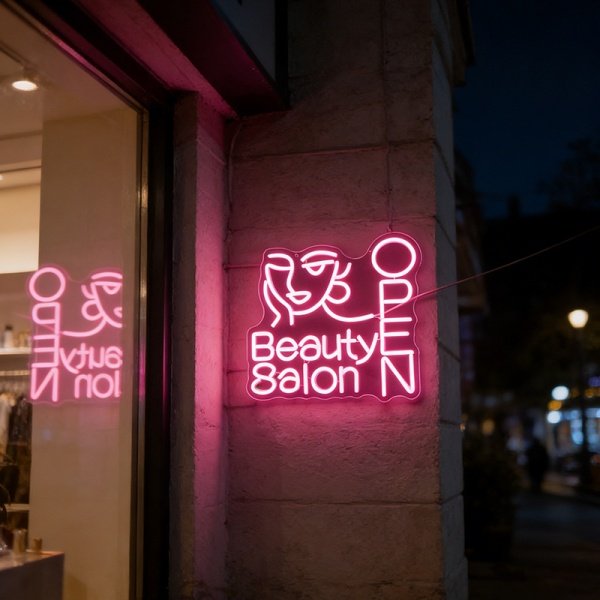
Flexible Neon Fabrication
We form building neon signs and LED neon building signs to the approved paths, then prepare the backing, cable exits and power connections as a complete assembly.
Customization Options
Every building sign is built around your brand and environment. Choose from a range of lighting, packaging, edge color, and metal finish options to match your exact specifications.
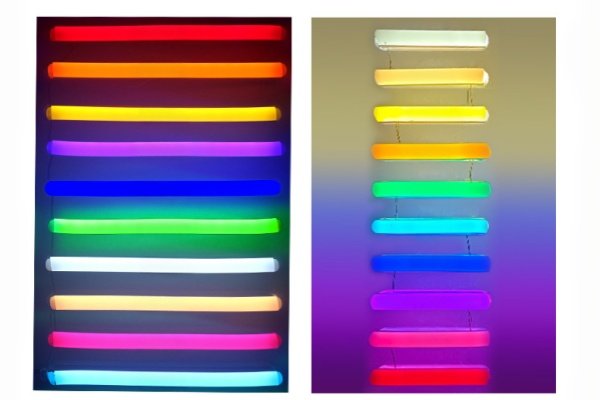
Lighting Options
Pick from a full spectrum of LED neon tube colors to create front-lit, back-lit, or halo-lit effects for maximum visibility day and night.
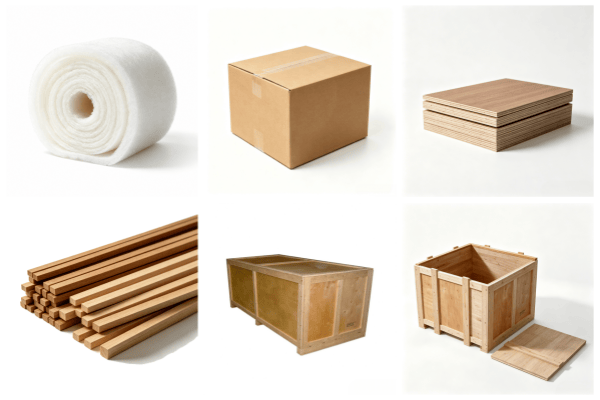
Packaging Option
Select protective foam wraps, reinforced cartons, or heavy-duty wooden crates to ensure your signs arrive undamaged on any job site.
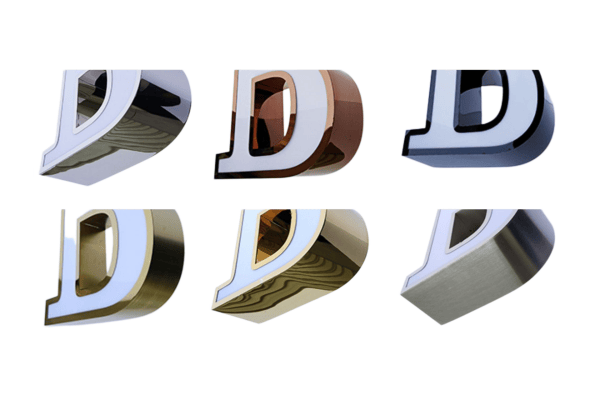
Metal Finish Color
Choose from brushed, polished, matte black, gold, rose gold, or chrome finishes to match your architectural style.
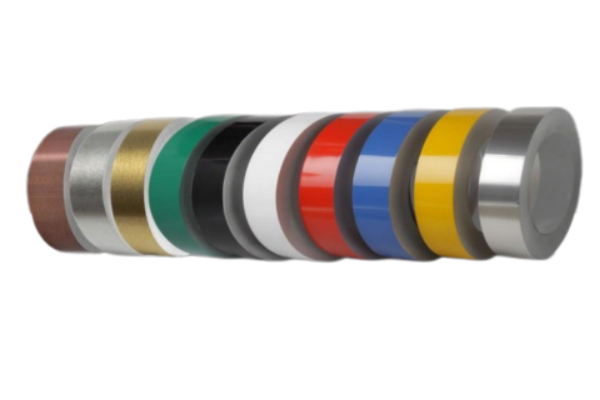
Alu Edge Color
Customize the side trim and aluminum edges with durable colored vinyl films in gloss, matte, or metallic shades.
Compare with context
Channel Letters vs Dimensional Letters vs Light Box: What's the Difference?
Explore Hicen’s Product Gallery to see building signs delivered for retail, hotels and commercial spaces. From dimensional letters and illuminated logos to signage systems, each project is tailored in material, finish, lighting and mounting to meet brand and site requirements.
| Construction | Appearance | Service & update | Installation | Relative cost |
|---|---|---|---|---|
| Non-lit dimensional letters | Crisp shadow line, material-driven | No electrical parts to service | Studs or adhesive, paper template | ●●○○○ |
| Face-lit channel letters | Bright faces, strong day and night read | Replaceable LED modules and faces | Power feed plus wall penetrations | ●●●○○ |
| Backlit (halo) letters | Soft outline glow on the wall | Drivers accessed through the letter | Standoff fixings, careful wall sealing | ●●●○○ |
| Edge-lit / neon-style | Continuous strokes, tight curves | Module replacement on segments | Shallow depth, interior or sheltered use | ●●●○○ |
| Illuminated light box | Even brightness across full artwork | Hinged or removable face panels | Heavier; needs structure and service access | ●●●●○ |
Manufacturing evidence
Custom Building Sign Manufacturing in Our Workshop
Approved drawings move through defined fabrication and inspection stages. We control materials, dimensions, surface finish, illumination, accessories and part labels against the released revision before packing.
Metal cutting, forming and welding
We cut faces, returns, backs and frames to the specified material and thickness, then form and join each component to the approved depth and structure.
Acrylic, graphics and surface finishing
We prepare acrylic faces, printed graphics and visible metal surfaces before painting, brushing, polishing or plating to the approved reference.
LED installation and assembly
We assemble LEDs, wiring, backs, faces and serviceable electrical components, then check light distribution and the specified day-and-night appearance.
Inspection, labeling and export packing
We inspect dimensions, finish, messages, illumination and accessories, then protect and label every sign, template and hardware set for delivery.
What Should Your Custom Building Signs Specification Include?
A complete brief removes guesswork from the quote. Nine items cover almost everything we need before we can put numbers against a drawing.
Drawings and artwork
- Elevation or site photo showing where the sign lands
- Vector logo file, with fonts outlined or named
- Overall width and height, plus preferred letter height
- Wall build-up: brick, EIFS, stucco, glass, metal panel
Production and logistics
- Finish references and any brand color standard
- Illumination choice, color temperature and power location
- Quantity per location, and number of locations
- Destination city, target date and packing preference
- Whether a sample or first article is required
What we do not decide for you
We build to the approved specification. Local code interpretation, permits, structural calculations for the host wall, and the final mains connection stay with your licensed local professionals — saying so up front is how a project avoids expensive surprises during inspection.
Everything else about your custom building signs stays in our scope: the drawing, the finish reference, the wiring plan, the inspection records and the packing list.
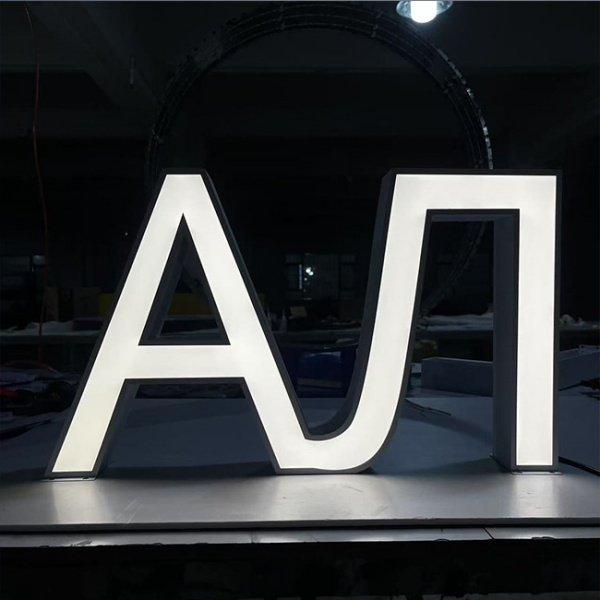
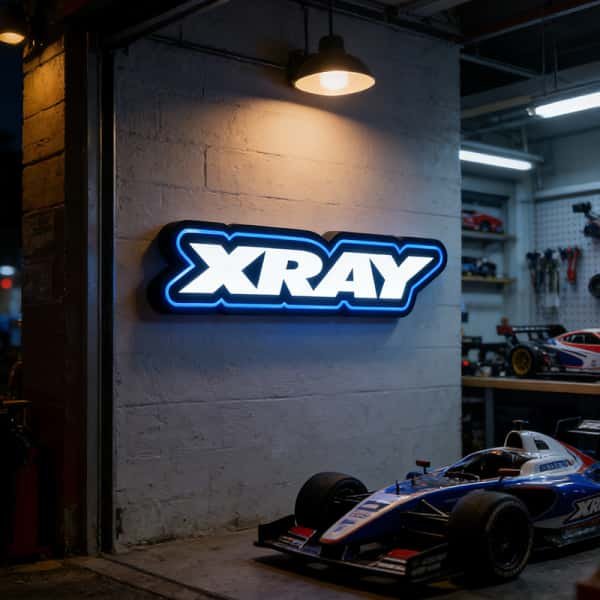
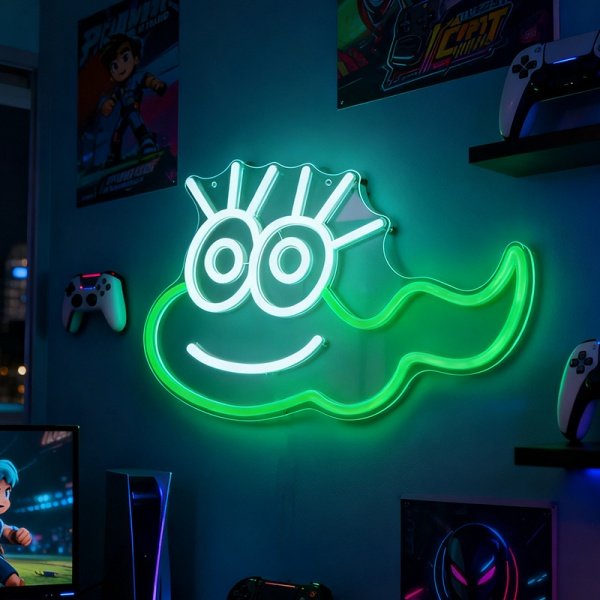
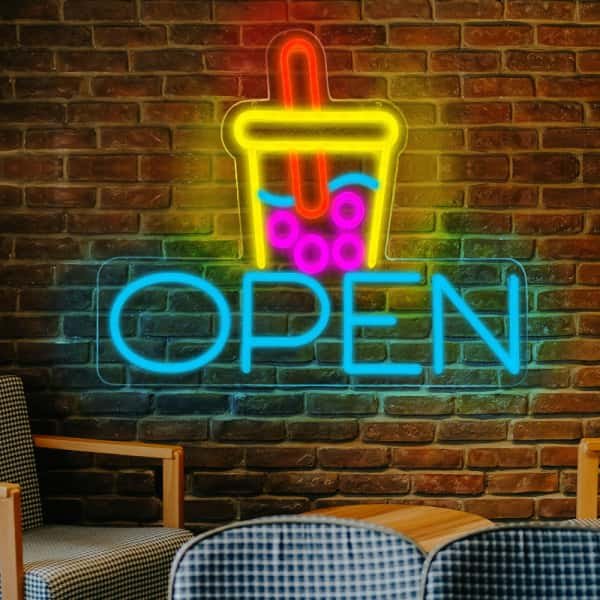
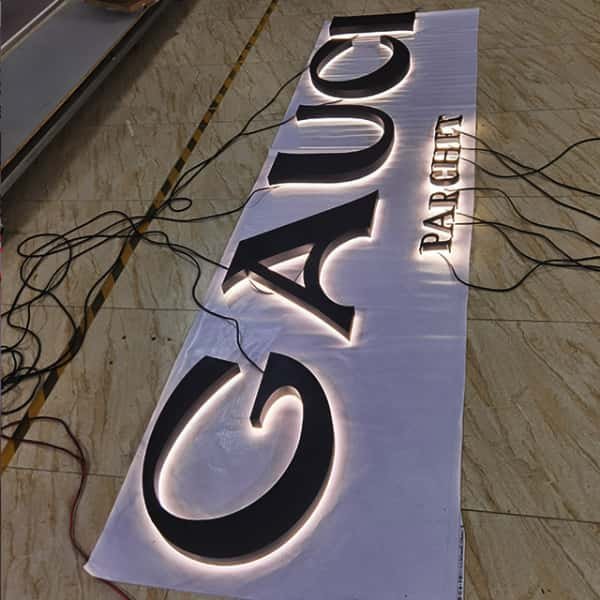
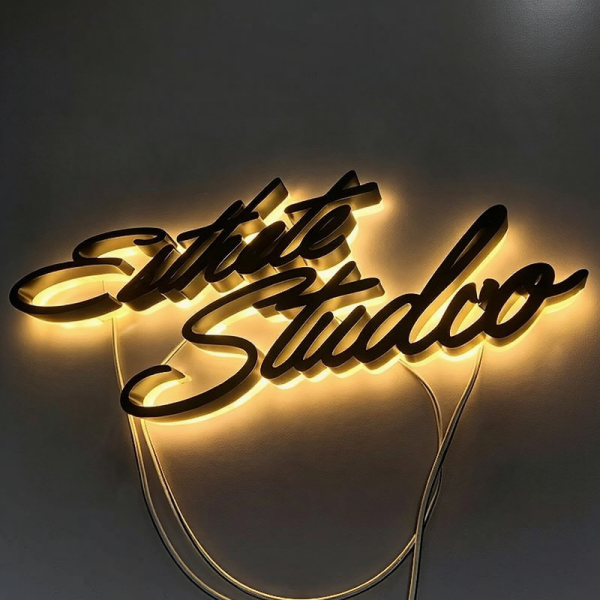
Product Gallery
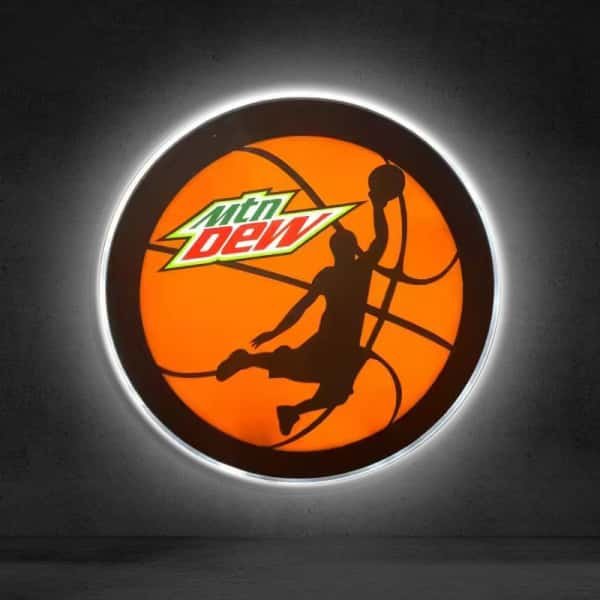
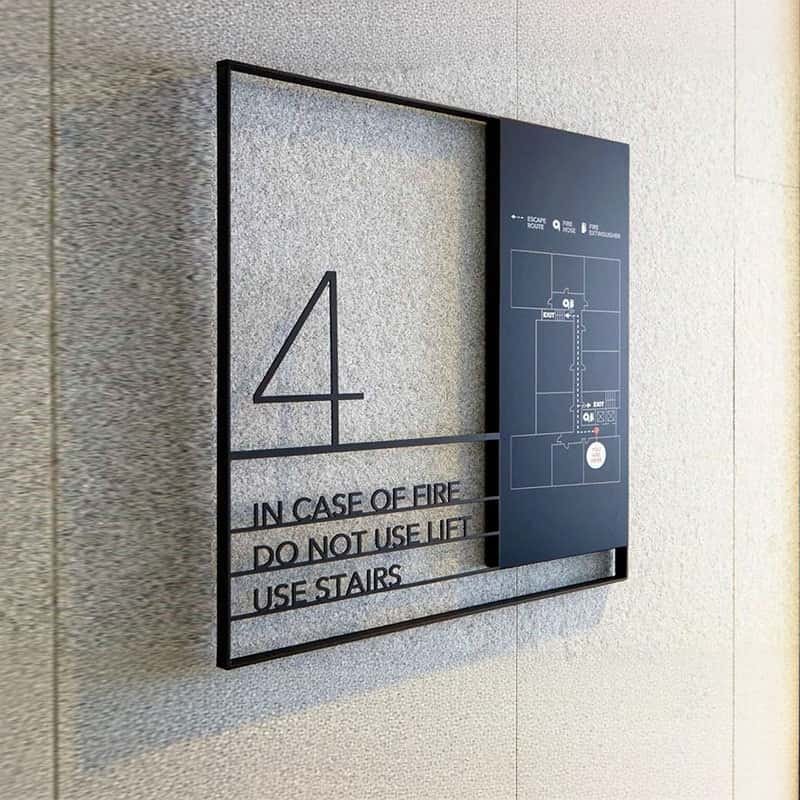
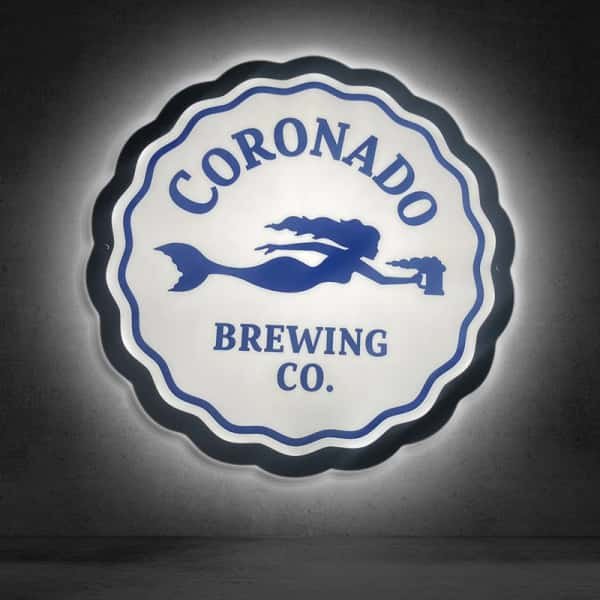
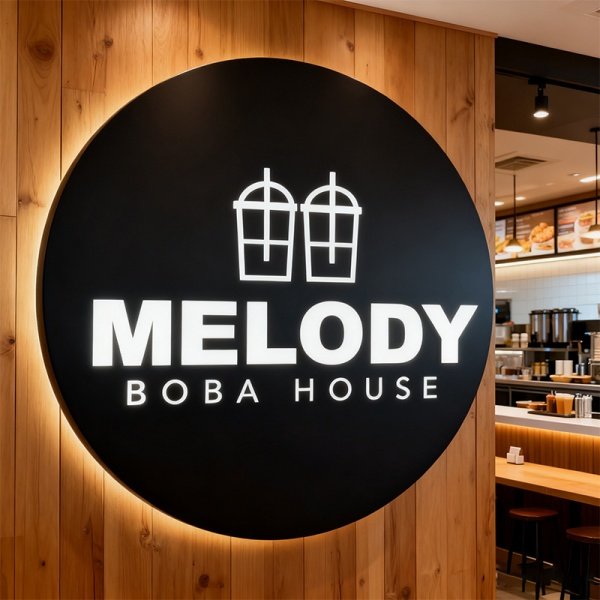
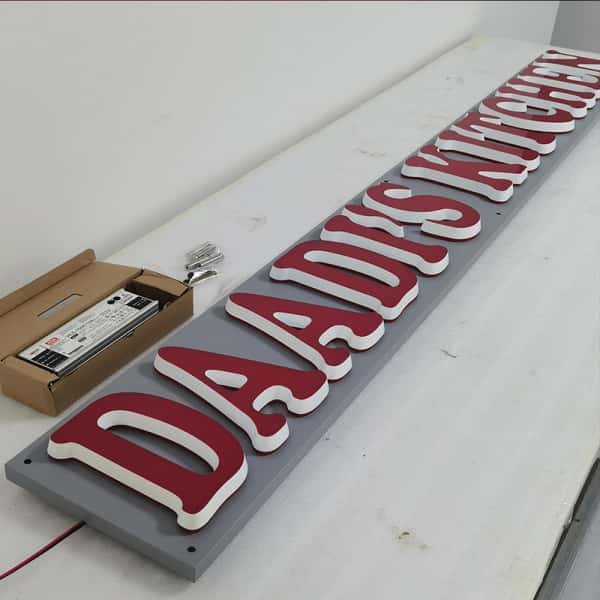
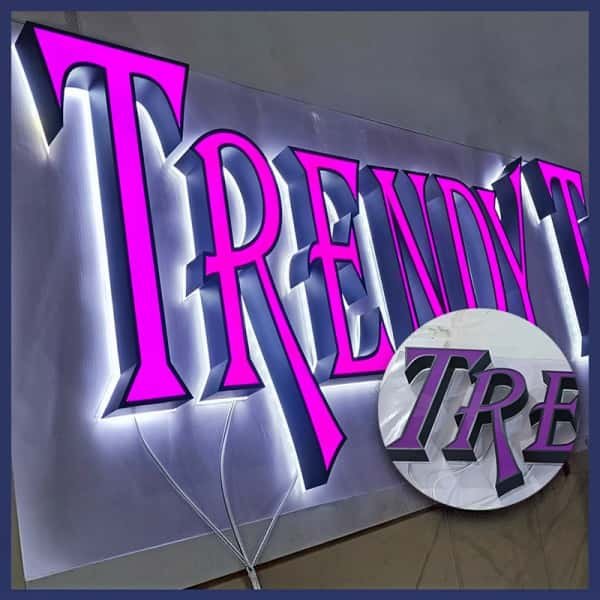
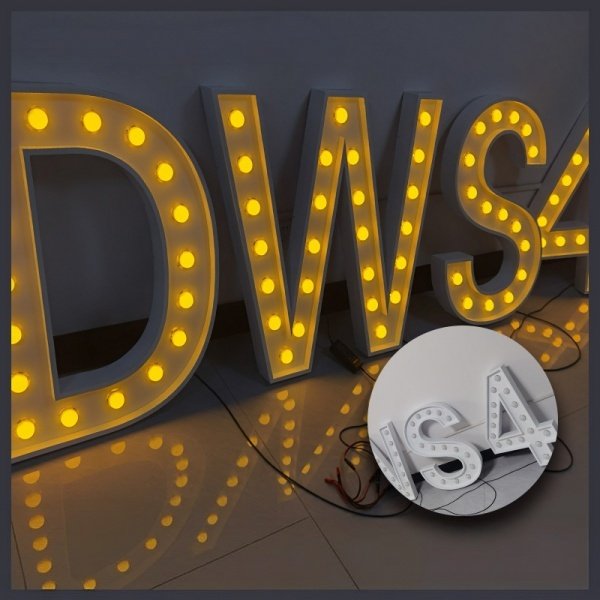
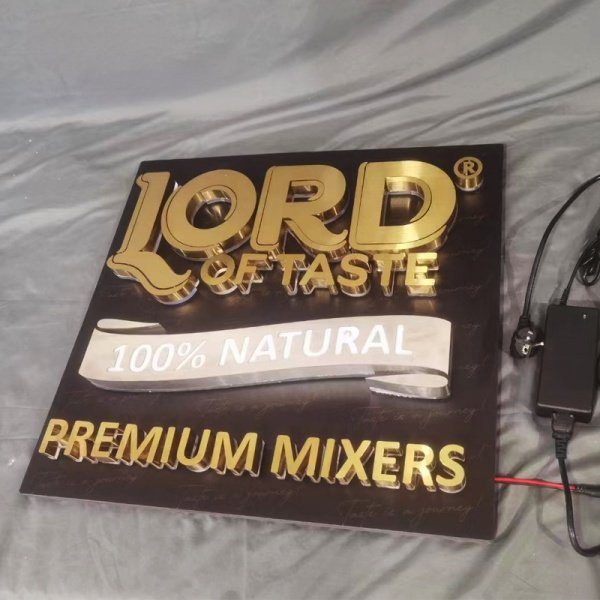
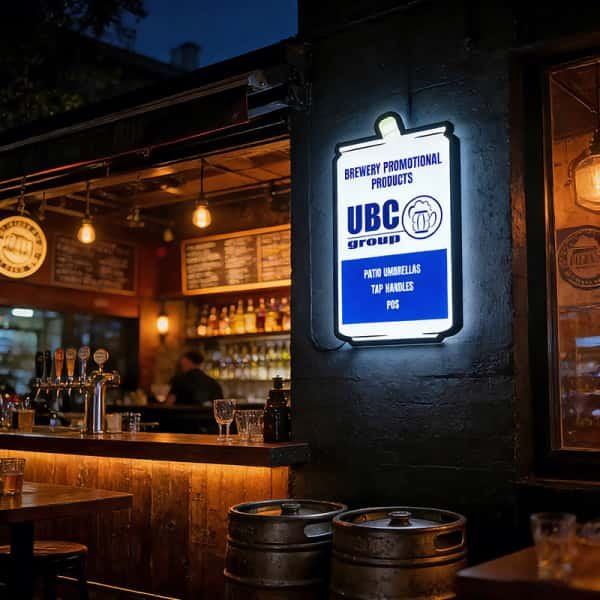
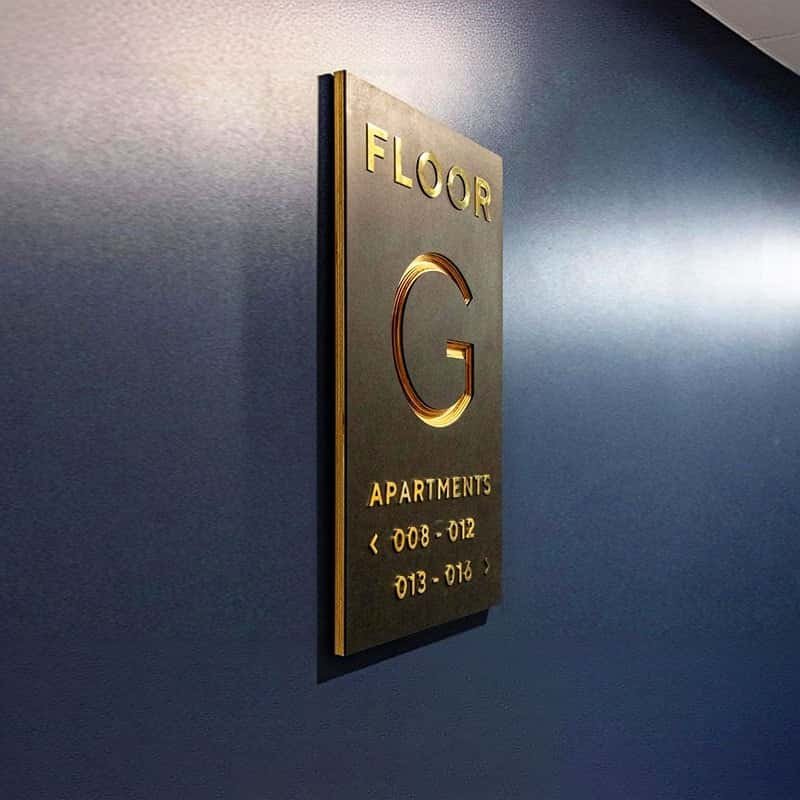
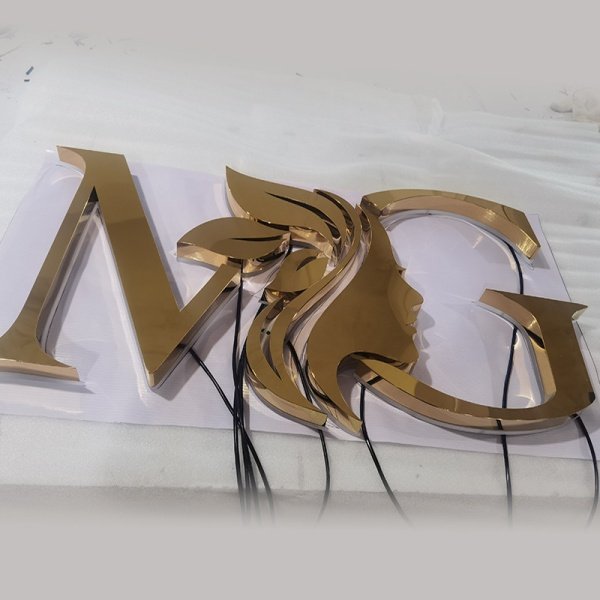
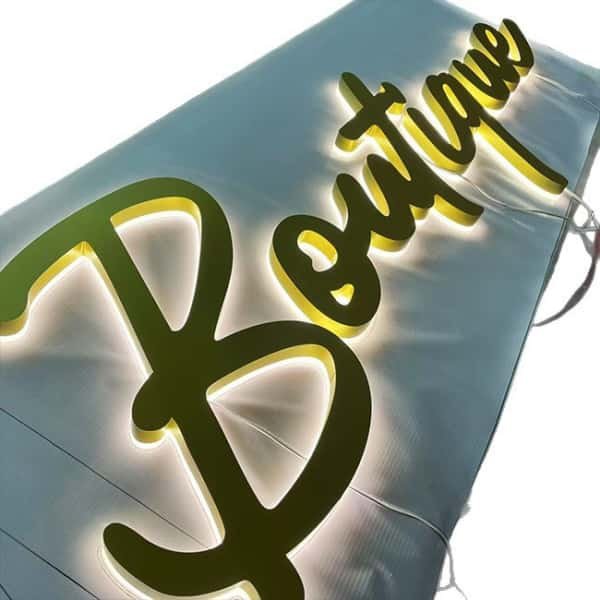
Explore Hicen’s Product Gallery to see custom building signs delivered for retail stores, hotels, offices and commercial spaces. From dimensional letters and illuminated logos to complete signage systems, each project is tailored in material, finish, lighting and mounting to meet specific brand and site requirements.

Commercial clarity
Samples, Pricing and Lead Times
Custom building signs are quoted as a scope, not a shelf price. We separate engineering, sampling, product cost, packing and freight so you can review the whole picture instead of comparing a single unit price.
01
What moves the price
Size, material, finish, letter count, illumination, mounting hardware, packing and destination. Standardizing sizes across locations usually brings the unit cost down.
Samples & First Articles
Finish samples answer color and texture questions. A first article is worth the cost when assembly, illumination or mounting carries real risk.
Batch and repeat orders
Minimum quantities depend on construction and how much is customized. Shared components and one approved schedule make larger runs more efficient.
Keeping reorders identical
We archive the drawing revision, artwork, finish references and inspection records so a replacement letter matches what is already on the wall.
Direct answers
Custom Building Signs FAQs
What do you need from us to quote custom building signs?
An elevation or a straight-on photo of the wall, your vector logo, the overall size you want, the wall build-up, whether the sign should illuminate, and the destination city. If a detail is still open, mark it as an assumption and we will list it separately in the proposal instead of quietly guessing.
How tall should building letters be?
Letter height follows the distance the sign has to be read from and how quickly people pass it. Facade letters on most commercial buildings fall somewhere between 12 and 36 inches, while lobby letters are usually 2 to 6 inches. We recommend taping a full-size paper proof to the wall and checking it from the road before you approve a size.
Can you match our brand colors exactly?
We match to the color standard you name — a Pantone reference, a brand book value, or a physical sample you send us. Painted finishes, powder coats, vinyl films and LED color temperature each shift slightly, so we approve the finished sample under the lighting the sign will actually live in.
Do illuminated signs work with our local voltage?
The LED modules and drivers inside the sign run on low voltage, typically 12 V or 24 V. We build to the mains voltage you specify for the destination, and your licensed electrician makes the final connection on site. Tell us the target country and we will specify components accordingly.
Can you mount letters on brick, EIFS or glass?
Yes, but each surface needs its own fixing and sealing method. Brick usually takes masonry anchors with sealed penetrations, EIFS needs fixings that reach the substrate, and glass is normally handled with a backer panel or standoffs rather than direct drilling. Send us the wall build-up and we will propose the fixing.
Will the signs hold up in coastal or high-wind locations?
Exposure drives material choice. Coastal sites usually call for marine-grade alloys or stainless steel, sealed edges and weather-rated components, while high-wind sites need the fixing pattern and return depth reviewed against local requirements. Share the site conditions and we will build the specification around them.
Can we see a sample before the full order?
Yes. A finish sample answers color, gloss and build questions quickly. When illumination, assembly or mounting carries more risk, a single finished first article is the safer approval — you see the real light output, the joints and the hardware before the batch is cut.
Can you handle the same sign across many locations?
That is one of the main reasons clients work with us. We hold one approved drawing, vary only the location-specific text, and pack by site so each crew receives its own labeled cartons. Shared components stay identical, which keeps later replacements simple.
Who takes care of permits and installation?
Your local team does. We supply the drawings, wiring information, templates and hardware; your contractor handles permits, site measurement, lifting and the mains connection. Confirming that split early is the single best way to keep inspection from becoming a cost problem.
Can you replace or match an existing building sign?
Often, yes. Send photos with a tape measure in frame, the overall dimensions and, if possible, a close-up of the return and face. Even without the original drawings we can usually reproduce the construction, though some finishes and older LED modules may have to be substituted with the closest current equivalent.
How long does it take to produce custom building signs?
Production time is set by the stages you approve, not by one fixed number: drawing review, finish sample or first article, fabrication, finishing and illumination, inspection, then packing. Once the drawing and the sample are approved, the batch runs against that single revision. Share your target install date and we will lay the schedule out stage by stage so you can see where the time goes.
What is the minimum order quantity for custom building signs?
MOQ depends on the construction and on how much of it is custom. A stud-mounted dimensional letter set can run in small quantities, including a single prototype, while illuminated sets need a practical batch because faces, returns and drivers are built and wired together. Shared sizes and grouped messages are usually what bring the minimum down.
Can you work from a low-resolution logo file?
Yes. Send whatever you have — a JPG pulled from the website, a photo of the old sign, or a scan of a business card. We redraw the logo as clean vector artwork and send it back for approval before anything is cut, which is also the moment to catch a stretched letterform or a curve that does not match the brand.
What letter style reads best from the road?
Simple, wide letterforms with generous spacing read best at distance. Thin scripts, condensed fonts and light weights look elegant up close but fade out from a moving car, so they usually belong on lobby and window signs instead. If your brand font is thin, we can keep the logo and thicken the letter strokes for the facade version.
Do backlit letters work on a dark wall?
Poorly. Halo letters throw light onto the mounting surface, so a dark or rough wall absorbs it and the glow disappears. Face-lit letters or a light box read far better on those walls. If the design calls for backlighting anyway, a lighter backing panel behind the letters restores most of the effect.
How are illuminated building signs powered and controlled?
Each illuminated sign runs on low-voltage LED modules fed by a driver, and the driver needs a dry, reachable position — inside the sign, in a raceway, or in an adjacent interior space. Mains voltage, conduit and the final connection are your electrician’s scope. Dimming, photocells and timers can be added when the sign should follow the building’s operating hours.