
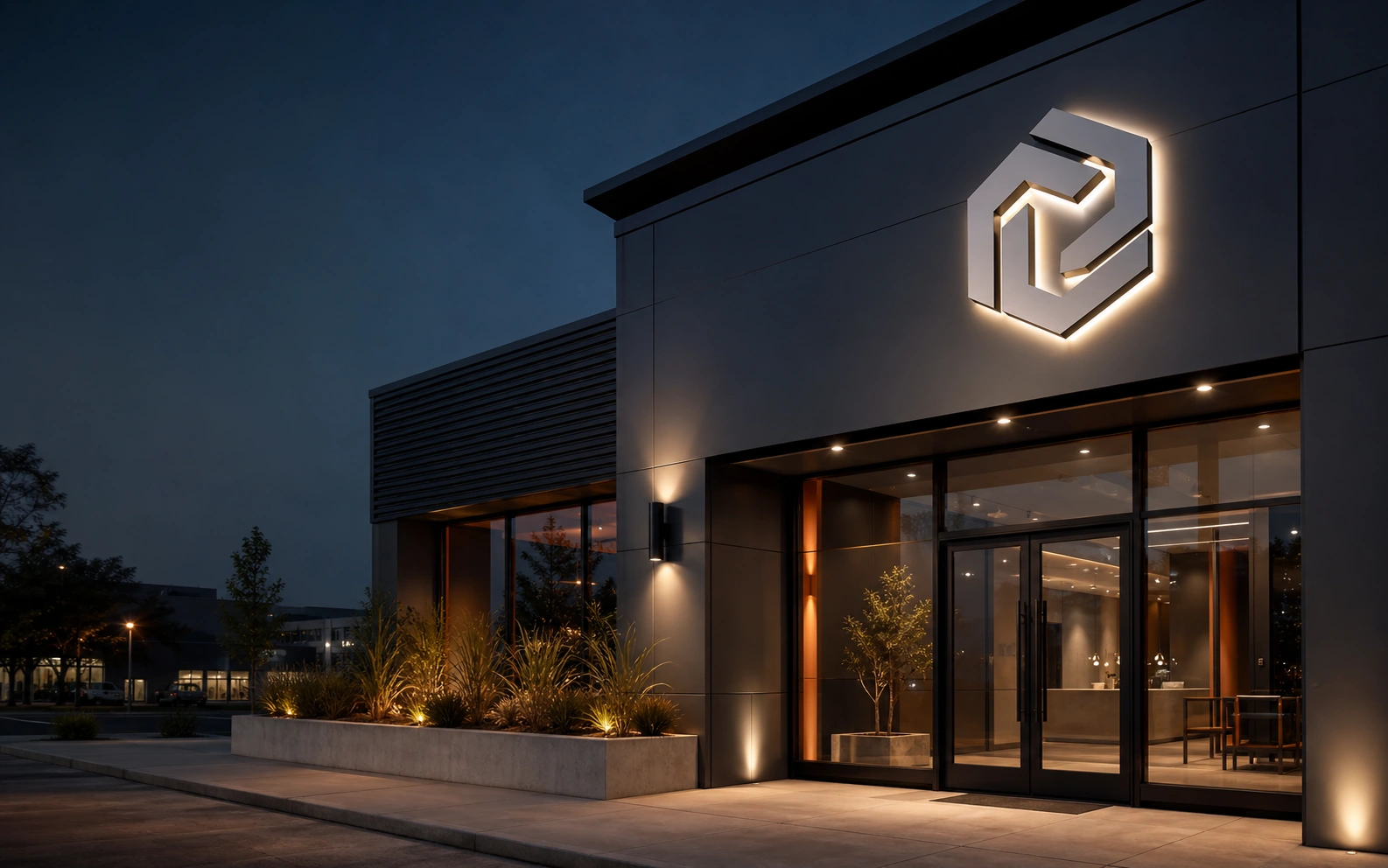
Custom Outdoor Business Signs Manufacturer
Hicen helps store owners, contractors, sign companies and architects turn artwork and project requirements into manufacturable custom outdoor business signs. Compare illuminated letters, light boxes, metal signs and project-specific structures for commercial exterior applications.
- Factory-direct custom production
- Custom size shape lighting and finish
- From shop drawing and sample to production
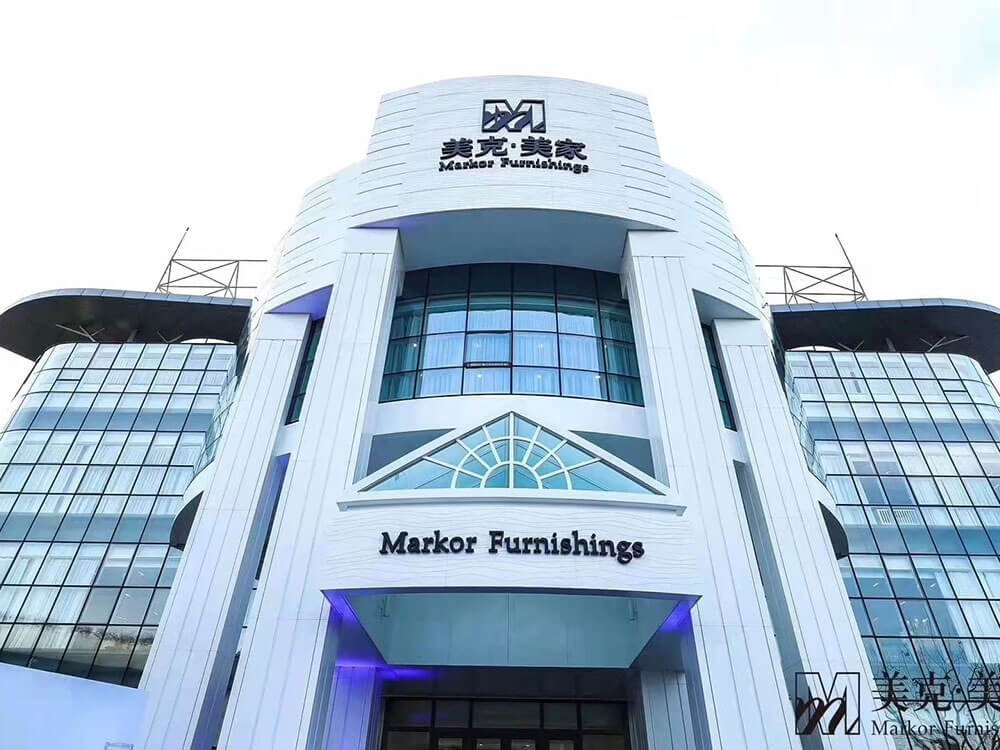
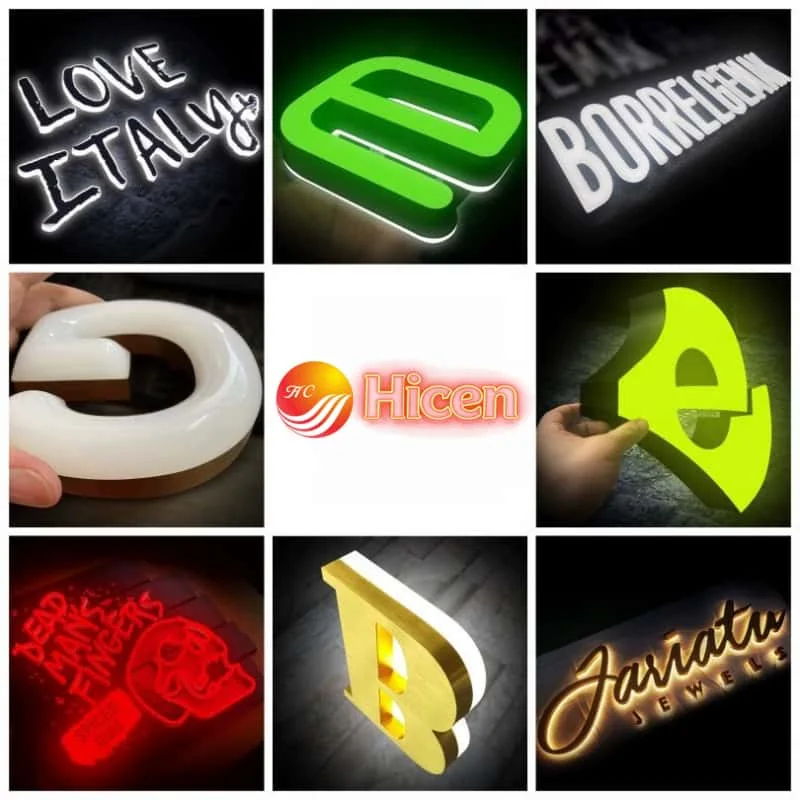
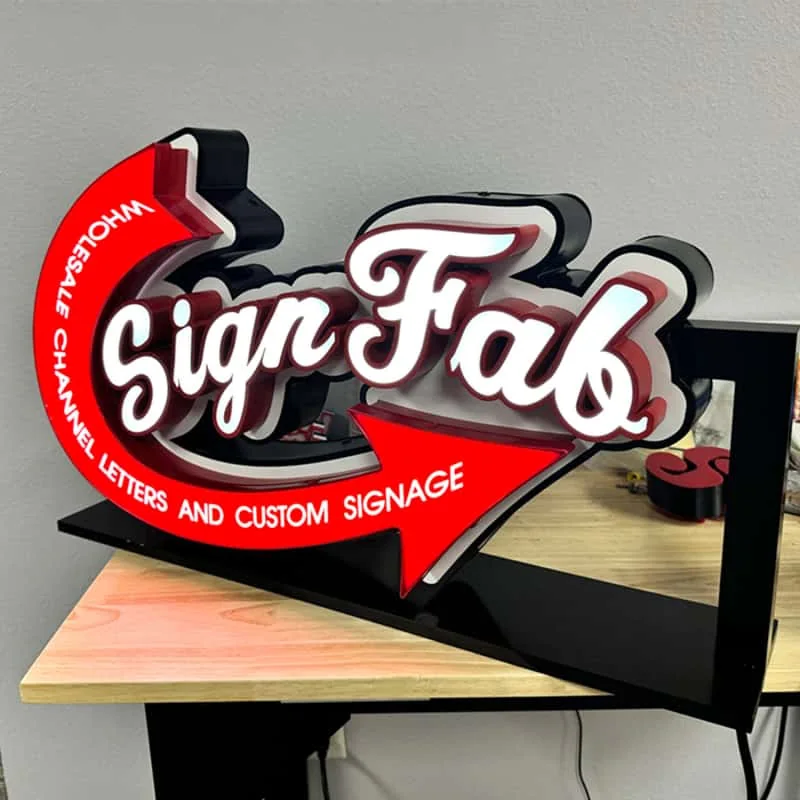

Concept visualization — replace with a verified Hicen project image before publication
Project fit
Is This the Right Solution for Your Custom Outdoor Business Signs Project
Qualify the project for your custom outdoor business signs before requesting a quote. Clear fit‑and‑boundary statements reduce unsuitable inquiries and make technical decisions for custom outdoor business signs easier to understand.
Best Fit
This page covers custom outdoor business signs for permanent installations and project‑driven exterior branding, supporting fully custom dimensions, specialty materials, integrated lighting layouts and complete installation‑planning support. It caters specifically to buyers requiring factory engineering services, production‑ready shop drawings, large‑volume batch production and compliant‑grade export packaging for custom outdoor business signs.
Confirm These Boundaries
For custom outdoor business signs, local jurisdiction permits, structural safety approval, on‑site final electrical hook‑ups and heavy‑duty site lifting work must be handled by qualified local professionals. Site‑specific performance criteria including wind‑load ratings, coastal salt‑air exposure protection and outdoor waterproof standards shall be verified strictly against your real‑world installation location.
Solution finder
Outdoor Sign Types by Application
Compare the main options by the job they perform, the visual effect they create and the information required for engineering.
Illuminated Channel Letters
Use front‑lit, halo‑lit or dual‑lit letters when the brand name must remain visible after dark. Letter depth, face material, return finish, LED layout and mounting method are engineered around the logo, viewing distance and wall conditions.
Request this option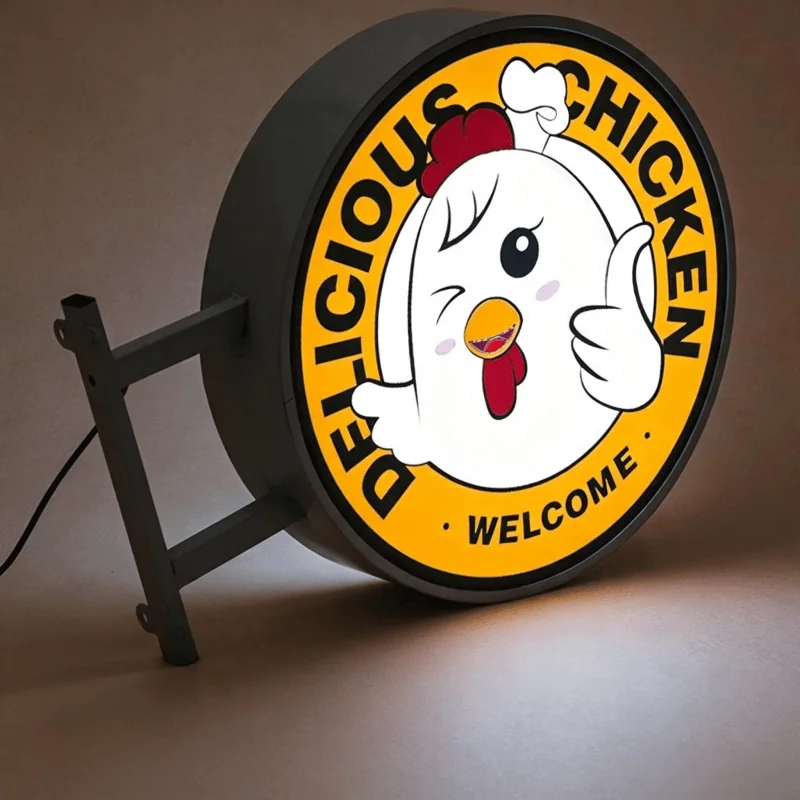
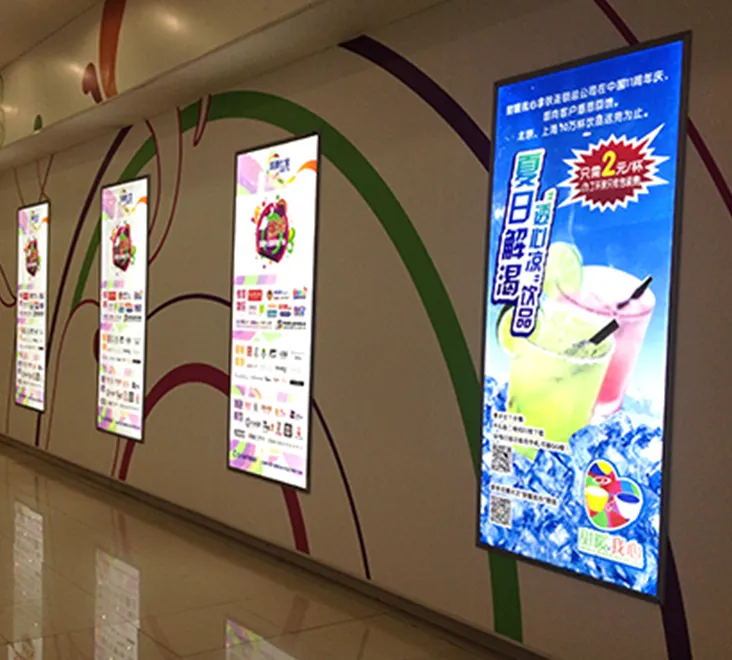
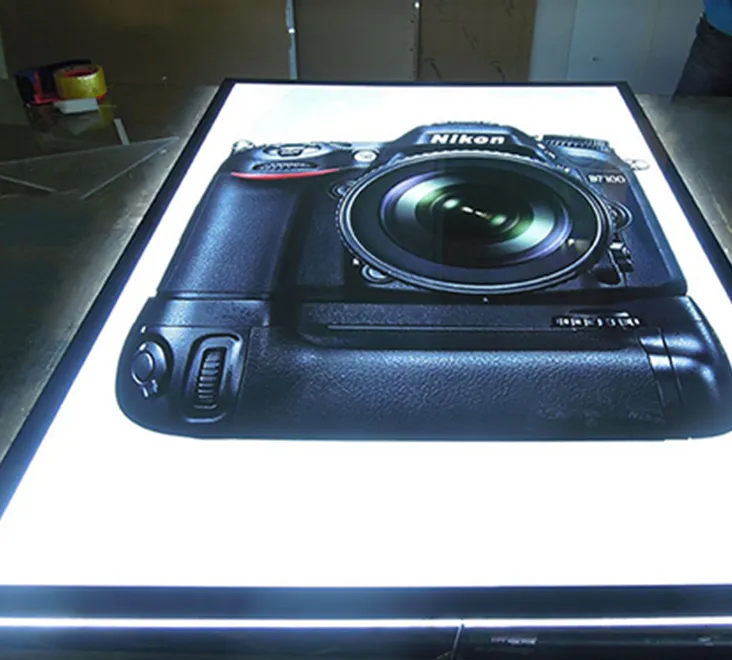
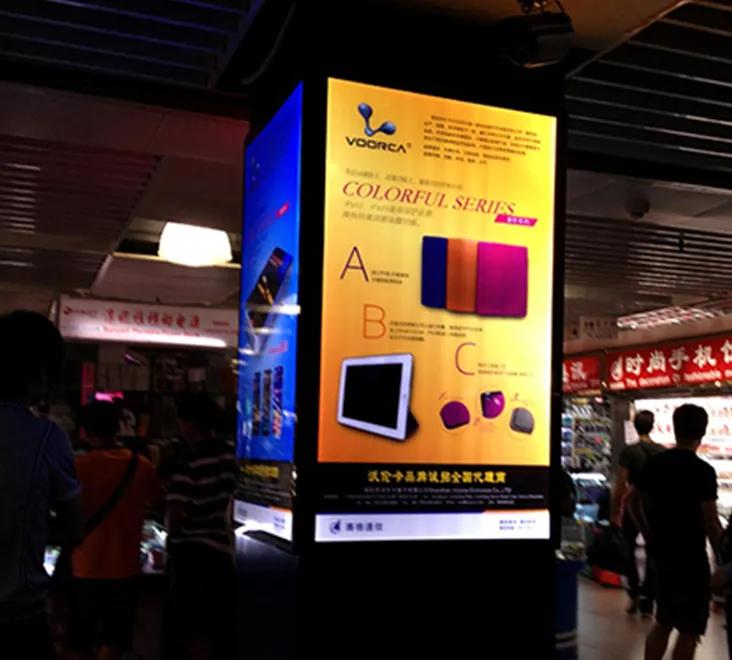
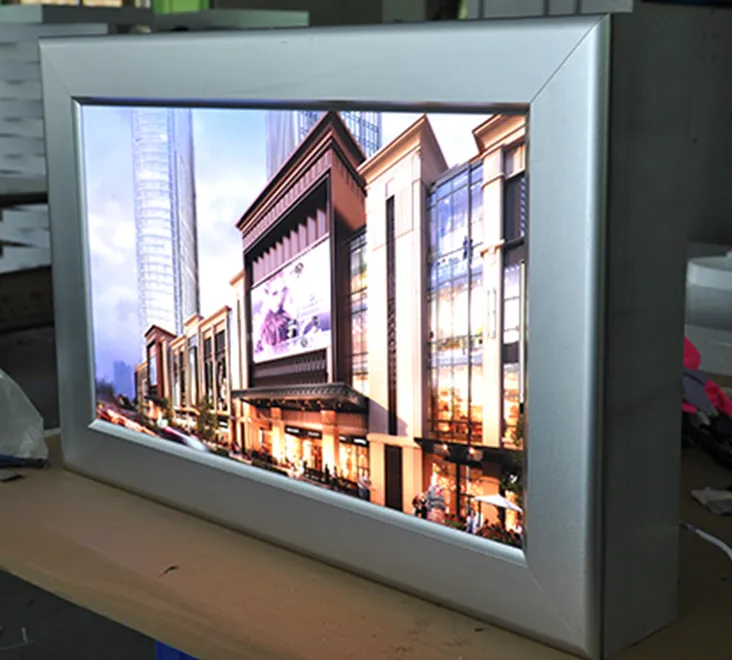
Exterior Light Boxes
Choose a light box when the design includes full graphics, replaceable artwork or a large illuminated panel. Frame depth, face material, opening method and internal lighting should match the size, maintenance plan and weather exposure.
Request this option
Metal Letters & Logos
Non‑illuminated or halo‑lit metal letters create a durable architectural finish for commercial facades. Aluminum and stainless steel can be painted, brushed or polished for the required appearance.
Request this optionBuilding & Site Signs
Larger building, wall and site identity signs may combine fabricated frames, dimensional logos and lighting. We review site information and recommend a modular construction for manufacturing, packing and local installation.
Request this optionPylon / Monument Freestanding Signs
Select pylon or monument signs for high‑visibility roadside branding viewed from moving traffic. Foundation design, steel support structure, cabinet sizing and wind‑load engineering are determined by local zoning rules, soil conditions and target viewing distance.
Request this optionProjecting Blade Signs
Blade signs mount perpendicular to building facades to catch pedestrian sightlines along sidewalks. Illuminated or non‑illuminated versions require bracket strength testing, wall substrate evaluation and weather‑rated panel material matched to street‑level operating conditions.
Request this option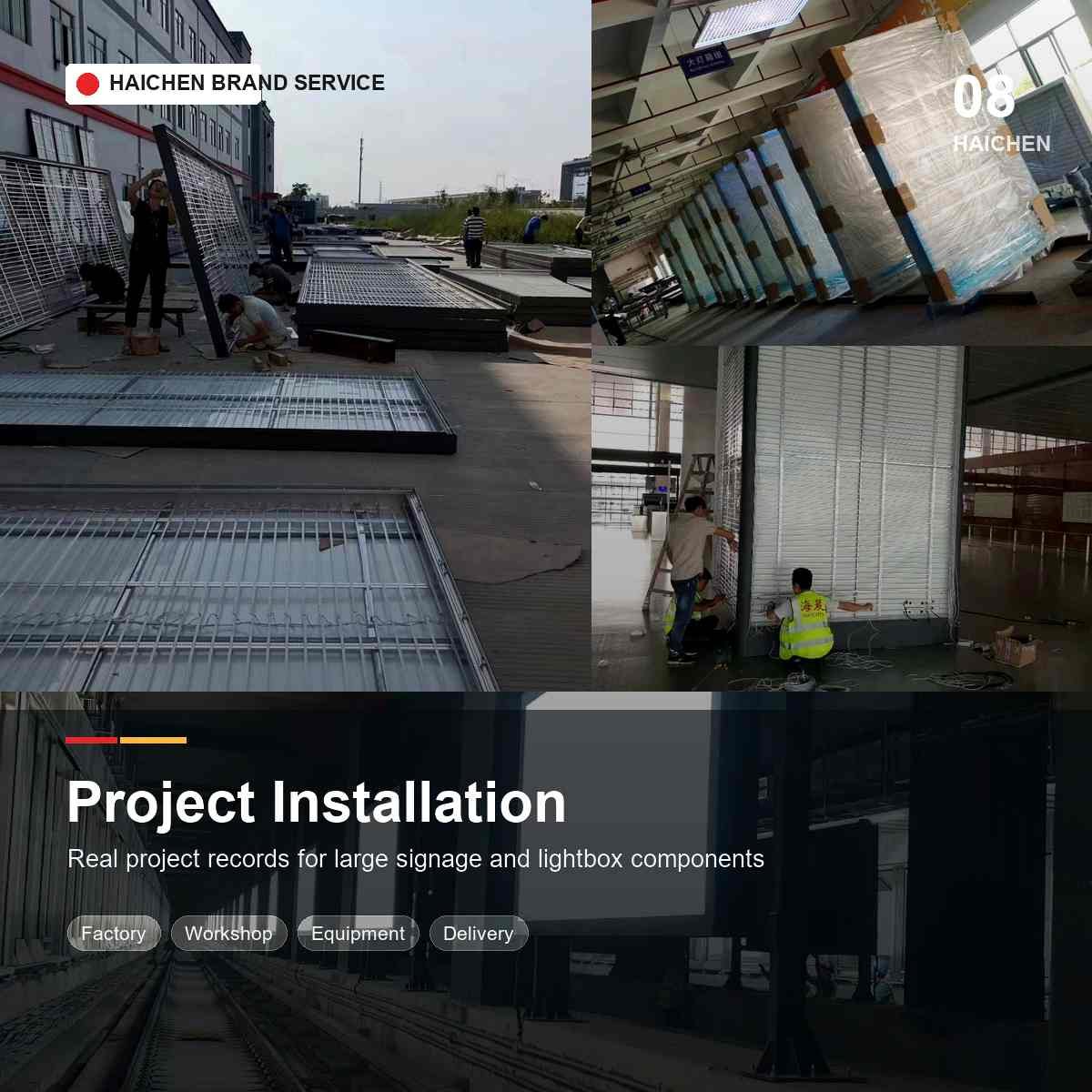 Large signage project · fabrication installation and delivery records
Real-world applications
Plan for the Real Outdoor Environment
The same sign can require a different structure, finish or service plan in different commercial environments.
Retail Storefronts
Balance day-and-night visibility with landlord criteria, facade proportions and concealed wiring. A storefront photo with one known measurement helps scale the sign before shop drawings.
Commercial Buildings
Longer viewing distances may require stronger mounting and serviceable electrical components. Share elevations, installation height and access conditions before production.
Coastal Locations
Salt air and high humidity change the material, fastener, coating and sealing recommendation. Provide the distance from the coast and expected exposure.
Multi-location Rollouts
Controlled artwork, finish samples, component specifications and location labels help maintain color, dimensions and illumination across repeat orders.
Decision support
How to Choose the Starting Direction
Good advice for your custom outdoor business signs only works if you know the pros and cons before you lock in drawings and quotes.
Pick your custom outdoor business sign based on what you need to see
Figure out how bright you need it at night and how much wall space you have for your custom outdoor business signs. Illuminated channel letters make brand names stand out. Outdoor light boxes show off full graphics. Metal-letter signs give buildings a nice high-end look.
Know what extra trade-offs come with your custom outdoor business sign
Brighter lights, deeper letter sides, nicer finishes and tougher frames make your custom outdoor business signs perform better. But these upgrades add more weight, use more power, need bigger packaging and push up your total project cost.
Material system
Materials and Construction Options
Material choices connect directly to application, appearance, environment, maintenance and budget. Final grades, thicknesses and claims belong in the approved project specification.
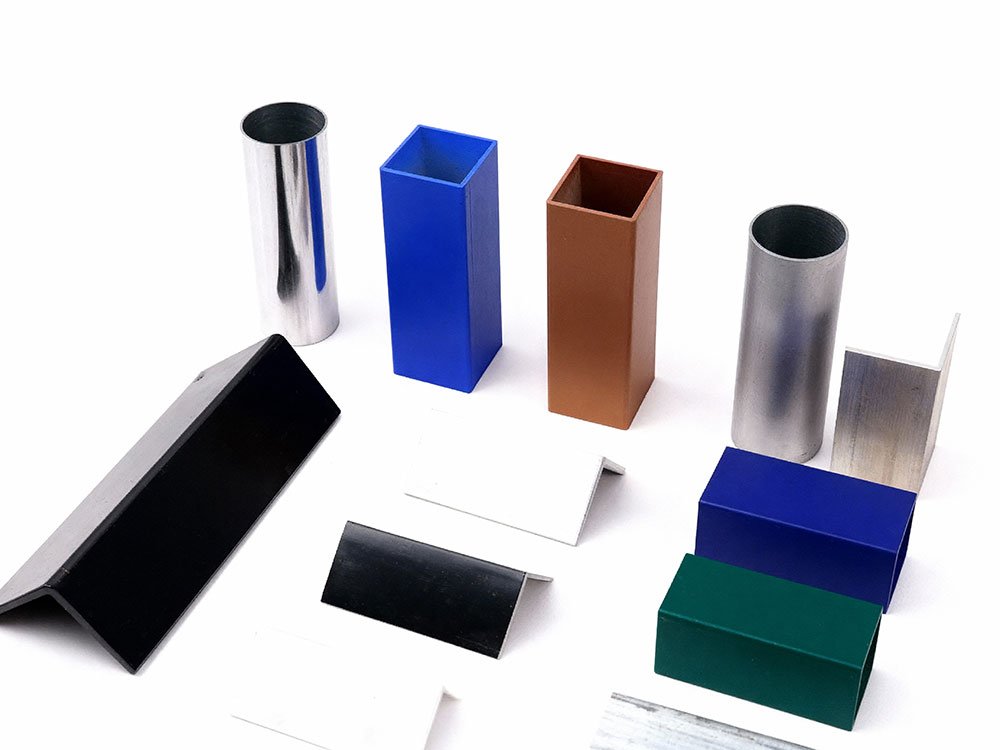 01
01Powder-Coated Aluminum
A practical balance of low weight, fabrication flexibility and exterior durability. Alloy, thickness, coating system and color are matched to the sign size and exposure.
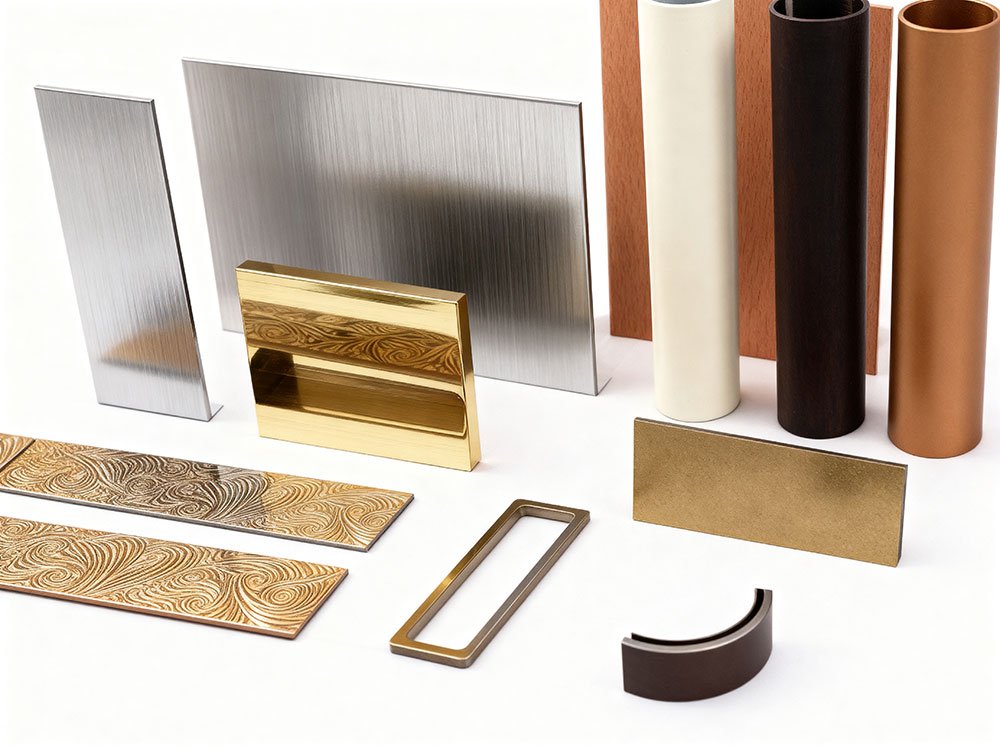 02
02Stainless Steel
Supports a premium brushed or polished appearance. Grade, surface direction, weld finishing and environmental suitability are confirmed for the project.
 03
03UV-Stable Acrylic
Opal, clear, colored or printed acrylic forms illuminated faces and graphic panels. Thickness and light transmission follow the sign geometry and lighting method.
 04
04Outdoor LED & Power
Water-resistant LED modules, drivers and wiring are specified as one system. Voltage, CCT, brightness, access and documentation are confirmed in the quotation.
Performance planning
Visibility, Weather and Service Planning
Great-performing custom outdoor business signs depend on full-system build quality, not just a single separate part. Visibility, weather resistance and long-term service access should be planned together from the beginning. Letter scale, colour contrast, lighting direction, sealing, drainage, material compatibility, power access and replaceable components must all reflect the real installation site, local climate and expected maintenance conditions.
Consult on WhatsAppDesign Viewing Conditions for Custom Outdoor Business Signs
For your custom outdoor business signs, letter height, colour contrast, light direction and install height all change how easily people can read your sign. Evaluate different choices with on-site photos and target dimensions, then double-check everything against real-world local site conditions.
Build Maintenance Into Custom Outdoor Business Signs
All custom outdoor business signs require proper planning for water drainage, weather sealing, power access and swap-out spare parts. Production shop drawings must mark wiring outlets, mounting anchor points and clear service access openings for future repairs.
Project specification
Customize the Sign Around Your Brand and Site
Custom production works best when visible brand requirements and hidden engineering requirements are approved together.
Size Shape & Geometry
Overall size, depth, letter or logo geometry and sectional construction are developed around the artwork and shipping constraints.
Colors Materials & Finish
Pantone references, material samples and finish approvals control visible color and texture for sampling and repeat orders.
Lighting & Electrical
Define front, halo, edge, RGB or non-illuminated requirements plus voltage, CCT, controller and driver location.
Mounting Packing & Labels
Choose studs, raceways, back panels or project-specific fixings, then plan packing, accessory kits and location labels.
Compare with context
Compare Options Before You Approve the Drawing
Use one consistent matrix to evaluate appearance, environment, maintenance, installation and relative cost without losing technical differences.
| Option | Best visual role | Night effect | Maintenance | Relative cost |
|---|---|---|---|---|
| Channel letters | Brand names | Front · halo · dual | Component access | ●●●○ |
| Light boxes | Full graphics | Large even face | Replaceable face | ●●○○ |
| Metal letters | Architectural identity | None · halo | Finish care | ●●●○ |
| Site structures | Distance visibility | Integrated system | Planned access | ●●●● |
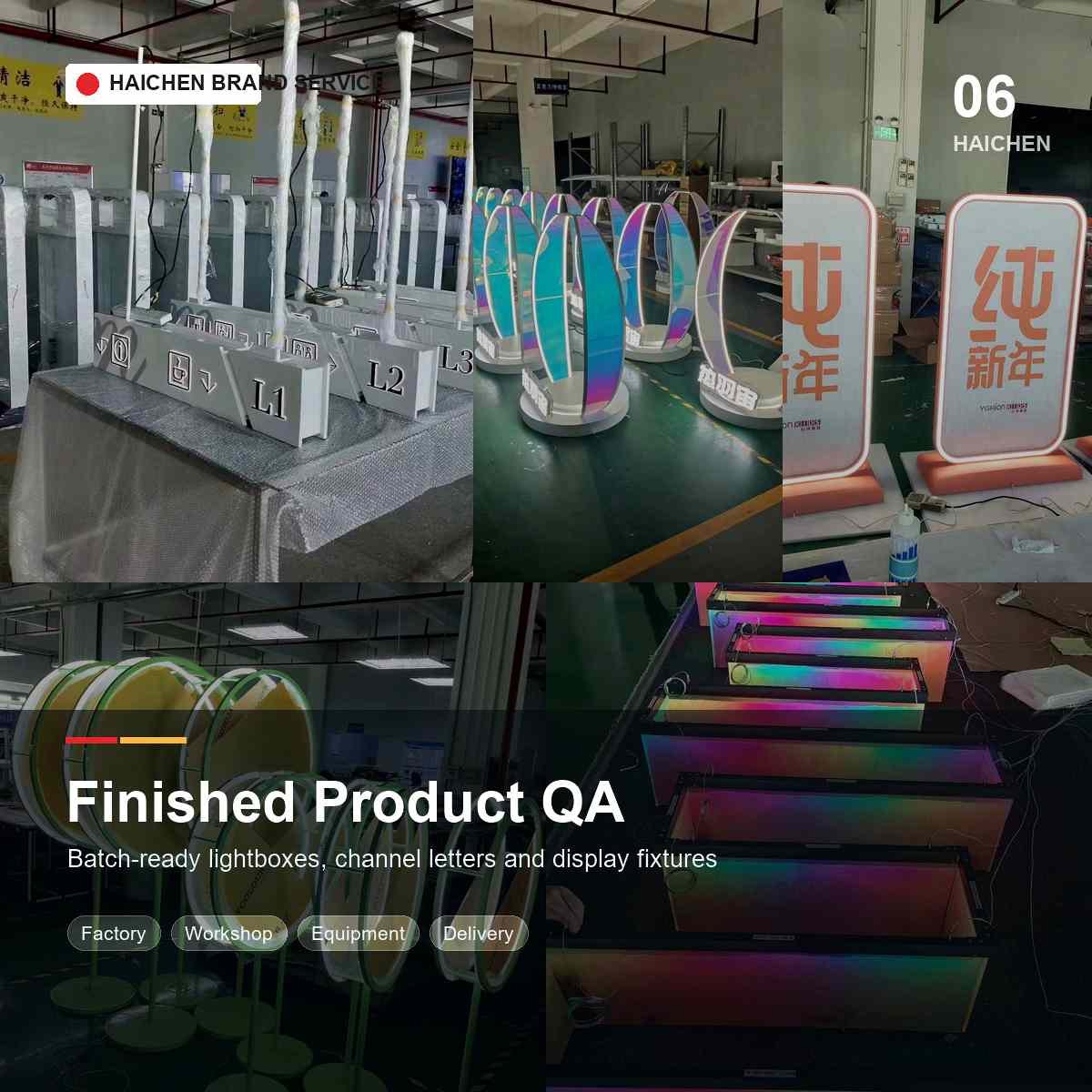
Finished-product inspection · batch-production recordsManufacturing evidence
From Approved Drawing to Final Inspection
Each step should reveal what is checked, what the buyer approves and which record can verify the result.
Artwork & Shop Drawing Review
We translate approved artwork and project inputs into proposed dimensions, materials, lighting, mounting and wiring. Assumptions are identified before production.
Controlled Fabrication
Cutting, forming, welding, machining and finishing follow the approved drawing and material specification, with close-up process checks.
Assembly & Electrical Check
Alignment, joints, wiring, component access and the intended illuminated effect are checked before final inspection.
Final Inspection & Approval
Dimensions, appearance, finish, lighting, accessories and packing are inspected. Project-specific approval photos or video can be included.
Relevant project proof
Show the Decision and the Result
Two complete projects with verified specifications and manufacturing evidence are more persuasive than a large gallery without context.
Show the Project Decision
Explain the application, constraint, selected construction and why it was chosen. Publish dimensions, quantity, material, lighting and mounting only when the data is approved.
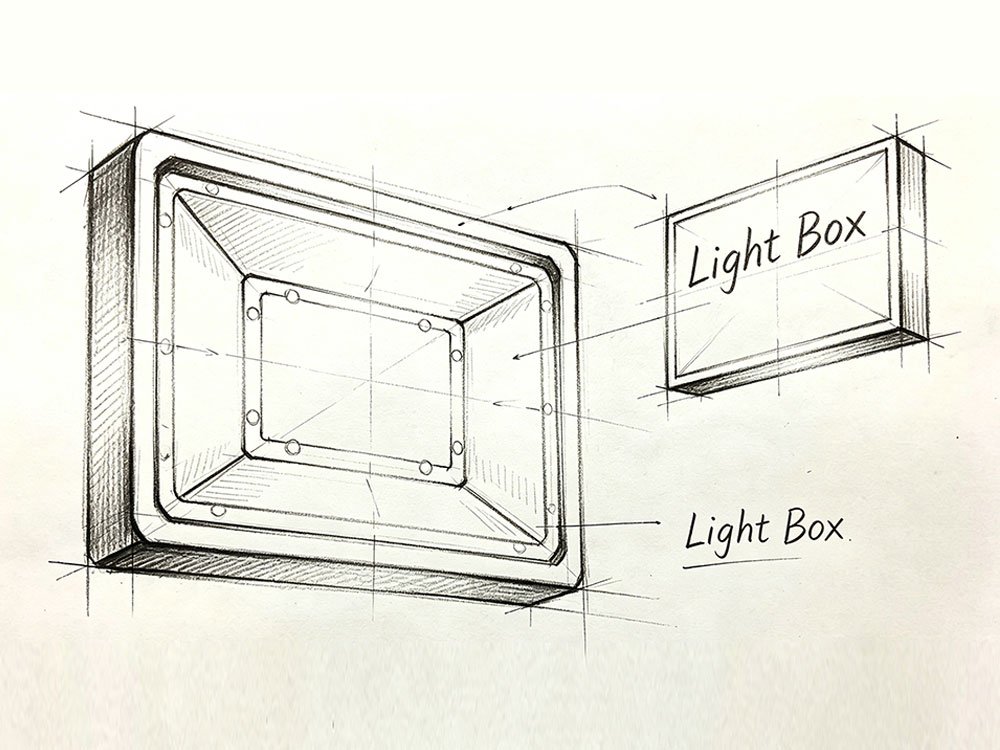 Engineering sketch and specification review
Show the Proof and Result
Add process photos, illuminated testing, close-up finish images, packing and the installed result. Customer names may remain confidential, but every published fact must be real.
Complete outdoor building signage project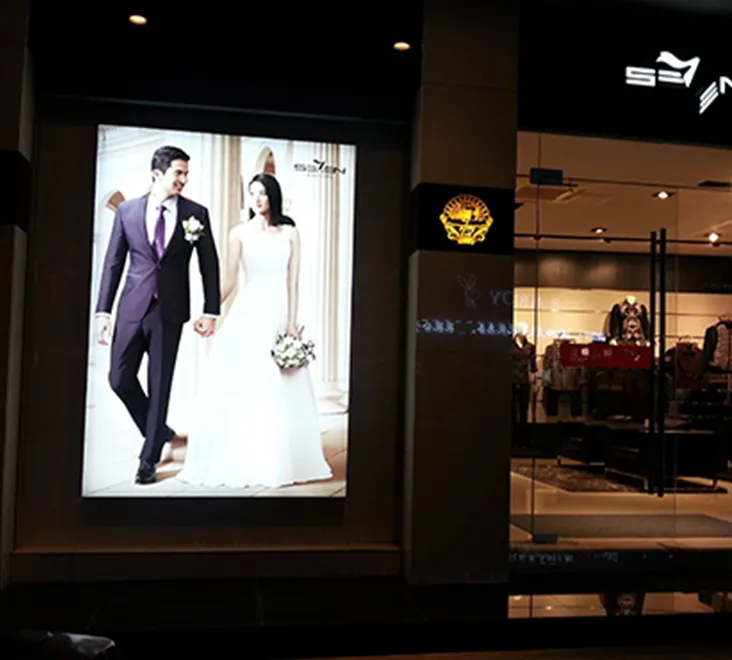



Commercial clarity
Pricing Samples MOQ and Repeat Orders
Separate one-time work, product cost, sample approval, volume production and logistics so buyers can prepare a comparable RFQ.
What Changes the Price
Size, quantity, material, structure, finish, lighting, certification, packaging and destination. A useful quote separates the supplied scope.
Samples & First Articles
Verify construction, color or lighting before volume production, with sample cost, approval method and revision scope stated clearly.
Bulk & Repeat Orders
Stable drawings, shared components, production efficiency and shipment planning influence volume pricing.
Tooling & One-Time Costs
Molds, jigs, engineering or special packaging are listed separately, including reuse and ownership where applicable.
Controlled handoffs
From RFQ to Delivery
At every stage, define the buyer input, Hicen output and approval point. Final lead time separates design, sample, production and shipping.
RFQ & Feasibility
Submit the brief and files. We identify missing inputs, feasibility questions and the next technical step.
Proposal & Approval
Compare the recommended option, itemized quotation, mockup and shop drawing before approving production.
Production & QC
Manufacturing follows the approved revision with agreed inspections and buyer approval records.
Packing & Delivery
The sign, accessories, templates, spare parts and documents are packed as one controlled shipment.
Ready beyond the factory
Prepared for International Shipping and Local Installation
The delivered package should protect the finish and help the local team identify, assemble and install every component.
Protect the Product in Transit
Protective film, foam, reinforced cartons, crates or modular packing are selected around size, weight and finish. Package dimensions, weight, labels and packing list are provided before shipment.
Prepare the Local Installer
Approved drawings, numbered templates, hardware, wiring diagrams and accessory lists are included as required. Local permits, electrical work, lifting and labor are confirmed separately.
Direct answers
Outdoor Business Signs Frequently Asked Questions
Clear conclusions first, followed by the conditions and next step that make each answer reliable.
01What should be marked on a facade photo before a factory sizes an outdoor business sign?+
Mark one verified measurement, the available sign area, wall edges, power position, obstructions and the intended centerline. Add the viewing direction and installation height so Hicen can scale the custom outdoor business sign without treating the photograph as a dimensioned drawing.
02How do pedestrian and moving-traffic views change outdoor sign proportions?+
Pedestrian signs can support finer detail and closer spacing, while signs seen from vehicles need faster recognition and simpler visual hierarchy. Share the approach direction, approximate viewing distance and traffic speed so letter height and overall proportions can be reviewed in context.
03When should a large exterior sign be manufactured in transportable modules?+
Modular construction becomes useful when the finished sign exceeds practical limits for fabrication handling, crate size, container loading, local access or lifting. The approved drawing should identify module joints, alignment features, field connections and the order of assembly.
04How can one concealed power feed serve multiple illuminated letters?+
The electrical layout can distribute low-voltage power from a planned remote driver or serviceable enclosure to separate letters. The shop drawing must show the shared feed, cable routes, exits, connection points and access method while the local electrician confirms the final mains connection.
05What property or landlord rules should be confirmed before shop drawings begin?+
Collect the permitted sign type, maximum area, projection, return depth, raceway rules, approved colors, mounting restrictions, illumination limits and submission format. Turning these rules into drawing notes early prevents a visually approved concept from failing property review.
06Which outdoor sign responsibilities belong to the factory and which remain local?+
The supply scope should separate fabricated signs, electrical components, templates, fixings, drawings and packing from permits, structural approval, wall preparation, lifting, field wiring and final connection. Record every exclusion so the local team knows what must be arranged before delivery.
07How can buyers compare outdoor sign quotes built around different structures?+
Normalize each quotation by listing sign dimensions, material grades, thicknesses, lighting, driver location, mounting system, supplied accessories, testing, packing and freight assumptions. Compare exclusions and service access as carefully as the headline product price.
08What finish evidence should be approved before exterior sign production?+
Approve a named color reference plus a physical or documented finish sample that shows gloss level, texture, grain direction and acceptable variation. For mixed metal, acrylic and printed components, review the complete color relationship under relevant lighting rather than approving isolated swatches.
09When is a first article more useful than a small material sample?+
Use a first article when the risk lies in assembled depth, joints, illumination, wiring, mounting or repeatability. A small coupon is usually enough when the decision is limited to color, coating texture, metal grain or acrylic transmission.
10What service access should be planned before a sign is mounted at height?+
Identify how drivers, controllers, covers, faces and replaceable light modules will be reached without dismantling unrelated parts. The maintenance direction, required clearance and safe access assumptions should appear on the shop drawing before mounting points are fixed.
11How should cable exits and drainage follow the installed orientation?+
Approval drawings should show the true top, bottom and wall-facing surfaces of every sign element. Cable exits, glands, seams, protected vents and drainage points must be coordinated with that orientation so field installation does not create a new water path.
12What wind information is needed before recommending an exterior support structure?+
Provide the installation city, mounting height, sign dimensions, exposure position, wall or foundation information and the project wind-design requirement when known. Hicen can develop a preliminary fabrication concept, while the local structural professional confirms site loads and anchorage.
13How should coastal salt exposure be translated into a sign specification?+
State the site distance from the coast, direct spray exposure, prevailing wind, maintenance access and target service life. The response should define compatible metal, pretreatment, coating, fasteners and isolation between dissimilar materials instead of relying on the word coastal alone.
14Which pre-shipment images create a useful acceptance record?+
Request full front and side views, close-ups of corners and seams, illuminated day and dark-room views, wiring and driver labels, mounting hardware, accessories, packing stages and crate marks. Include a scale reference and approved drawing revision in the record.
15How should replacement LEDs and drivers be identified for future service?+
Record the manufacturer, model, voltage, output, color temperature and wiring position for each serviceable component. Label supplied spares to match the drawing and keep the component schedule with the installation records rather than relying only on photographs.
16What labeling system prevents mix-ups in a multi-location sign rollout?+
Assign every site, elevation, sign type, crate and accessory kit a shared location code. Repeat that code on drawings, packing lists, templates, cables and carton labels so installers can identify each package without opening every crate.
17Can an outdoor business sign be designed for future graphic changes?+
Yes, when replaceable faces, removable panels, accessible retainers or modular logo zones are planned from the beginning. Define which content may change, who will service it and how weather protection is restored after each update.
18Which site measurements prevent errors in an installation template?+
Verify overall available width and height, centerlines, datum level, wall joints, edge clearances, substrate thickness, power exit and accessible fixing zones. Templates should reference fixed site datums rather than measurements taken only from a rendered logo.
19How should permits and local electrical work be coordinated with factory production?+
Place property review, permit submission, structural approval, electrician confirmation and factory drawing approval on one schedule. Do not release production until decisions that affect dimensions, mounting, wiring or labels are closed, and keep shipping time separate from fabrication time.
20What records help a repeat outdoor sign order match the first installation?+
Archive the final drawing revision, artwork, approved colors and finish samples, component schedule, inspection records, packing layout, installation photographs and field-change notes. A repeat order should begin from this controlled record and document any substituted material or component.