How long does LED signage last? A well-built LED sign typically lasts 8 to 12 years or longer. The real lifespan depends on the LED modules, power supply, metal structure, acrylic face, coating, local environment, and maintenance. This guide explains what wears out first, how to compare suppliers, and the practical steps that keep illuminated signage bright and reliable.
How Long Does LED Signage Last?
Most commercial LED signage delivers tens of thousands of operating hours. In normal use, that often translates to roughly a decade of service. LEDs usually dim gradually instead of failing all at once, while replaceable components—especially power supplies—may need attention earlier.
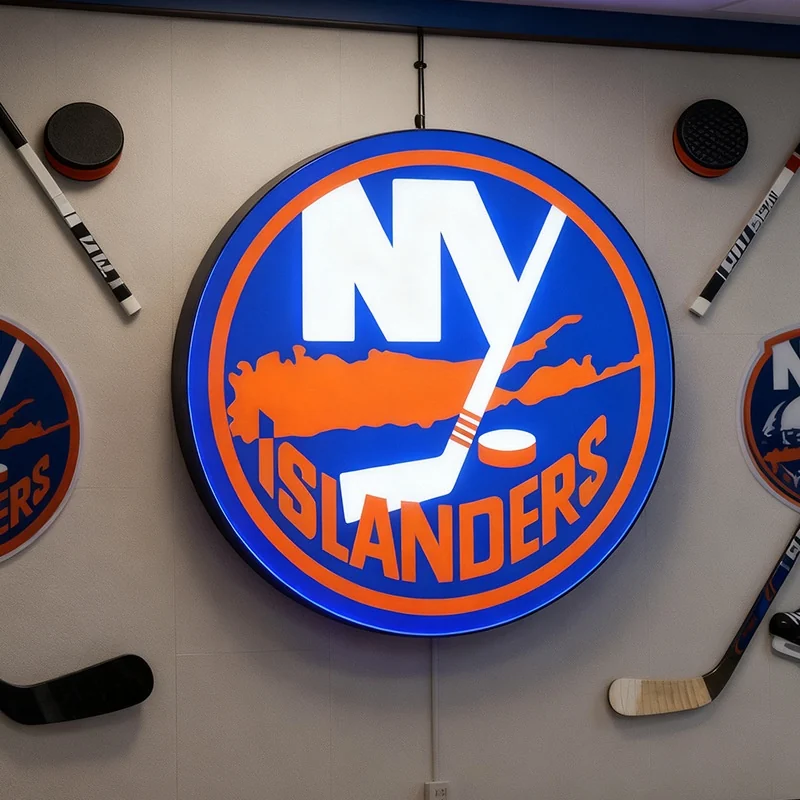
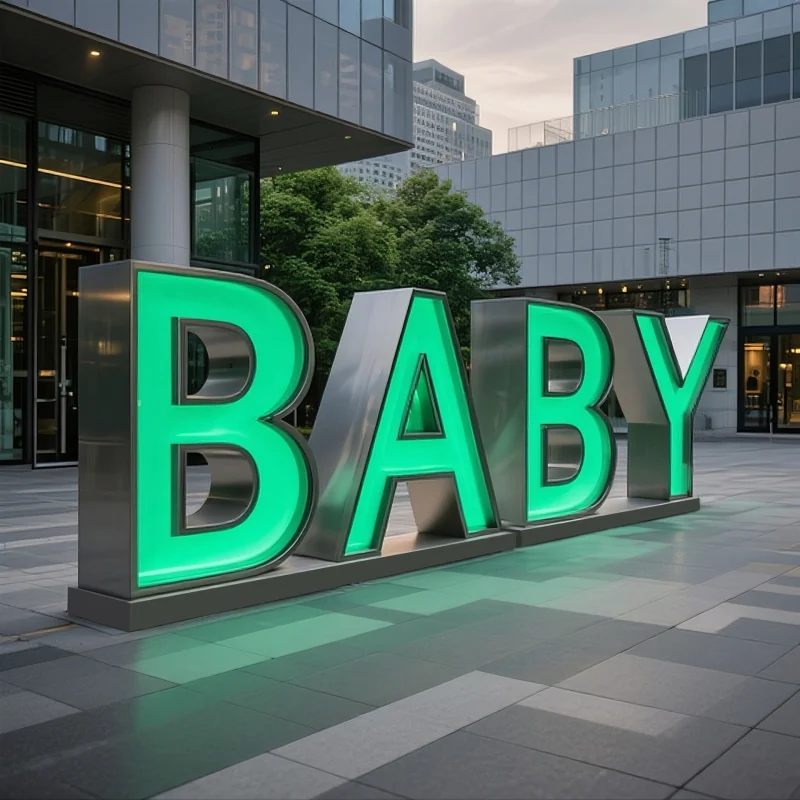
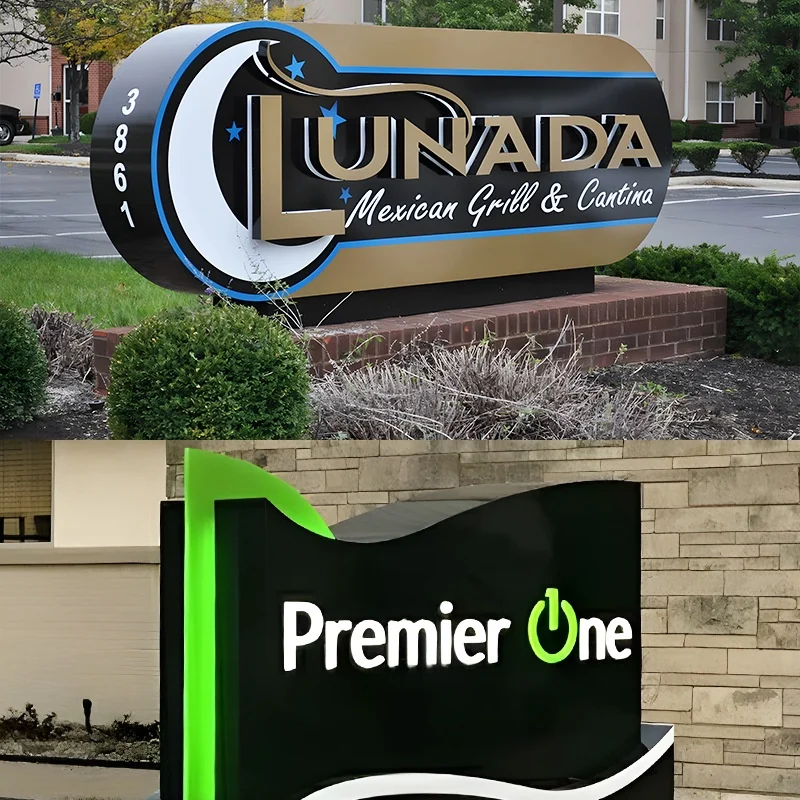
A lifespan claim is only useful when it is backed by component specifications, waterproofing details, thermal design, and test records. Hicen’s custom channel letter signs use in-house fabrication, waterproof LED modules, and a 48-hour aging test before shipment.
What Determines LED Signage Lifespan?
LED Modules and Brightness Decay
Quality LEDs can operate for many years, but light output slowly decreases over time. Correct module spacing and conservative electrical loading reduce heat, prevent hot spots, and help the sign maintain even brightness.
Power Supply and Electrical Stability
The driver or power supply works continuously and is often the first major component to require replacement. A correctly rated, certified unit with surge protection is far more reliable than an undersized driver working near its maximum load.
Metal Structure, Acrylic Face, and Coating
Aluminum and stainless steel structures can outlast the lighting system when welding, sealing, and finishing are done properly. UV-stable acrylic resists yellowing and cracking, while powder coating or automotive paint protects metal from moisture and corrosion. Explore Hicen’s custom metal sign options for durable material and finish choices.

Environmental Factors That Shorten LED Sign Life
Heat, humidity, salt air, strong UV exposure, and unstable mains power are the main environmental threats. High temperatures accelerate LED and driver degradation. Moisture causes corrosion and electrical faults. Coastal salt air is especially aggressive toward untreated metals and fixings.
- Hot climates: prioritize heat dissipation, ventilation, and properly spaced LED modules.
- Wet locations: specify sealed cable entries, drainage, and an appropriate IP rating.
- Coastal projects: use corrosion-resistant metal, stainless fixings, and a robust coating system.
- Strong sunlight: choose UV-stable acrylic and fade-resistant finishes.
- Unstable power: add correctly rated protection and a certified power supply.
How Manufacturing Quality Affects Durability
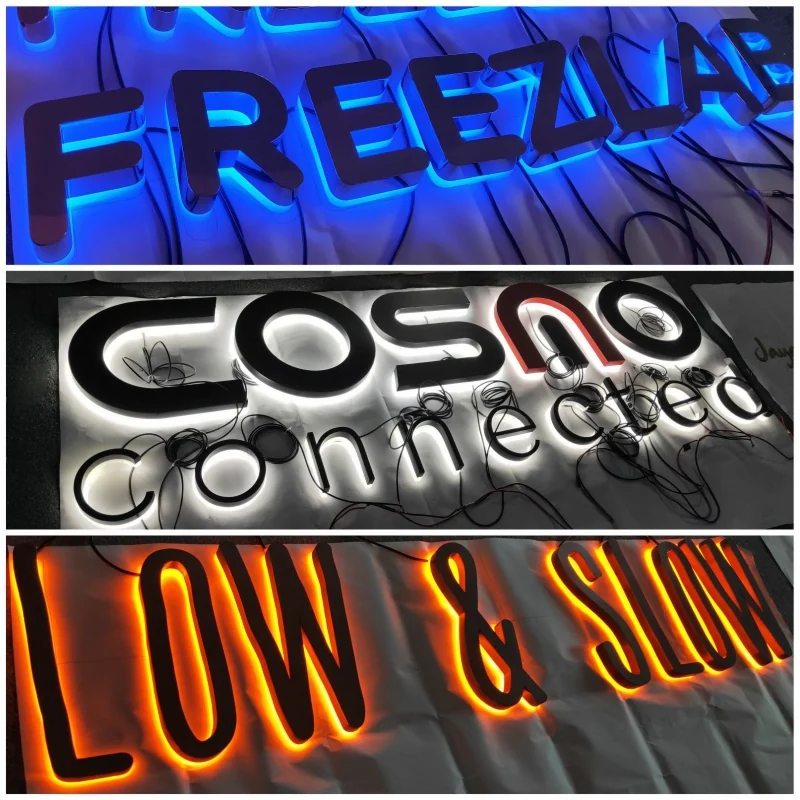
Two signs with the same parts list can age very differently. Clean welding, sealed joints, safe wiring, even LED layout, and controlled finishing determine whether the components achieve their expected service life.
Welding, Sealing, and Drainage
Continuous welds and carefully sealed cable entries keep water away from the electronics. Outdoor signs should also allow condensation to escape through correctly positioned weep holes.
Heat Dissipation and LED Layout
Uniform module spacing prevents bright and dark areas while reducing local heat buildup. The structure must also allow heat to move away from the LEDs and driver.
Aging Tests and Quality Control
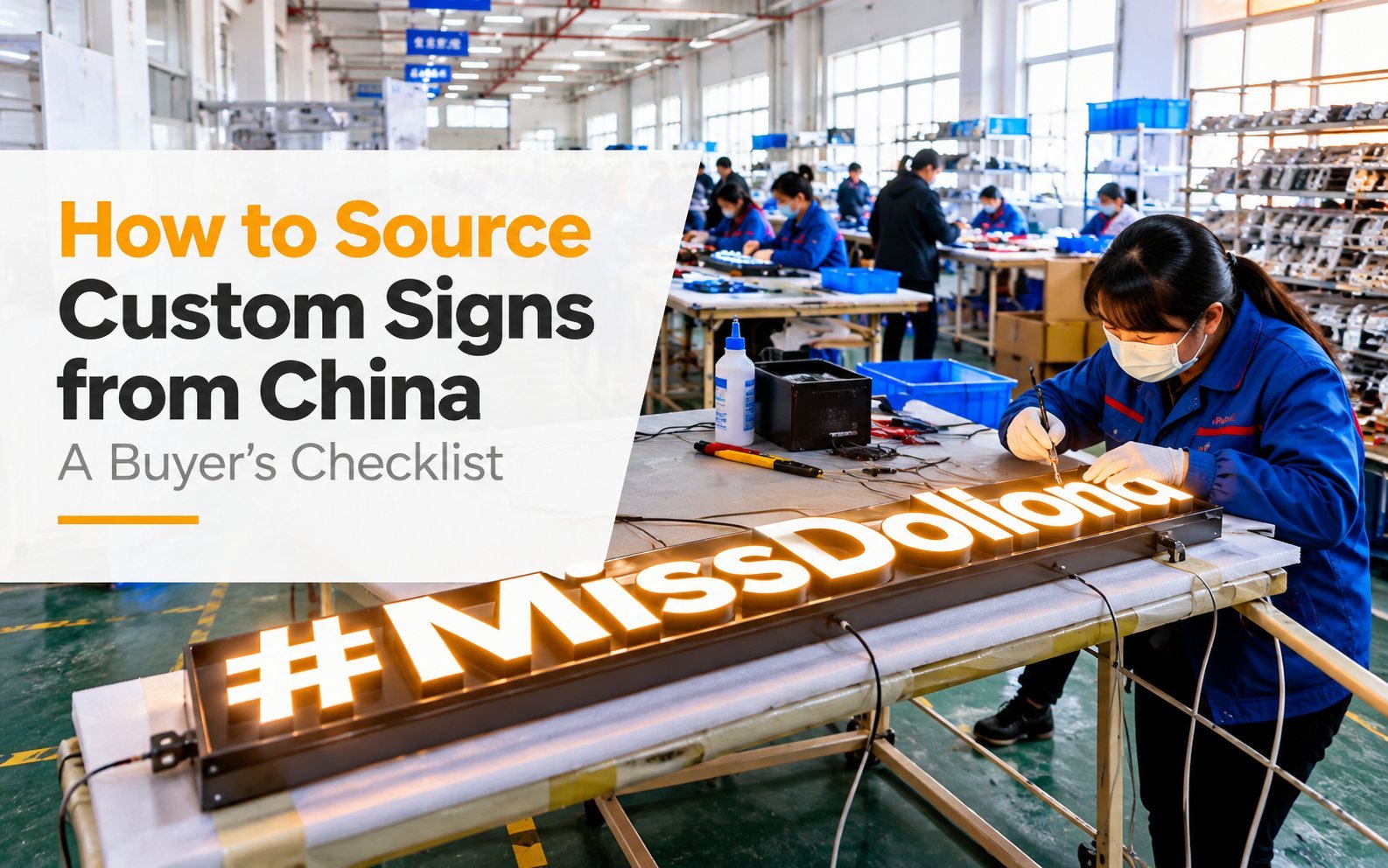
A factory burn-in test catches early electrical failures before shipment. Ask the manufacturer how long the finished sign is powered, which illumination and waterproof checks are recorded, and how rejected units are handled. Hicen completes cutting, bending, welding, painting, LED assembly, testing, and packing in house; learn more on the manufacturing process section.
LED Sign Maintenance Checklist
A simple twice-yearly routine can add years to an LED sign’s useful life.
Clean the Sign Faces Gently
Use a soft cloth, mild soap, and clean water. Avoid abrasive pads and aggressive solvents that can scratch acrylic or attack the finish.
Inspect Cables and Connections
Check for cracked insulation, exposed wire, loose glands, or storm damage. Electrical work should be handled by a qualified technician.
Keep Drainage Paths Clear
Blocked weep holes trap condensation inside the sign, allowing moisture to reach modules, wiring, and metal surfaces.
Check Mountings and Brightness
Tighten brackets and fixings as needed. Treat flickering, color shifts, or a dim section as an early warning rather than waiting for a complete failure.
When to Repair or Replace LED Signage
Isolated dark sections or flickering are often caused by a replaceable module or power supply. Fogging or water inside the sign indicates a sealing problem that should be fixed quickly. Widespread corrosion, cracked returns, delaminated faces, or extensive coating failure usually make replacement the better long-term value.
For repair planning, photograph the full sign, the affected section, cable entries, mounting points, and any visible moisture. This helps a manufacturer distinguish a localized electrical fault from structural deterioration.

Questions to Ask an LED Sign Manufacturer
- What LED brand, voltage, density, and expected operating life are specified?
- What is the power-supply rating and certification?
- Which metal, acrylic grade, thickness, and coating system will be used?
- What IP rating and sealing method suit the installation environment?
- Does every finished sign receive illumination, waterproof, and aging tests?
- Are replacement modules and drivers available after delivery?
- What does the warranty cover, and how are claims handled?
To evaluate how long does LED signage last for your project, a transparent supplier should answer each question with a project-specific specification instead of a single headline lifespan number.
LED Signage Buying Checklist
- Application: indoor or outdoor, viewing distance, mounting height, climate, and daily operating hours.
- Design: vector logo, outlined fonts, Pantone or brand colors, dimensions, and reference photos.
- Installation: wall material, available depth, power location, access, and local restrictions.
- Commercial details: quantity, budget, target date, destination, and shipping terms.
- Acceptance: artwork proof, material sample, test requirements, packing, warranty, and spare parts.
FAQs About LED Signage Lifespan
Can an LED sign really last 10 years?
Yes. A well-designed, correctly installed sign using quality LEDs, a properly rated driver, sealed construction, and suitable materials can remain in service for a decade or more.
What usually fails first in LED signage?
The power supply often needs replacement before the metal body. Individual LED modules can also fail, especially when heat, moisture, or voltage problems are present.
Does leaving an LED sign on all night shorten its life?
When buyers ask how long does LED signage last under continuous use, operating hours matter. More operating hours increase wear. A timer or lighting control can reduce unnecessary runtime while preserving nighttime visibility during business hours.
How often should outdoor LED signage be maintained?
How long does LED signage last outdoors depends heavily on inspection and cleaning. Inspect it at least twice a year and after severe weather. Coastal, dusty, or very wet locations may need more frequent cleaning and checks.
How can I get a durable LED sign specification?
Send your logo, target size, installation photos, location, and operating hours. Hicen can recommend materials, lighting, sealing, and mounting for the environment. Contact Hicen for a project review and quote.
For background on LED efficiency and operating life, see the U.S. Department of Energy LED lighting guide.
Final Takeaway
The answer to “how long does LED signage last?” is usually 8 to 12 years, but component quality, environment, manufacturing, installation, and maintenance determine the real result. Specify the build for the site, verify the factory’s test process, and inspect the sign regularly to protect its brightness and structural integrity.