Signage materials determine durability, appearance, installation load and cost. Among structural signage materials, stainless steel gives you a premium metal appearance and strong, grade-dependent corrosion resistance. Aluminum gives you the lightest structural metal and the easiest forming into large letters. Acrylic carries light and colour on your illuminated faces. Expanded PVC board gives you a light, economical panel. Match the material to your environment, size, brand look and target service life. No single option wins on every project.
Compare signage materials like with like. Structural metals, illuminated faces and panel boards do different jobs. Ranking them on one scale hides that.
Grade beats material name. "Stainless steel" and "PVC" each cover several products with very different limits.
Ask for the product code. Then ask for the data sheet, the test standard and the warranty behind every claim.
Who this is for. Sign companies and brand teams specifying materials. Distributors and installers will find the same questions useful, though your documentation needs differ.
Four Signage Materials at a Glance
| Material | Role | Relative weight | Outdoor suitability | Key risk | Relative cost |
|---|---|---|---|---|---|
| Stainless steel | Structural, premium finish | Heaviest | Strong, grade-dependent | Crevice corrosion at poor welds and fasteners | Highest |
| Aluminum | Structural, large letters | Light | Good with a properly specified coating system | Pretreatment and coating quality | Moderate |
| Acrylic | Illuminated face, not primary structure | Light | Depends on UV grade | Yellowing without UV stabilisation | Moderate |
| Expanded PVC board | Panel face, indoor first | Lightest | Grade-dependent, exterior grades exist | UV, heat and thickness limits by product | Lowest |
Read these as relative comparisons for typical signage use, not absolute rankings. Corrosion performance in particular depends on the whole system, so a properly specified coated aluminum assembly can outperform a poorly detailed stainless one.
Inputs to Prepare Before Selecting a Material
Before selecting signage materials, remember that no supplier can give you a responsible recommendation from a logo file alone. Prepare your sign dimensions and return depth, your exposure category, any local wind-design requirement, your mounting substrate, whether the sign is illuminated, your target service life, your maintenance access after install, your destination-market regulations and your budget tier. Bring these to the first conversation.
Stainless Steel

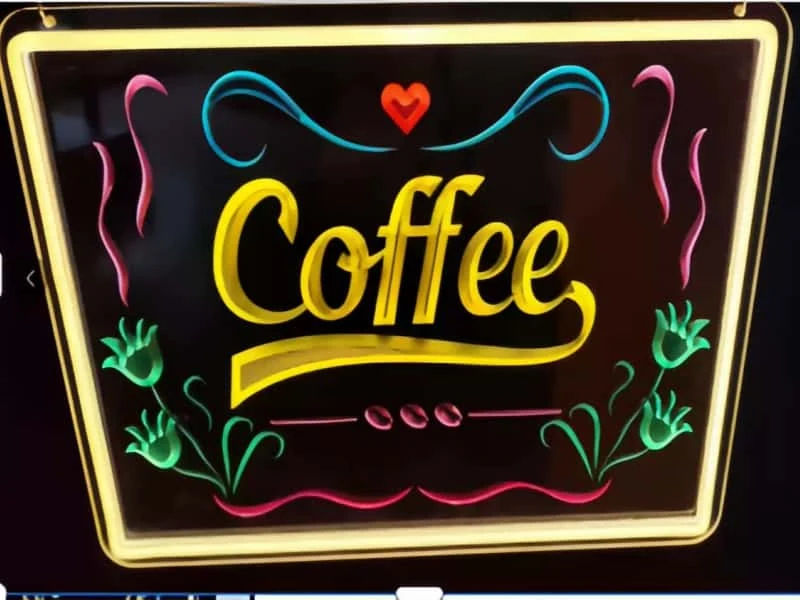
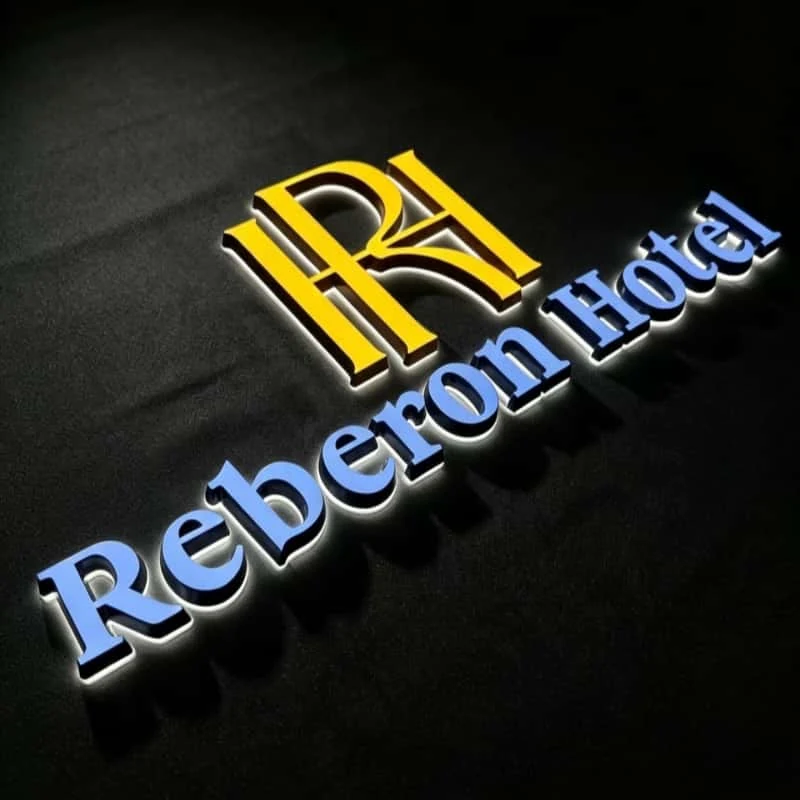
Stainless steel gives you a premium metal appearance and strong corrosion resistance for the grade you specify. Pick the grade for your site and design rather than applying a fixed rule. 304 and 316 are common signage grades. 316 generally resists chlorides better. Real performance also depends on surface finish, fastener compatibility, weld passivation, drainage design and cleaning frequency. Mixing metals can drive galvanic corrosion. Do not accept "316 for coastal" without those factors.
Standard fit: storefront letters, lobby signage, premium outdoor installs.
Ask for: exact grade, finish, fastener material, passivation treatment and drainage detailing for your design.
Aluminum
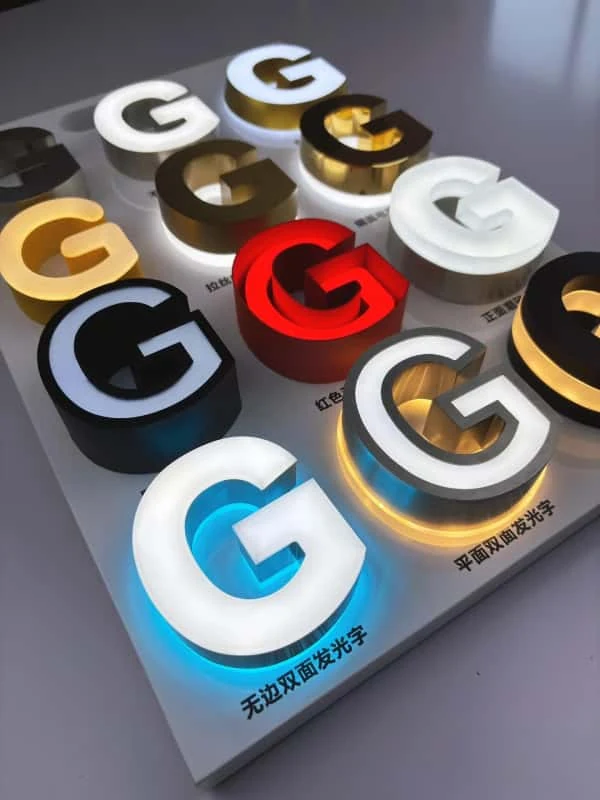
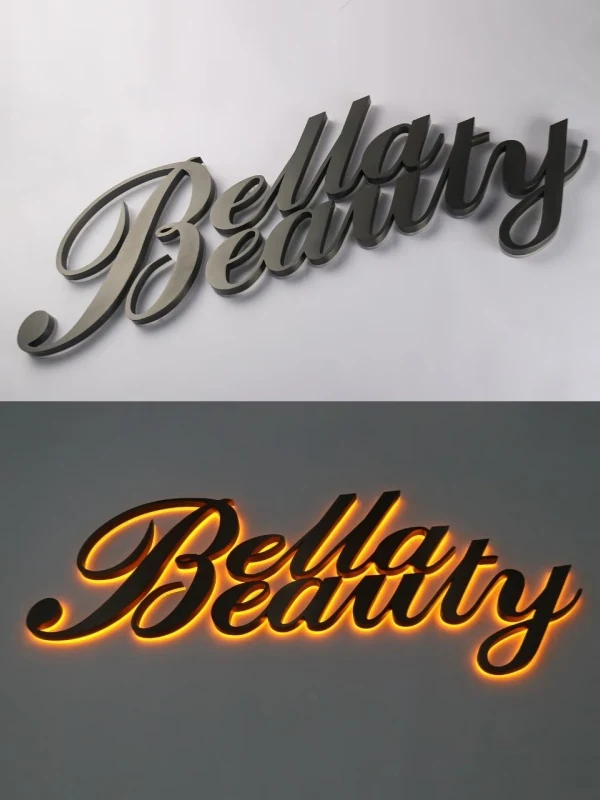
Of the structural signage materials compared here, aluminum gives you the lightest metal option. It forms more easily into large letters and extrusions. Powder coating is the common outdoor finish. How well it holds colour depends on alloy and temper, surface pretreatment, the powder system, target film thickness and applicator quality. The phrase "powder coated" tells you none of that. Do not accept an unqualified service-life promise.
Standard fit: large channel letters, sign cabinets, wind-load-sensitive installs.
Ask for: alloy, pretreatment method, powder system, target film thickness, colour tolerance, and the test or warranty scope behind any coating claim.
Acrylic
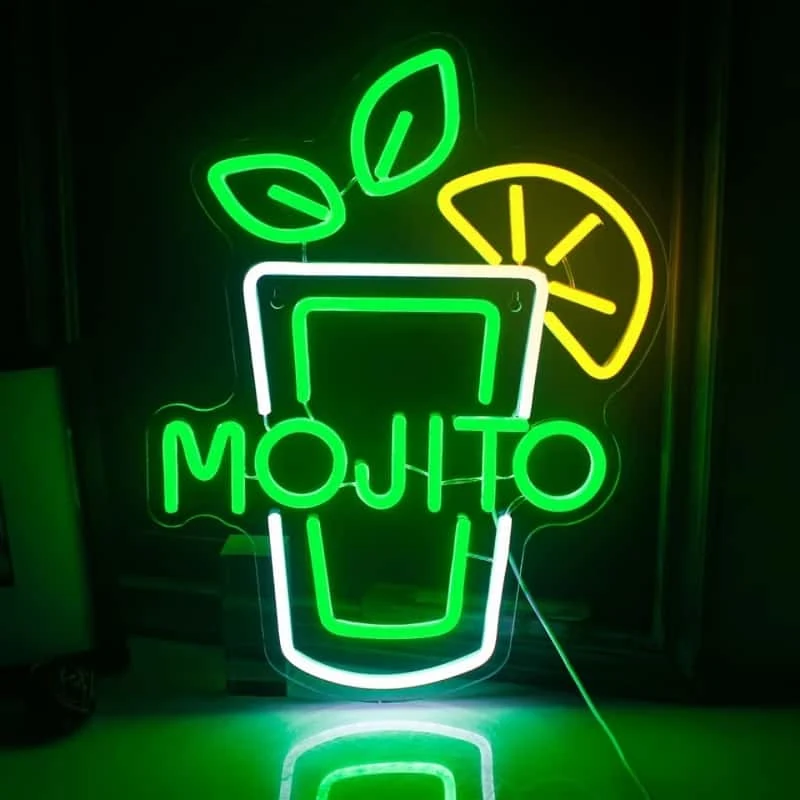
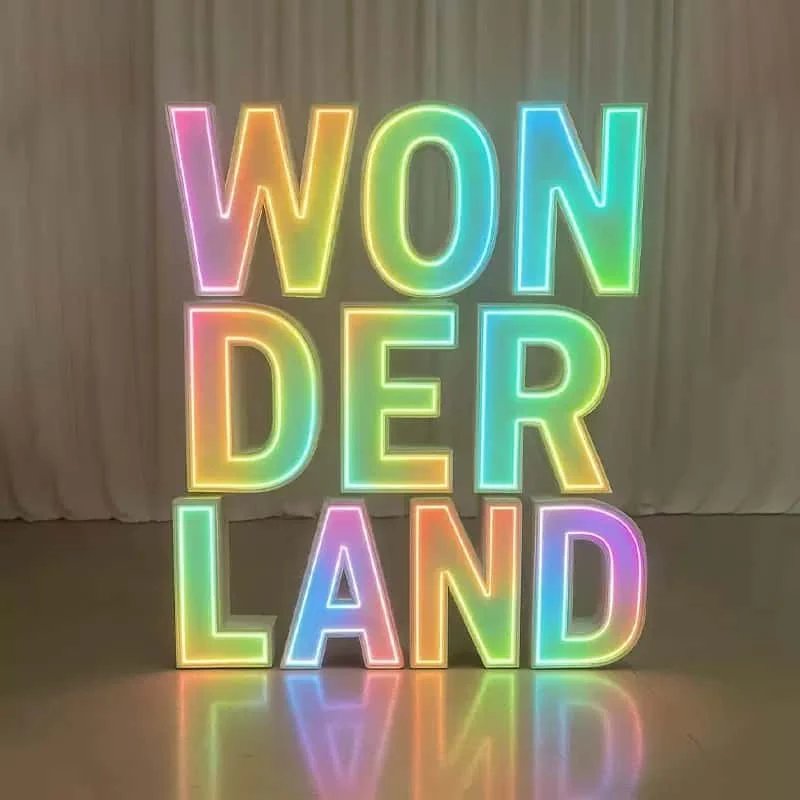
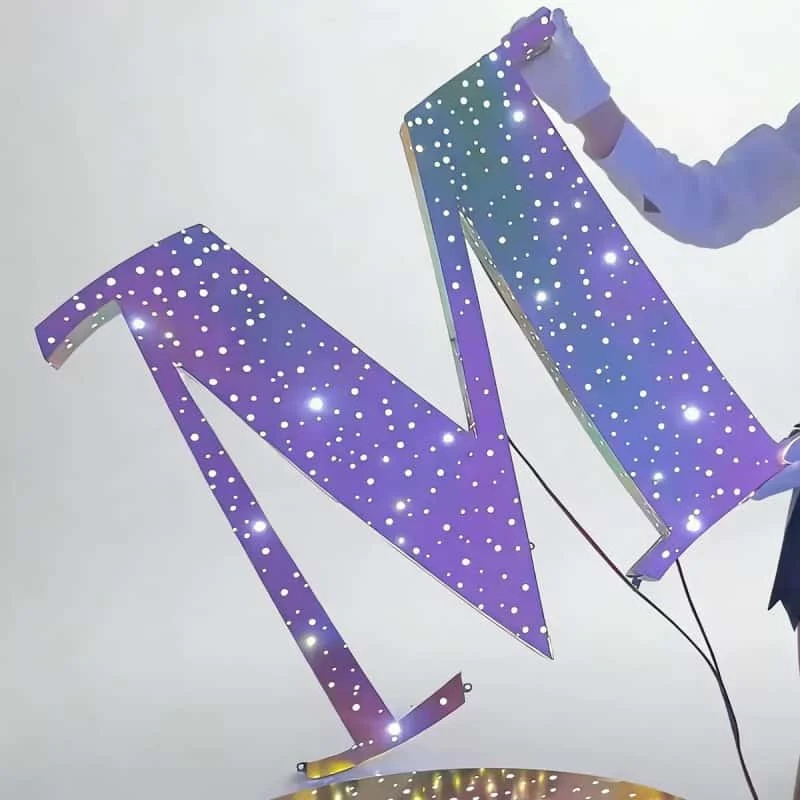
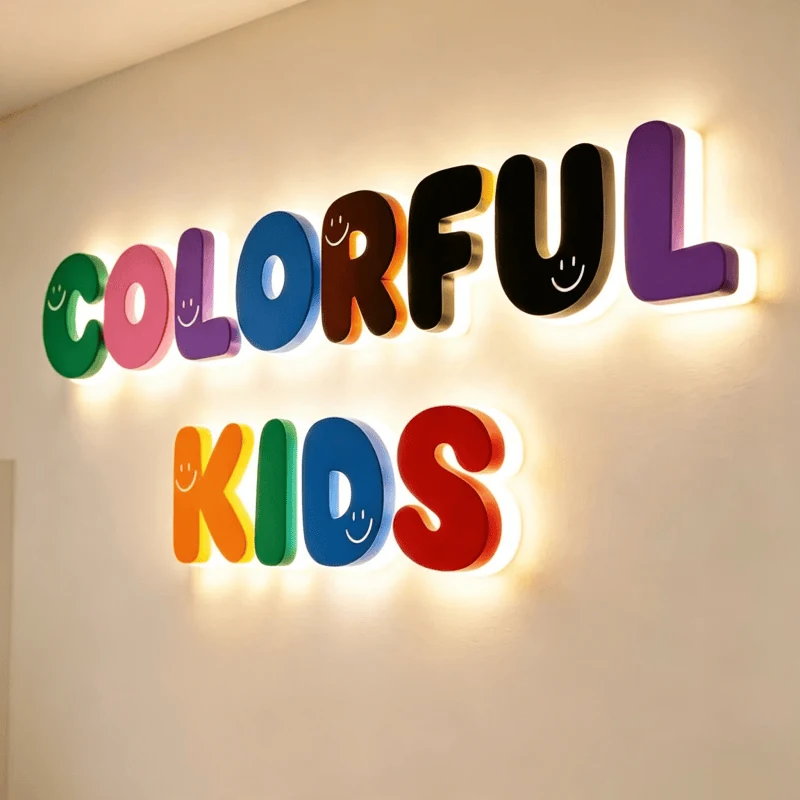
For illuminated signage materials, acrylic is the face material that carries light and colour. Do not treat it as the primary load-bearing element in a channel-letter assembly. Small flat panels are a different case. Cast and extruded acrylic behave differently in forming and optical consistency, so ask which one your supplier is quoting. Tie UV stability, light transmission, haze and colour consistency to the manufacturer's grade or product code. A generic "acrylic" description tells you nothing. An unstabilised or low grade can yellow or embrittle outdoors.
Standard fit: illuminated letter faces, light box panels.
Ask for: cast or extruded, grade code, nominal transmission and colour, UV and outdoor warranty, thickness tolerance, and a sample approved under your actual LEDs rather than a swatch under daylight. Our guide to light sources for acrylic glowing signs covers how source choice changes the result.
Expanded PVC Board
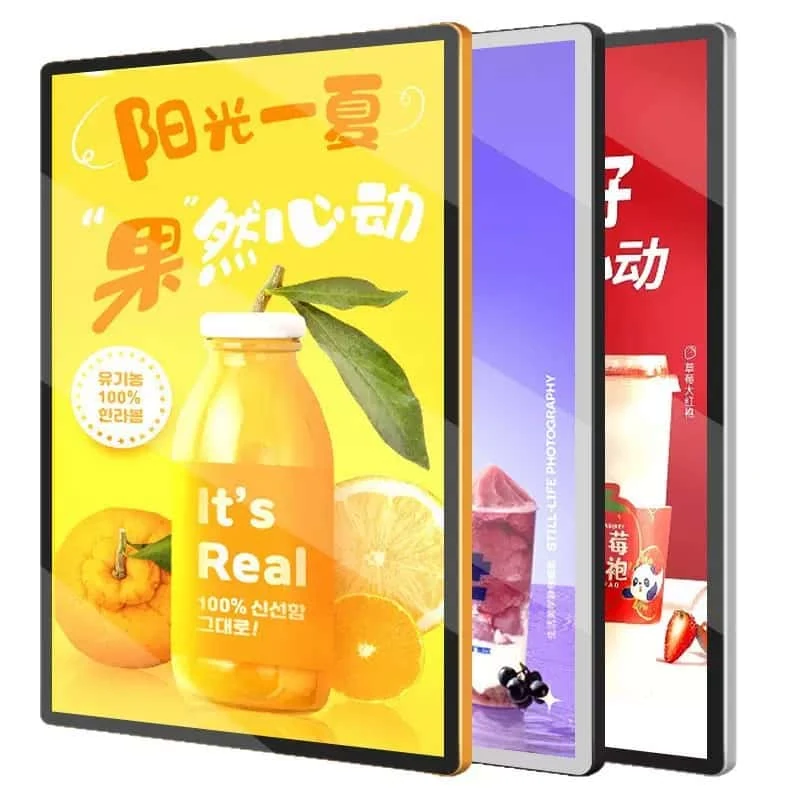
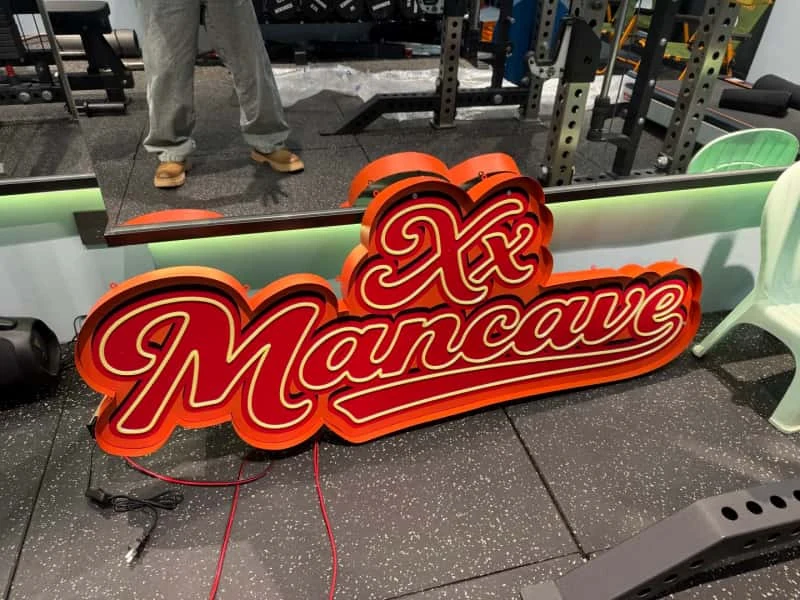
PVC signage materials vary by product form and grade. Expanded PVC boards are lightweight and economical, and some grades are specifically approved for exterior or extended use. Standard indoor grades, thin unsupported sheets and flexible banner materials have different limits. Confirm the exact product code, thickness, UV stabilisation, temperature range, structural support, fire classification and exterior-use warranty before you specify PVC outdoors.
Fire performance is not a property of the polymer. Test methods differ by country, venue and application, and a classification can change with thickness, colour and installation method. Ask for the exact product code, the test standard, the thickness and colour range covered, the report number, and whether your destination jurisdiction accepts it.
Standard fit: indoor signage, short-term displays, budget-sensitive projects, and exterior work where the specific board is approved for it.
Ask for: the manufacturer's product code and technical data sheet, density, thickness, exterior-use guidance, fire classification with report number, and temperature range.
A note on flexible PVC. Banner and vinyl materials are printed graphics, not panel substrates. They are not comparable to expanded board on structure, density, weathering, fire classification or cost, so keep them out of this comparison and specify them separately.
Combination Structures and Illuminated Signs
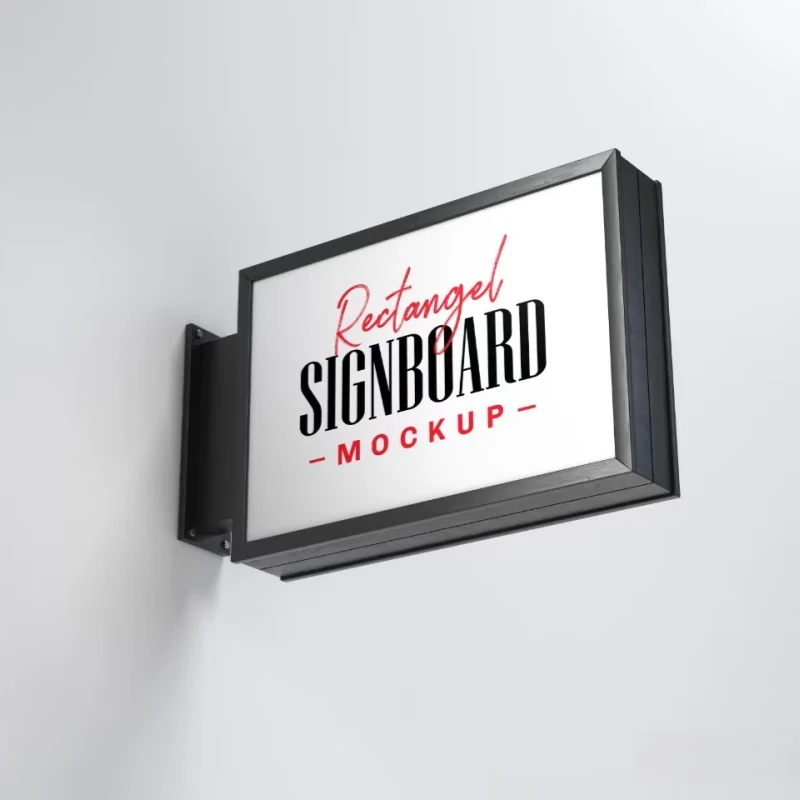
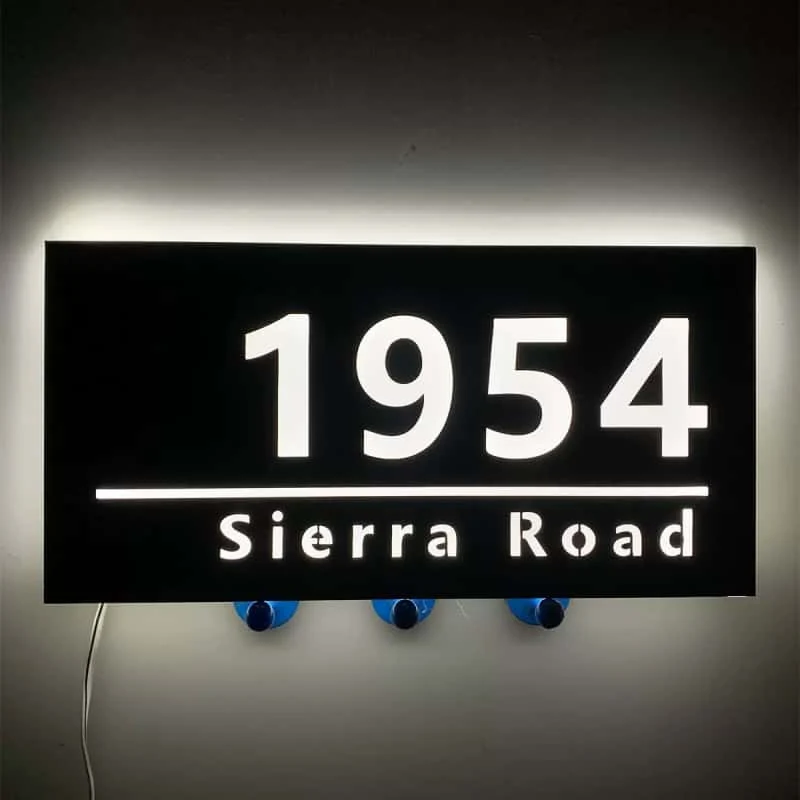
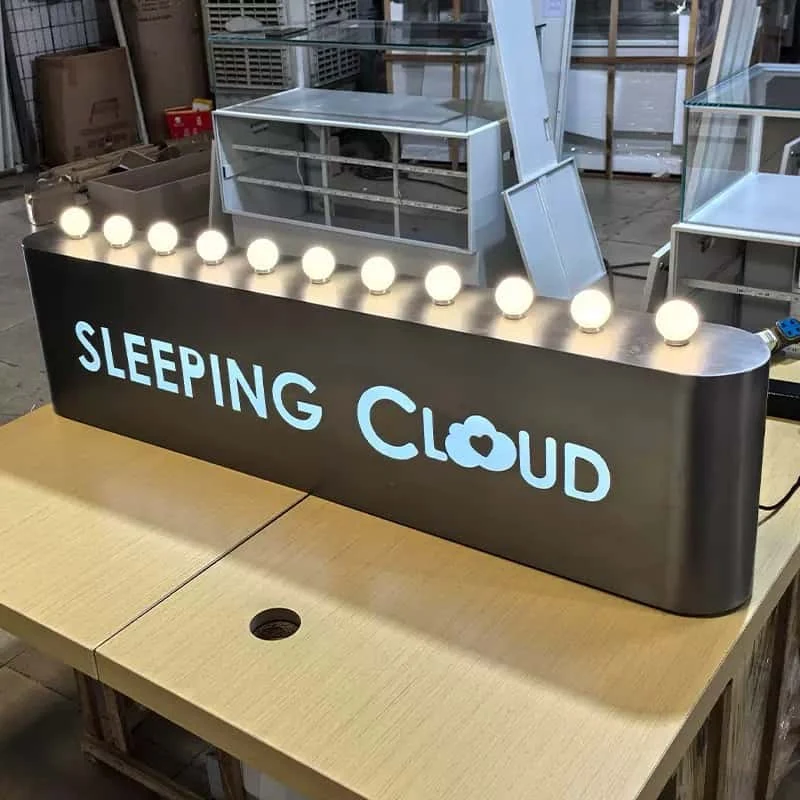
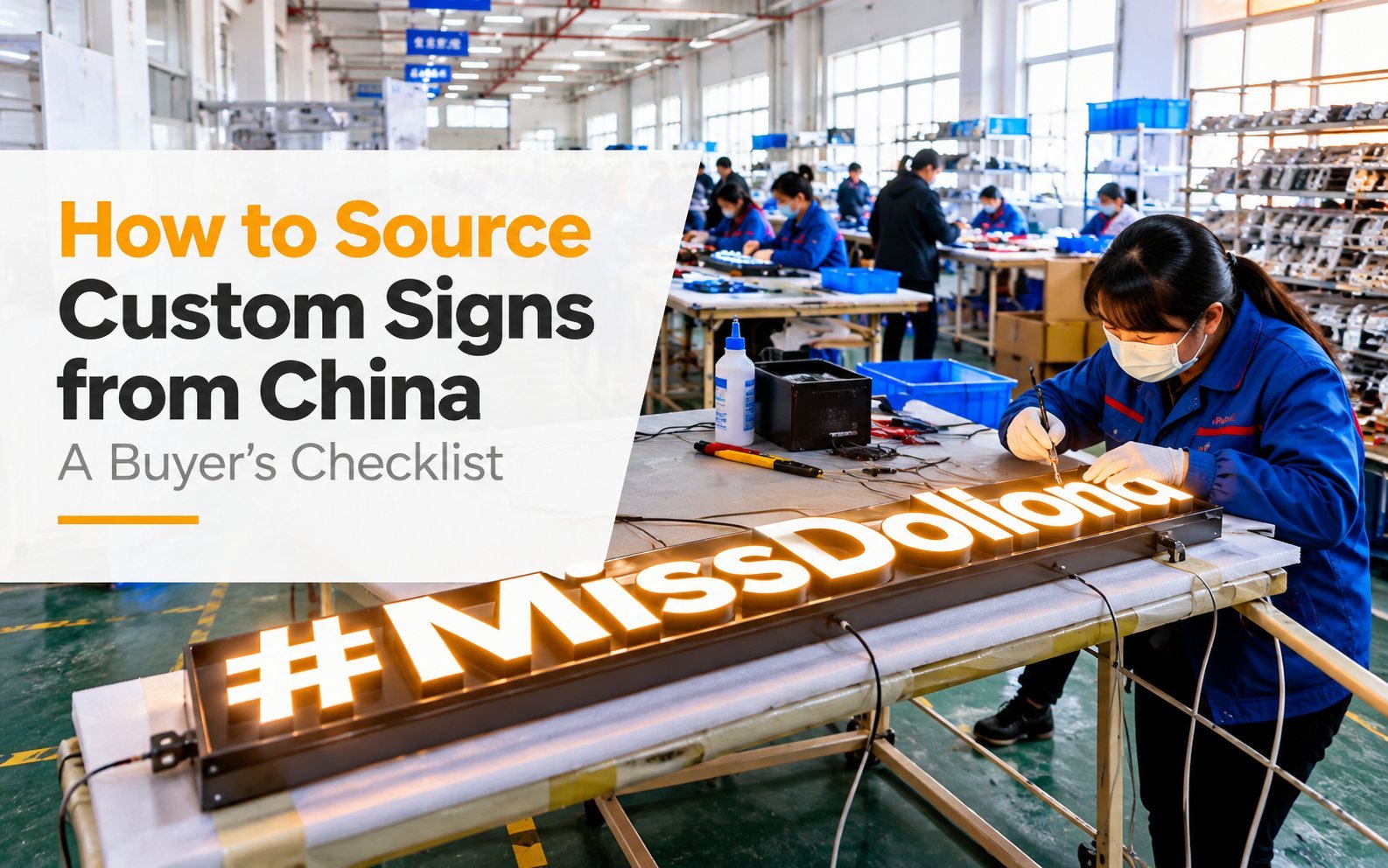
Most projects combine signage materials. Illuminated letters typically pair a metal return with an acrylic face. We manufacture aluminum returns, back panels and acrylic faces in house. Ask any supplier which parts they make in house and which they source. Ask how they seal the metal-to-acrylic joint, because that joint often fails first.
For any illuminated sign, also confirm the LED and power-supply components rated for your voltage, the driver location and thermal management, how cable entries and drainage are handled, the test basis behind any ingress-protection claim, and your service access for maintenance. Our channel letter selection guide and signage service life guide cover both sides of that decision.
Total Cost of Signage Materials, Not Just Material Price
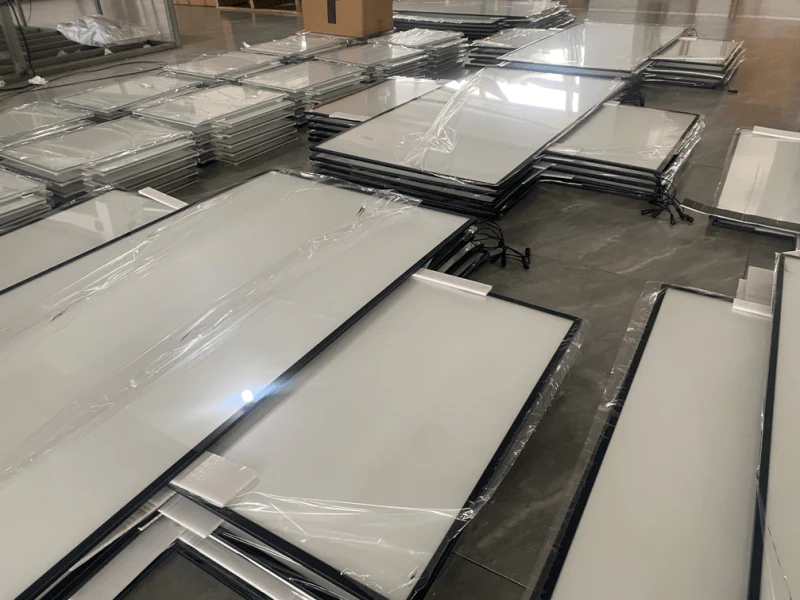
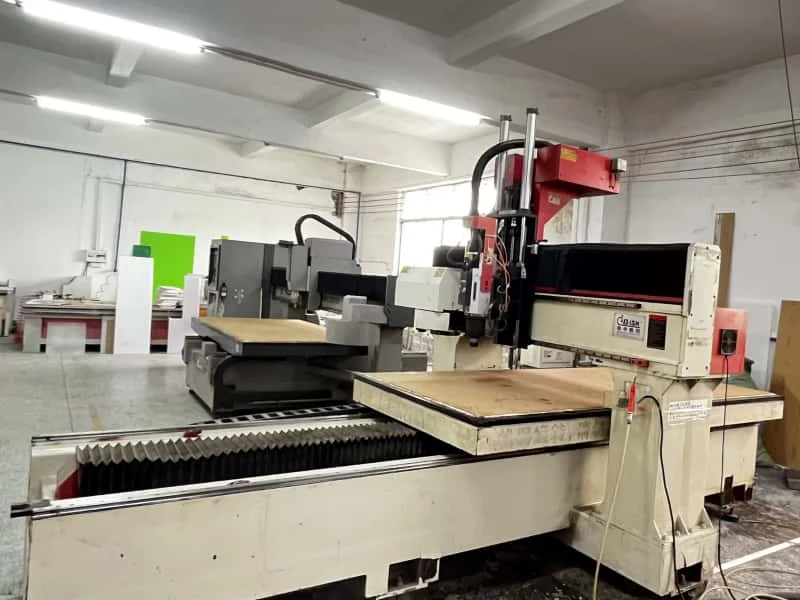
Material price is one line item. Lighter materials like aluminum and expanded PVC can cut freight and installation cost. Heavier stainless steel adds handling and structural cost. Premium finishes such as mirror stainless or complex coatings usually raise both purchase price and long-term maintenance. Weigh material price against fabrication, freight, installation, maintenance and eventual replacement. Our signage cost guide breaks down where the money actually goes.
Choosing Signage Materials by Scenario
| Scenario | Candidate direction | Confirm |
|---|---|---|
| Coastal outdoor | Stainless 316, or coated aluminum | Chloride exposure level, grade, alloy, pretreatment, coating system, film thickness, fastener compatibility |
| Industrial outdoor | Stainless, or coated aluminum | The specific contaminants on site, plus the complete finish and fastener system |
| Large outdoor letters, standard climate | Coated aluminum | Coating system, film thickness and maintenance interval |
| Illuminated face, any location | Acrylic, metal frame if outdoors | UV-stability grade and transmission for outdoor use |
| Premium storefront | Stainless steel | Finish choice, since mirror needs more upkeep than brushed |
| Indoor or short-term display | Expanded PVC board | Product code and fire classification accepted by the venue |
Each row is a starting direction, not a finished specification. Tell us your exposure category, size, brand style, budget and target life, and we will narrow it with you.
Compliance and Local Approvals
We document what we make: material, finish and, where applicable, test evidence for the components we supply. Local sign permits, structural and wind or seismic design approval, electrical listing and inspection, fire code, accessibility rules and landlord restrictions stay with you, your installer or your local authority.
Certification names are not interchangeable. CE marking is not a certificate issued by a central EU authority. Where applicable EU legislation requires it, the manufacturer completes the conformity assessment, prepares technical documentation, issues an EU Declaration of Conformity and affixes the marking. Ask which legislation, standards and configurations the declaration covers. UL distinguishes a Listed finished product from a Recognized Component intended for use inside a certified end product, which carries Conditions of Acceptability. Ask which applies to what you are ordering. ISO 9001 certifies a quality-management system, not any individual sign. RoHS is substance-restriction compliance tied to your bill of materials. SGS is a testing and inspection provider, so the name alone tells you nothing about scope. For each claim, ask for the file or report number, the model and configuration covered, the standard, and current validity. Have a qualified compliance professional confirm requirements for your market.
How to Verify Our Manufacturing and QC
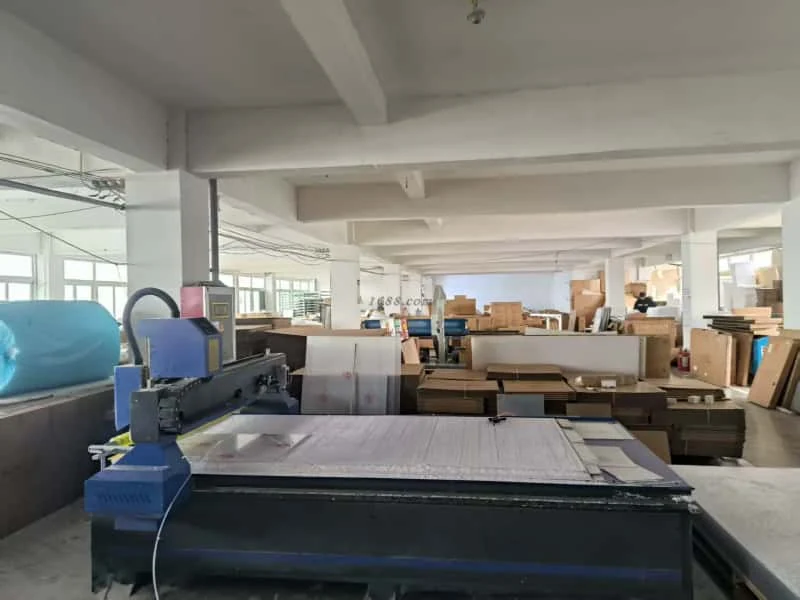
Hicen manufactures channel letters, LED light boxes, LED neon signs and metal signage in Dongguan, China. We cut, bend, weld and finish aluminum returns, back panels and acrylic faces on our own lines, in a facility our company profile puts at over 20,000 square metres with more than 100 fabrication machines, reviewed 6 August 2026.
Quality control runs five stages: incoming material inspection, in-process patrol, semi-finished sampling, finished-product inspection, and a final recheck before packing. We do not publish one universal cutting tolerance, because it varies by material, thickness and part geometry. Ask for the drawing tolerance that governs your part. You can review both the manufacturing process and quality control pages, and the finish options on our metal signs page.
Compare Every Quote on These Fields
Use identical fields across every supplier quote:
Material code and grade, plus gauge or thickness
Finish system, including pretreatment and film thickness
LED and power-supply specification if illuminated
Ingress-protection approach and its test basis
Mounting method and packaging
Warranty terms, Incoterm, lead time, and what is explicitly excluded
A lower price on a different specification is not a lower price.
Your Sourcing Decision Checklist
Application: indoor or outdoor, climate, exposure category, target service life
Design files: vector logo, colours, dimensions, return depth
Installation conditions: wall material, mounting, access, local restrictions
Commercial terms: quantity, budget, delivery date, Incoterm, destination
Acceptance conditions: renderings, samples, warranty scope
Your logos, drawings and site photos can carry sensitive information. Share only what an accurate quote requires.
What This Means for Your Project


Weigh your environment and target life, your brand's finish requirements and your budget together. Do not pick a material in isolation, and do not let a material name stand in for a grade.
Send us your rendering or concept with the inputs above. We will come back with a preliminary material and fabrication recommendation, a finish proposal, a quotation and a lead-time estimate. Final structural design, wind loading and local code compliance should be confirmed by your installer or engineer. Talk to us about your project, or browse finished examples in our product range.
Sources and Review Date
Company capability, process and quality statements in this article come from our own manufacturing process, quality control and company profile pages, reviewed 6 August 2026. Material behaviour is described in general terms for typical signage use. Confirm grade-specific claims against the sheet manufacturer's technical data and the standards that apply in your market.
FAQs
What should I confirm first about stainless steel?
Grade, finish and fastener compatibility. Corrosion resistance depends on all three together, plus weld quality and drainage, not on the grade number alone.
Is expanded PVC suitable outdoors?
It depends on the product. Some expanded PVC boards are specifically approved for exterior or extended use, while standard indoor grades are not. Ask for the product code, the manufacturer's exterior-use guidance, thickness, UV stabilisation and temperature range rather than deciding from the word PVC.
What should I send before requesting a quote?
Dimensions, exposure category, mounting details, illumination, target life and budget, plus your design files. Sending all of it gets you a specification-matched quote on the first pass instead of several rounds of clarification.