Signage material selection is not a contest to find one universally superior sheet or metal. It is a design decision that connects the sign’s location, structural size, illumination method, desired finish, maintenance access and budget. Stainless steel, aluminum, acrylic and expanded PVC each solve a different part of that brief.
A disciplined signage material selection process starts with the component’s role. For a premium fabricated letter, stainless steel may lead. For a large lightweight channel letter, aluminum often makes more sense. Acrylic is normally the optical face rather than the structure, while expanded PVC is an economical board for indoor and selected short-duration applications. The right answer may use two or three of these materials in one assembly.
This guide gives sign companies, contractors and brand teams a practical way to narrow the choice, compare supplier quotations on equal terms and identify the evidence that should accompany a material recommendation.
Start With the Sign’s Job, Not the Material Name
Before asking which material is best, define what the component must do. Is it carrying load, forming a return, transmitting light, presenting a printed graphic or providing a premium exposed finish? A metal shell and an illuminated face cannot be compared as if they were substitutes.
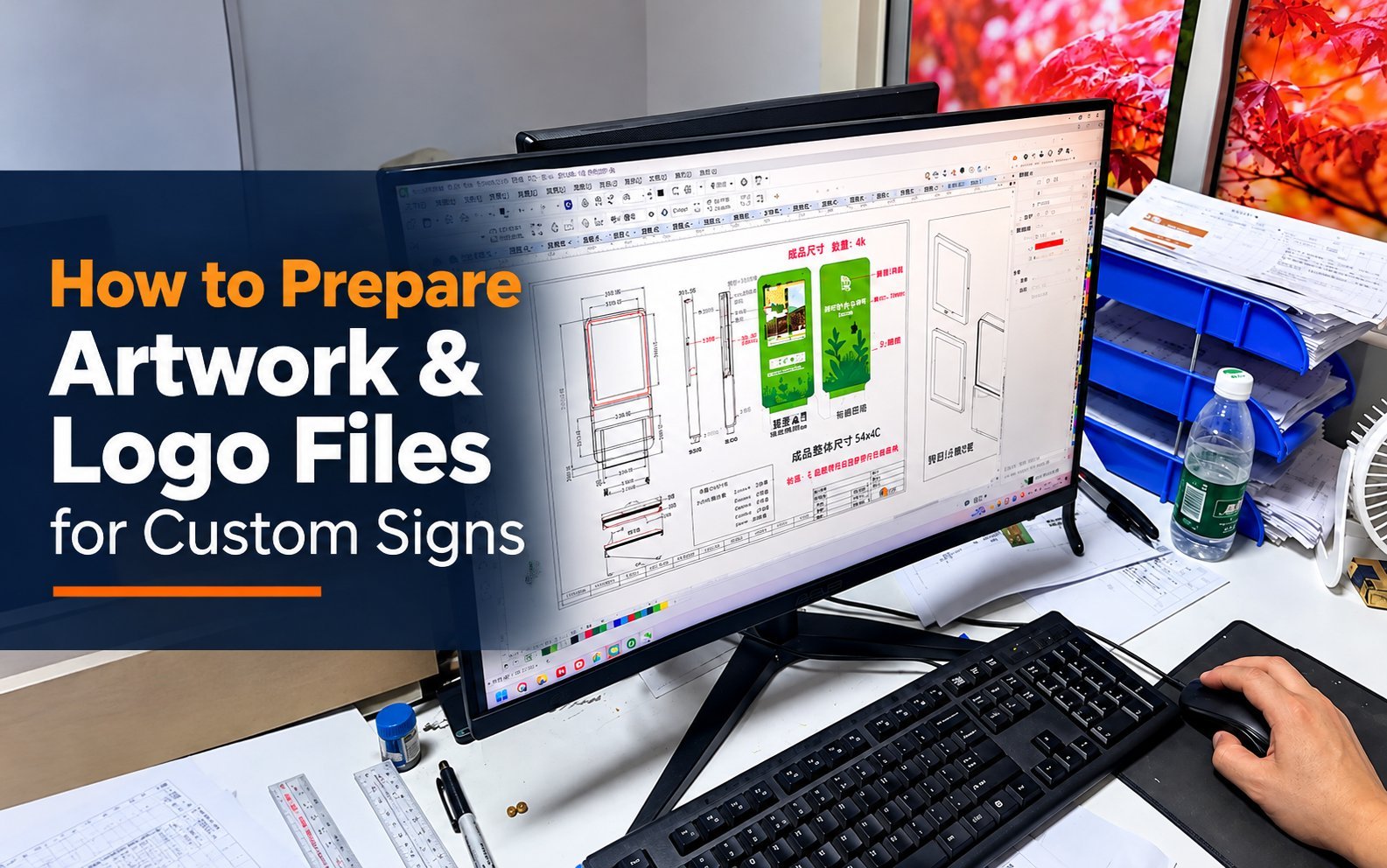
Prepare the overall dimensions, return depth, indoor or outdoor location, climate and exposure, mounting substrate, illumination method, desired service life, maintenance access, destination-market requirements and budget tier. Add the local wind or seismic design criteria where applicable. A logo file by itself is not enough for a responsible recommendation.
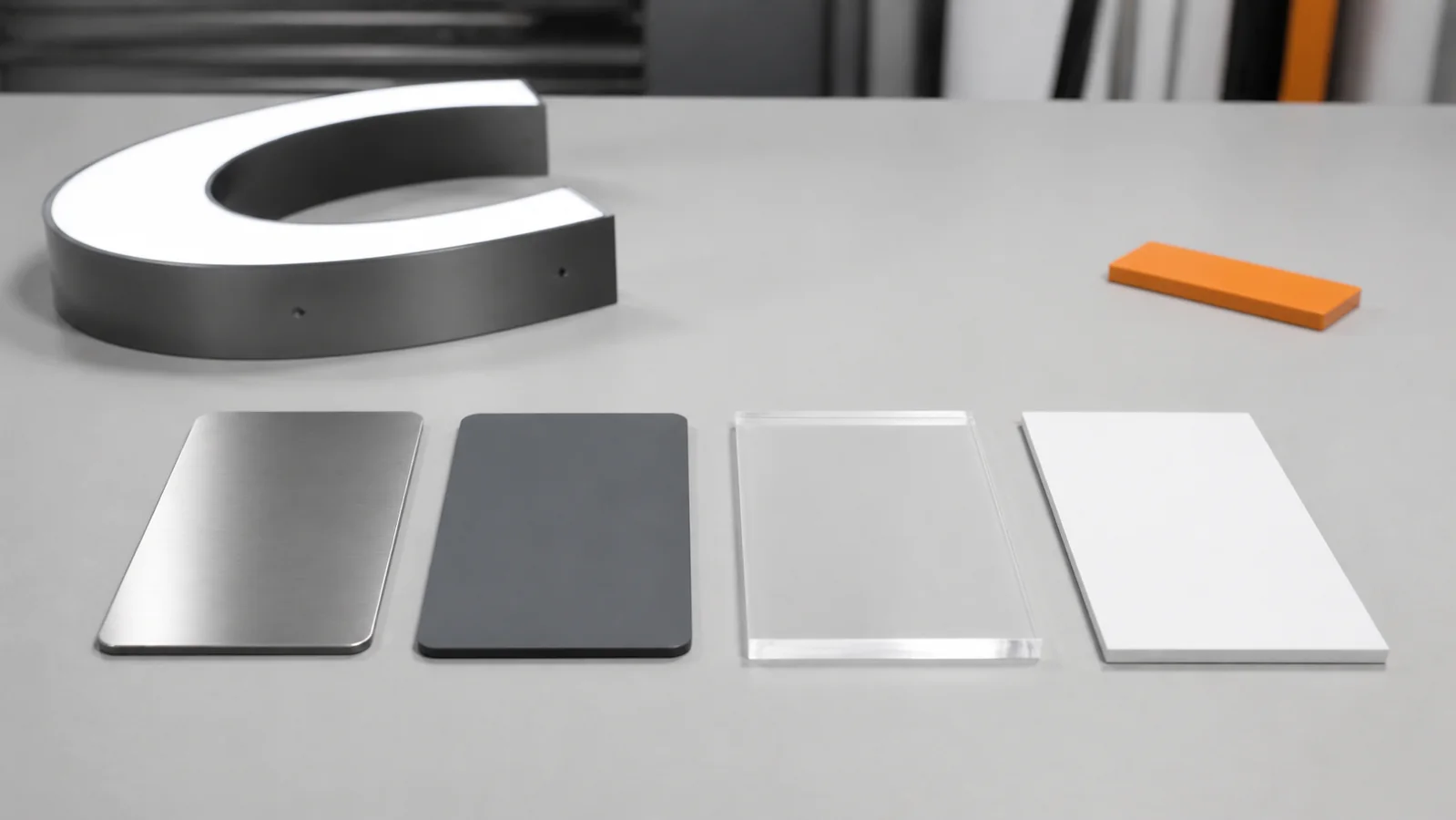
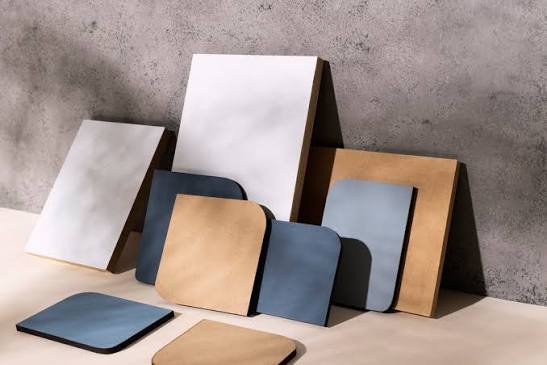
Quick Material-Matching Matrix
| Material | Best role | Weight | Outdoor potential | Main specification risk | Relative cost |
|---|---|---|---|---|---|
| Stainless steel | Premium structure and exposed finish | Heaviest | Strong when the grade and details suit the site | Grade, weld, drainage and fastener mismatch | Highest |
| Aluminum | Large letters, returns and cabinets | Light | Good with a complete coating system | Pretreatment and coating quality | Moderate |
| Acrylic | Illuminated faces and optical panels | Light | Depends on the UV-stabilized grade | Yellowing, brittleness and colour variation | Moderate |
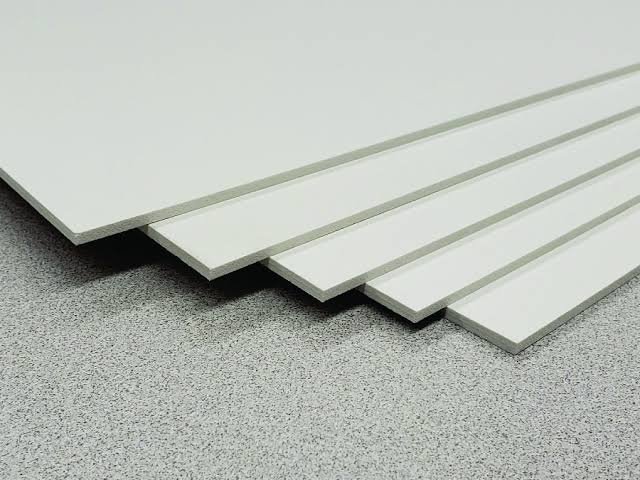
| Expanded PVC board | Indoor panels and budget displays | Lightest | Product- and grade-dependent | Heat, UV, thickness and support limits | Lowest |
Use this signage material selection matrix as a starting point. A well-pretreated, properly coated aluminum assembly can outperform poorly detailed stainless steel. Likewise, an exterior-rated expanded PVC board should not be confused with a thin indoor sheet or flexible banner vinyl.
When Stainless Steel Is the Better Choice
Choose stainless steel when visual weight, a premium metal surface and grade-dependent corrosion resistance are central to the design. It is a common candidate for storefront letters, lobby identities and long-life exterior installations. Brushed finishes tend to be easier to maintain than mirror finishes, which reveal fingerprints, water marks and surface imperfections more readily.
The words “stainless steel” are not a finished specification. Grades 304 and 316 are common in signage, and 316 generally offers better resistance in chloride exposure. Performance still depends on weld treatment, passivation, crevice design, drainage, cleaning and compatible fasteners. Contact between dissimilar metals can introduce galvanic corrosion.
Request from the supplier: the exact grade, sheet thickness, finish code, fastener material, weld and passivation process, plus drainage detailing for the approved drawing. Hicen’s custom metal sign options show the range of fabricated letter forms and finishes that can be specified.
When Aluminum Has the Advantage
Aluminum is the lightest structural metal in this comparison. It is easier to form into large returns, extrusions and cabinets, reducing handling load and often simplifying freight and installation. That makes it a strong candidate for large custom channel letter systems and projects where weight matters.
Outdoor durability comes from the complete finish system rather than the phrase “powder coated.” Alloy and temper, cleaning, conversion or mechanical pretreatment, powder chemistry, film thickness, curing and applicator control all affect colour retention and adhesion. Ask which test method and warranty scope support any service-life statement.
Request from the supplier: alloy and temper, gauge, pretreatment method, coating manufacturer and system, target film thickness, colour tolerance and acceptable inspection criteria.
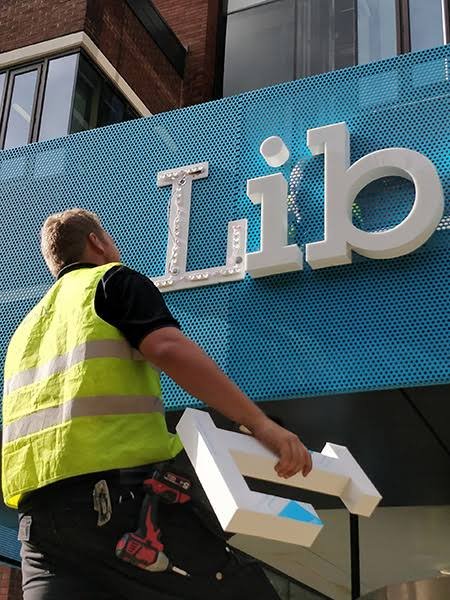
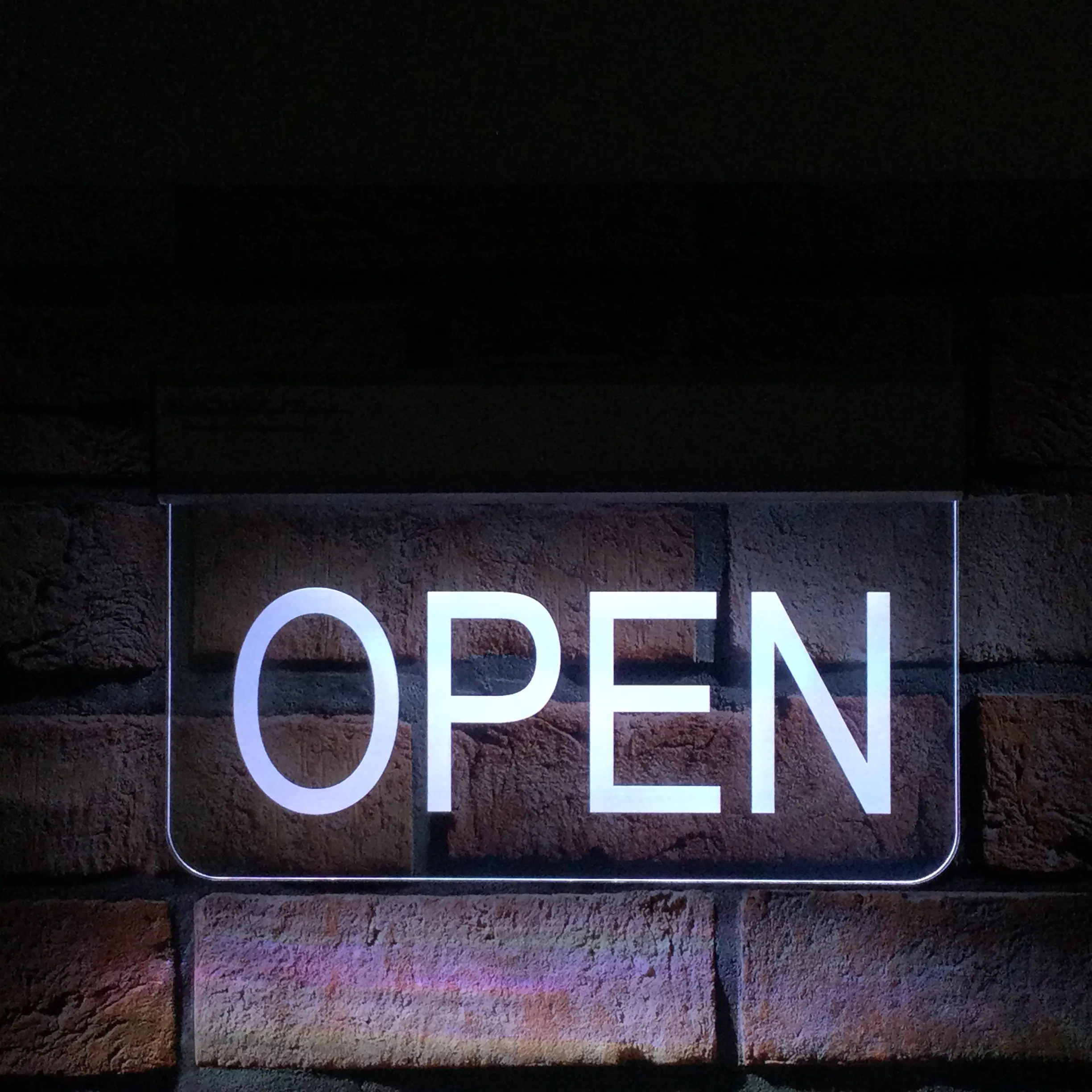
Acrylic Is an Optical Material First
Acrylic is normally selected to transmit, diffuse or carry light and colour. In an illuminated letter it is the face, not the primary load-bearing shell. Cast and extruded acrylic do not behave identically during forming, machining or optical inspection, so the manufacturing route matters.
Tie light transmission, haze, colour consistency and UV resistance to a named manufacturer grade or product code. Approve the sample under the actual LED colour temperature, spacing and sign depth because a daylight swatch cannot predict the installed appearance. Our guide to lighting acrylic signs explains how the source and diffuser interact.
Request from the supplier: cast or extruded construction, grade code, nominal transmission and colour, thickness tolerance, UV or outdoor warranty and an illuminated approval sample.
Where Expanded PVC Board Fits
Expanded PVC board is light, easy to machine and economical. It is commonly used for indoor identification, printed panels, temporary promotions and budget-sensitive display work. Certain manufacturer grades are approved for exterior or extended use, but the word PVC alone does not prove outdoor suitability.
Confirm density, thickness, support spacing, UV stabilization, temperature range and the manufacturer’s exterior-use statement. Fire classification also belongs to the exact product, thickness, colour and installation method. Ask for the report number and verify that the destination venue or authority accepts the referenced test standard.
Flexible PVC banner and vinyl products are printed graphic media, not structural panel boards. Keep them outside this comparison and specify them separately.
Material Combinations for Illuminated Signs
Most illuminated signs combine materials. A typical channel letter may use an aluminum or stainless return, a metal back, an acrylic face, LEDs, a power supply, sealants and mounting hardware. The joint between metal and acrylic, wire entries, drainage paths and driver location often determine reliability more than any single sheet specification.
Confirm the voltage, LED and power-supply models, thermal management, service access and the test basis behind any ingress-protection claim. Use the channel letter selection checklist for the full assembly, and review the outdoor sealing guide before approving exposed installations.
Choose by Project Scenario
| Project condition | Candidate direction | What still needs confirmation |
|---|---|---|
| Coastal exterior | 316 stainless or a specified coated-aluminum system | Chloride exposure, drainage, fasteners, pretreatment and coating scope |
| Large exterior letters | Coated aluminum | Structural design, film thickness, colour tolerance and maintenance interval |
| Illuminated face | UV-stabilized acrylic with a metal frame outdoors | Transmission, colour, grade, LED layout and approval sample |
| Premium lobby or storefront | Stainless steel | Brushed versus mirror finish and cleaning expectations |
| Indoor panel or short campaign | Expanded PVC board | Thickness, support, print method and venue fire requirements |
Compare Total Installed Cost
Good signage material selection compares total installed cost, not sheet price alone. Material price is only one part of the commercial decision. Weight affects freight, handling, brackets and installation time. Premium finishes can raise fabrication and maintenance costs. Low-cost panels may need earlier replacement. Compare fabrication, packing, freight, installation, cleaning, service access and expected replacement—not sheet price alone. The LED signage cost guide breaks down the main pricing drivers, while the signage lifespan and maintenance guide helps frame the target service period.
Verify Manufacturing, Quality and Compliance
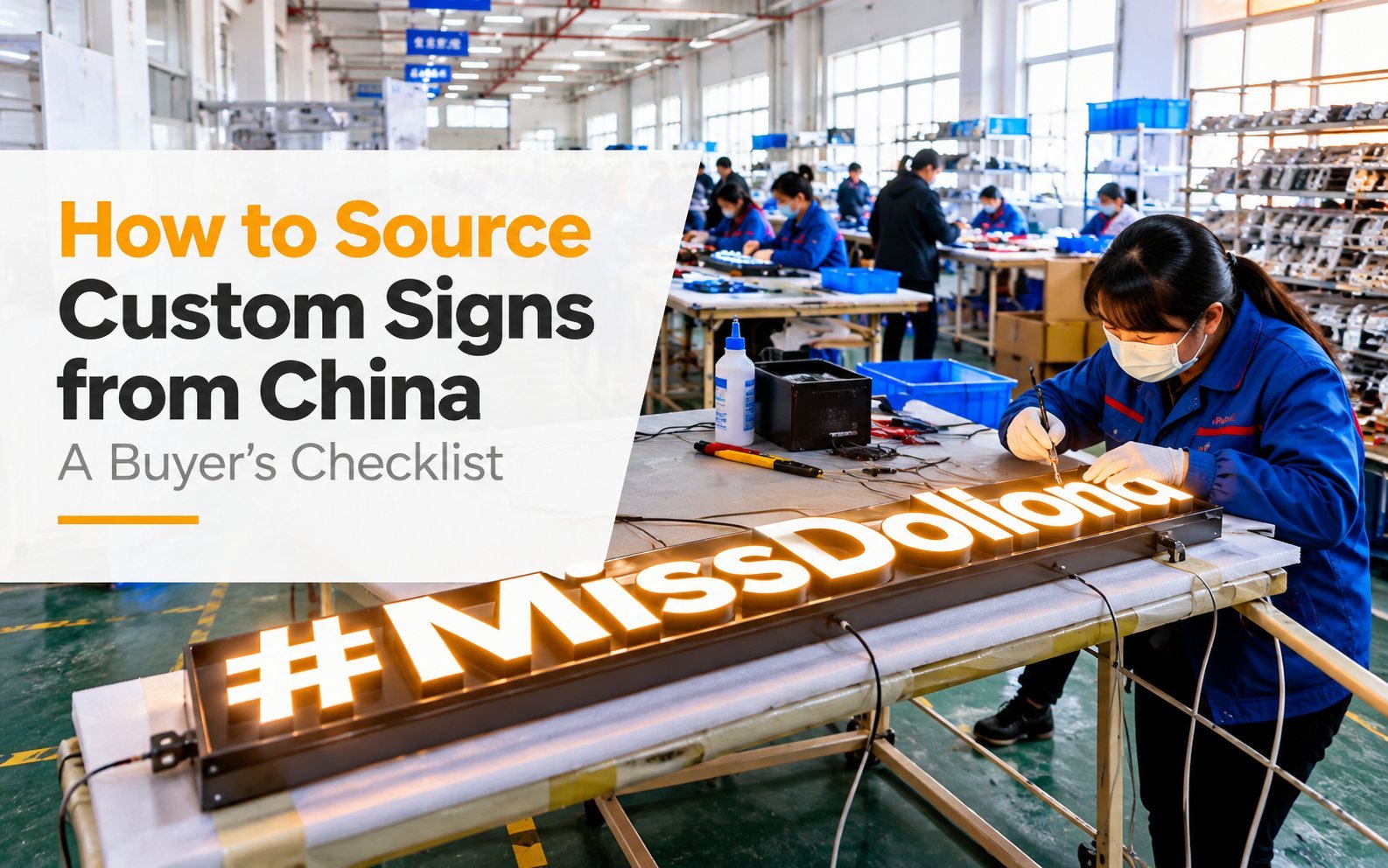
Responsible signage material selection also depends on manufacturing control. Ask which components the supplier manufactures in-house and which are purchased. Hicen cuts, bends, welds and finishes aluminum returns, back panels and acrylic faces on its own lines. The channel letter manufacturing process shows how fabrication, lighting, assembly and testing connect.
Material inspection should be followed by in-process checks, semi-finished sampling, finished-product inspection and a recheck before packing. Tolerances depend on material, thickness and geometry, so require the drawing tolerance for the exact part rather than a universal marketing number. Review the available quality and certification documentation, then confirm the report number, model, configuration, standard and validity for each claim.
For standards context, ISO’s official ISO 9001 page explains the quality-management-system standard, while UL’s Recognized Component guidance distinguishes components used inside certified products. Local permits, structural calculations, electrical listing, fire rules, accessibility requirements and landlord approval remain market- and site-specific. Your installer, engineer or local authority should confirm those obligations.
A Signage Material Selection Quote Checklist
- Exact material grade or product code, plus gauge or thickness
- Finish system, pretreatment, target film thickness and colour tolerance
- Illumination components and electrical specifications where applicable
- Mounting method, drainage, service access and packaging
- Test reports and standards tied to the approved configuration
- Warranty scope, exclusions, Incoterm, lead time and substitution procedure
Use the same fields for every supplier. A lower quotation based on a thinner sheet, indoor-grade board or unspecified coating is not a lower price for the same product.
Document the final signage material selection in the approved drawing and bill of materials so production, inspection and future replacements use the same specification.
Get a Material Recommendation for Your Sign
Send the dimensions, exposure, mounting conditions, illumination method, target life, destination and budget. Hicen can return a preliminary material and fabrication direction, finish proposal, quotation and lead-time estimate.
FAQs
What is the best material for an outdoor business sign?
There is no universal best material. Stainless steel and coated aluminum are common structural choices, while UV-stabilized acrylic can form an illuminated face. Select the grade, coating, fasteners and drainage for the actual exposure and target service life.
Is stainless steel better than aluminum for signs?
Stainless steel is heavier and offers a premium exposed-metal finish. Aluminum is lighter and easier to form into large letters. Outdoor performance depends on stainless grade and detailing or on the complete aluminum pretreatment and coating system.
Can expanded PVC board be used outside?
Some expanded PVC products are approved for exterior or extended use, but many standard grades are intended for indoor applications. Confirm the exact product code, thickness, UV stabilization, temperature range, support and written exterior-use guidance.
What information is needed for accurate signage material selection?
Provide dimensions, indoor or outdoor exposure, climate, mounting substrate, illumination, target life, maintenance access, destination requirements, quantity and budget. Include vector artwork and site photos where they affect engineering or installation.